
Table of Contents
Introduction: Why Wind Energy Matters More Than Ever in 2026
Renewable energy continues to reshape the American energy landscape, and wind power remains one of the fastest-growing sectors in the industry. In 2026, organizations across the country are investing in wind energy not only for environmental reasons, but also for long-term economic and operational advantages.
The growing popularity of wind power is driven by the many wind energy benefits it provides. From reduced energy costs to increased sustainability, wind energy has become a practical and scalable solution for businesses, utilities, and communities alike.
JMS Energy has positioned itself as a trusted leader in supporting wind energy projects through advanced infrastructure, expert engineering, and reliable project execution. By helping clients take advantage of modern renewable technologies, JMS Energy delivers solutions that maximize the value of wind energy investments.
Below are ten major wind energy benefits that JMS Energy can help bring to your organization in 2026 and beyond.
1. Reduced Long-Term Energy Costs
One of the most important wind energy benefits is the potential for long-term cost savings. Traditional energy prices can fluctuate significantly due to fuel costs and market conditions, but wind power offers greater stability.
Once infrastructure is installed, operational costs are relatively low compared to conventional energy sources. JMS Energy helps clients maximize these savings by designing efficient systems and ensuring reliable performance over time.
Through careful planning and infrastructure development, JMS Energy helps organizations reduce energy expenses while improving long-term financial predictability.
2. Greater Energy Independence
Energy independence has become a growing priority for businesses and communities. Relying heavily on traditional power sources can expose organizations to supply disruptions and market volatility.
Wind energy benefits organizations by providing a renewable, domestic source of power. By investing in wind infrastructure, companies can gain more control over their energy future.
JMS Energy supports this transition by developing systems that are designed for long-term reliability and scalable growth.
3. Reduced Environmental Impact
One of the most widely recognized wind energy benefits is the reduction of greenhouse gas emissions. Wind power generates electricity without burning fossil fuels, helping reduce air pollution and environmental impact.
JMS Energy contributes to cleaner energy production by supporting projects that align with sustainability goals and environmental regulations. Their expertise ensures that wind farms are built responsibly while maximizing energy generation potential.
4. Improved Grid Reliability
Modern electrical grids require diverse energy sources to remain stable and resilient. Wind power helps strengthen grid reliability by contributing additional generation capacity.
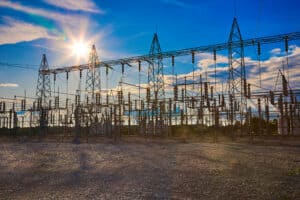
JMS Energy designs and installs electrical systems that integrate wind energy efficiently into existing grid infrastructure. This includes:
- Collection systems
- Substations
- High-voltage interconnections
Reliable integration is one of the key wind energy benefits that supports long-term energy stability.
5. Support for Economic Growth and Job Creation
Wind energy development creates jobs across multiple sectors, including construction, engineering, maintenance, and operations.
JMS Energy contributes to local and regional economies by supporting projects that create employment opportunities and stimulate investment. These projects also support infrastructure improvements that benefit surrounding communities.
Economic growth remains one of the most impactful wind energy benefits for regions investing in renewable energy development.
6. Scalability for Future Expansion
Energy demand continues to increase, making scalability a major consideration for businesses and utilities. Wind energy systems can often be expanded as operational needs grow.
JMS Energy designs wind energy infrastructure with scalability in mind by incorporating:
- Modular systems
- Expandable substations
- Flexible layouts
This approach allows organizations to continue benefiting from wind energy as demand evolves.
7. Increased Operational Efficiency Through Modern Technology
Modern wind farms rely on advanced technologies that improve efficiency and reduce downtime. Smart monitoring systems, predictive maintenance tools, and automated controls all contribute to better performance.
JMS Energy integrates these technologies into projects to ensure clients receive the full range of wind energy benefits available in 2026.
By combining infrastructure expertise with modern systems, the company helps clients improve reliability and maximize energy output.
8. Long-Term Infrastructure Reliability
Renewable energy systems are designed to operate for decades, making infrastructure quality critical. JMS Energy focuses on long-term durability in every aspect of project development.
Their work includes:
- Strong turbine foundation construction
- Reliable electrical infrastructure
- Careful material selection
These practices ensure that wind projects continue delivering value over the long term.
Reliable infrastructure is one of the most important wind energy benefits for organizations seeking sustainable growth.
9. Enhanced Sustainability and Corporate Reputation
Businesses today are increasingly expected to demonstrate environmental responsibility. Investing in renewable energy helps organizations align with sustainability goals and improve public perception.
Wind energy benefits companies by supporting:
- Corporate sustainability initiatives
- Environmental compliance goals
- Long-term ESG (Environmental, Social, and Governance) strategies
JMS Energy helps organizations achieve these goals through professionally executed renewable energy projects.
10. Access to Renewable Energy Expertise
Perhaps one of the most overlooked wind energy benefits is access to experienced professionals who can guide projects from concept to completion.
JMS Energy provides expertise in:
- Site preparation and civil construction
- Electrical infrastructure development
- Grid integration
- Project management and coordination
This comprehensive support helps clients avoid costly delays and ensures projects are built for long-term success.
Why JMS Energy Stands Out in Wind Energy Development
JMS Energy has earned a reputation for reliability because of its ability to combine engineering expertise with disciplined execution.
Clients benefit from:
- Integrated infrastructure solutions
- Strong safety and compliance standards
- Structured project management
- Long-term performance planning
These qualities make JMS Energy a trusted partner for organizations seeking to maximize wind energy benefits.
The Future of Wind Energy in America
The wind energy industry is expected to continue growing rapidly over the next decade. Technological advancements, expanding grid infrastructure, and increasing demand for renewable energy will further strengthen the role of wind power in America’s energy future.
Future developments may include:
- More efficient turbines
- Improved energy storage systems
- Smarter grid integration technologies
JMS Energy remains committed to staying ahead of these trends and helping clients benefit from future innovations.
How Wind Energy Benefits Businesses Specifically
Businesses investing in wind power can experience several direct operational advantages, including:
- Reduced utility expenses
- Greater energy cost predictability
- Improved sustainability metrics
- Increased operational resilience
By supporting renewable energy infrastructure, JMS Energy helps organizations achieve both financial and strategic goals.
Frequently Asked Questions (FAQs)
1. What are wind energy benefits?
Wind energy benefits include reduced energy costs, lower environmental impact, improved energy independence, and long-term sustainability.
2. How does JMS Energy support wind energy projects?
JMS Energy provides infrastructure development, electrical integration, and project management services.
3. Why is grid integration important?
It ensures that wind-generated electricity can be delivered efficiently and reliably to consumers.
4. Can wind farms expand over time?
Yes, many systems are designed to scale with future energy demand.
5. How long do wind energy systems typically last?
Most modern wind systems are designed to operate efficiently for decades with proper maintenance.
6. Why choose JMS Energy for renewable energy projects?
Because of their expertise, reliability, and commitment to long-term performance.
Conclusion: Unlocking the Full Potential of Wind Energy

The renewable energy transition is accelerating, and wind power continues to offer significant opportunities for businesses and communities alike. From lower energy costs to increased sustainability, the long-term wind energy benefits are clear.
JMS Energy helps clients unlock these advantages through expert engineering, reliable infrastructure, and disciplined project execution. Their commitment to quality and innovation ensures that every project is positioned for long-term success.
As the renewable energy industry continues to evolve in 2026 and beyond, JMS Energy remains a trusted partner for organizations seeking to maximize the value of wind energy investments.
Ready to see those benefits for yourself? Start by contacting JMS Energy here.