Table of Contents
Introduction: A Strong Year for Solar Growth
The renewable energy industry has entered 2026 with strong momentum, and solar power continues to lead that expansion. Across the United States, developers and utilities are accelerating installation timelines and increasing capacity faster than many analysts expected.
Early-year data shows that solar projection estimates are being exceeded in multiple regions, especially as projects move quickly from planning into execution. This trend reflects both technological progress and growing demand for clean energy.
JMS Energy plays a key role in supporting this growth by ensuring that solar systems are built efficiently, integrated properly, and designed for long-term success.
Understanding Solar Projection in Today’s Market
Solar projection refers to the expected growth and performance of solar energy systems over time. These forecasts help guide investment decisions, infrastructure planning, and energy policy.
Several factors influence solar projection trends, including:
- Advances in solar panel efficiency
- Market demand for renewable energy
- Government incentives and policies
- Availability of land and infrastructure
- Grid capacity and interconnection readiness
In 2026, these factors have aligned to create stronger-than-expected growth patterns, particularly through the second quarter.
Why Solar Growth Is Accelerating
1. More Efficient Solar Technology
Modern solar panels are producing higher output than ever before. Improved efficiency means more energy generation from the same installation footprint.
These gains directly impact solar projection forecasts, allowing developers to expect higher returns and better system performance.
2. Rising Demand for Renewable Energy
Businesses and industries are prioritizing sustainability more than ever. Companies are investing in solar to reduce emissions and stabilize long-term energy costs.
This shift continues to push solar projection trends upward across commercial and utility sectors.
3. Supportive Policies and Incentives
Government incentives have made solar development more accessible. Tax benefits and funding programs help reduce initial costs and accelerate project timelines.
As a result, solar projection estimates continue to climb, reflecting increased investment and broader adoption.
4. Expansion of Utility-Scale Projects
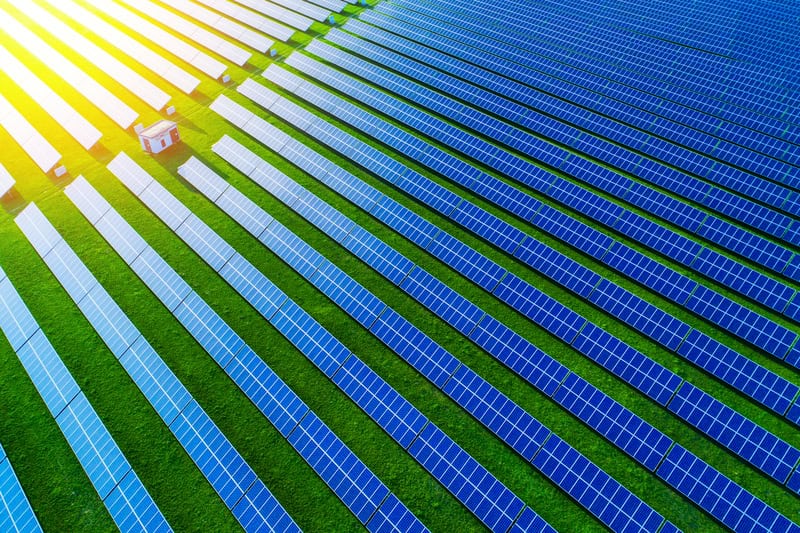
Large solar farms contribute significantly to national capacity. These projects have a major influence on solar projection data due to their size and efficiency.
JMS Energy supports these developments with infrastructure and electrical expertise that ensures reliable performance.
JMS Energy’s Role in Meeting Solar Projection Expectations
As solar projection figures rise, execution becomes critical. JMS Energy helps ensure that projects meet or exceed expectations through structured engineering and construction practices.
Comprehensive Site Preparation
Every successful solar project begins with proper site development. JMS Energy handles grading, layout design, and structural preparation to support efficient installation.
Advanced Electrical Infrastructure
Solar systems depend on strong electrical networks. JMS Energy designs and installs:
- Collection systems
- Transformers
- Substations
- Interconnection equipment
These components ensure that systems perform in line with solar projection targets.
Seamless Grid Integration
Grid integration is one of the most complex aspects of solar development. JMS Energy works closely with utilities to ensure compliance and reliability.
Proper integration allows projected energy output to be delivered consistently, supporting overall system performance.
Second Quadrant Growth: Key Observations
The second quarter of 2026 has shown notable increases in solar deployment. Industry trends include:
- Faster installation timelines
- Increased investment in large-scale projects
- Broader adoption across industries
- Higher-than-expected energy output
These trends reinforce confidence in solar projection forecasts and suggest continued growth through the remainder of the year.
Challenges That Influence Solar Projection Trends
While growth remains strong, several challenges can impact solar projection outcomes:
Supply Chain Coordination
Material availability and logistics can affect project timelines. Careful planning helps minimize delays.
Grid Capacity Limitations
As more solar systems come online, grid infrastructure must expand. JMS Energy’s expertise helps address these challenges through reliable electrical solutions.
Environmental and Site Considerations
Land use, permitting, and weather conditions can influence project timelines and performance expectations.
Designing for Scalable Solar Growth
Scalability is essential for maintaining upward solar projection trends. JMS Energy designs systems that can expand as energy needs increase.
This includes:
- Modular infrastructure components
- Expandable substations
- Flexible system layouts
These features ensure that solar projects remain adaptable and future-ready.
Long-Term Impact of Solar Growth
The continued rise in solar projection data reflects broader changes in the energy landscape. Long-term benefits include:
- Increased energy independence
- Reduced reliance on traditional fuels
- Lower long-term energy costs
- Improved environmental outcomes
These advantages make solar energy an increasingly important part of national infrastructure.
Why Businesses Are Investing in Solar
Organizations across industries are adopting solar energy for both financial and environmental reasons. Key benefits include:
- Predictable energy costs
- Reduced carbon footprint
- Alignment with sustainability goals
- Improved operational resilience
As adoption grows, solar projection trends are expected to remain strong.
What Sets JMS Energy Apart
JMS Energy distinguishes itself by turning projections into performance. While solar projection data provides direction, successful implementation requires expertise.
Key strengths include:
- Integrated engineering and construction services
- Strong safety and compliance standards
- Proven experience with large-scale projects
- Reliable project execution
These capabilities ensure that projected outcomes become real-world results.
Looking Ahead: The Future of Solar in 2026 and Beyond
The second half of 2026 is expected to continue the upward trend in solar development. Emerging technologies such as energy storage and smart grid systems will further enhance system performance.
As solar projection forecasts continue to evolve, companies like JMS Energy will remain essential in supporting reliable and efficient growth.
Frequently Asked Questions (FAQs)
1. What is solar projection?
It refers to estimates of future solar energy growth, including capacity and output.
2. Why are solar projections increasing in 2026?
Because of improved technology, higher demand, and supportive policies.
3. How does JMS Energy support solar development?
Through site preparation, electrical infrastructure, and grid integration.
4. What challenges affect solar projection accuracy?
Supply chain issues, grid capacity, and environmental factors.
5. Can solar systems expand over time?
Yes, many systems are designed to scale with demand.
6. Why is infrastructure important for solar growth?
It ensures that generated energy can be delivered efficiently and reliably.
Conclusion: Strong Growth Backed by Reliable Execution
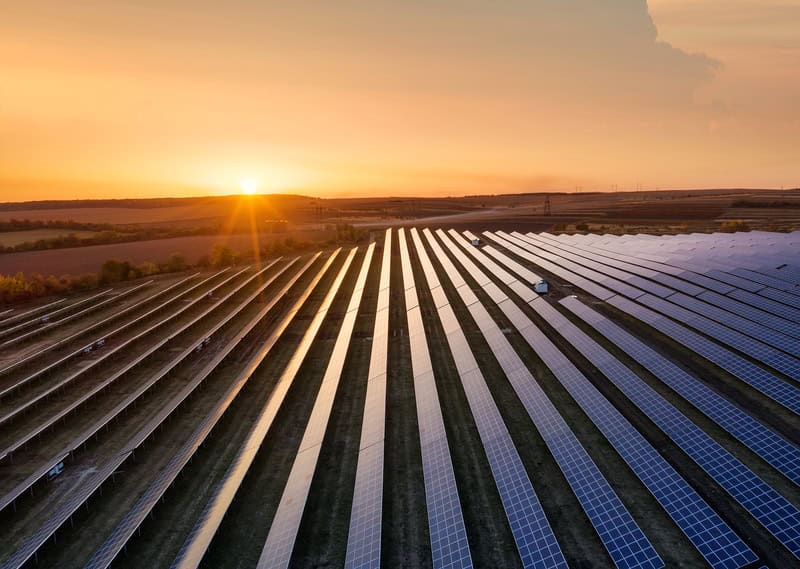
The first half of 2026 has demonstrated that solar energy growth is accelerating beyond expectations. Rising solar projection figures highlight the increasing importance of renewable energy in the national power landscape.
JMS Energy continues to support this expansion by delivering the infrastructure and expertise needed to turn forecasts into reality. As the year progresses, the outlook remains strong, with solar projection trends pointing toward sustained growth and long-term success.
Want to take advantage of those rising prospects? Contact JMS Energy here.