Table of Contents
Introduction: A Simpler Path to Renewable Energy
Solar energy has become one of the most practical ways for businesses, utilities, developers, and communities to invest in a cleaner and more resilient energy future. Better technology, improved electrical systems, experienced construction teams, and smarter project planning have made solar development more approachable than it was just a few years ago.
Even so, the decision to switch to solar can feel overwhelming at first. A successful project may involve land evaluation, civil construction, electrical collection systems, substations, utility coordination, safety planning, and long-term performance considerations. Without the right partner, those responsibilities can quickly become difficult to manage.
JMS Energy helps simplify the process.
With experience supporting renewable energy infrastructure, JMS Energy brings together the planning, construction, electrical knowledge, and project coordination needed to move solar developments forward. Instead of leaving clients to manage disconnected contractors and technical requirements on their own, the company supports the systems that allow solar projects to operate safely and reliably.
For organizations ready to switch to solar, that coordinated approach can make the entire experience clearer, more efficient, and far less stressful.
Why Solar Is More Accessible Today
Solar power has changed significantly over the past decade. Modern systems generate more electricity, use land more efficiently, and can be connected to sophisticated monitoring and battery storage technologies.
Several developments have made renewable energy projects easier to pursue:
- Higher-efficiency photovoltaic equipment
- Better project design tools
- Improved electrical components
- More advanced monitoring systems
- Greater experience among renewable contractors
- Scalable infrastructure for future growth
These improvements mean organizations can approach solar with more confidence. However, technology alone doesn’t guarantee success. The value of a solar investment still depends on how well the site is prepared, how carefully the electrical system is installed, and how efficiently the project is managed.
That is why an experienced renewable energy partner remains essential.
What the Switch to Solar Really Involves
Many people think solar development begins and ends with installing panels. In reality, the visible panels are only one part of a much larger system.
A utility-scale or commercial solar facility may require:
- Land clearing and grading
- Roads and access routes
- Drainage and erosion control
- Structural supports
- Underground electrical networks
- Transformers and switchgear
- Substations
- Grid interconnections
- Monitoring and communications systems
Making the switch to solar therefore involves a combination of construction, engineering, electrical work, and project management.
JMS Energy understands how these pieces connect. That broader perspective allows the company to support renewable projects as complete operating systems rather than isolated construction tasks.
1. Clear Planning from the Beginning
Every successful solar project begins with a well-defined plan.
Before construction starts, project owners must understand:
- The intended energy capacity
- Available land
- Electrical access
- Construction timing
- Budget expectations
- Long-term expansion goals
JMS Energy helps organize these priorities early. Clear planning allows teams to identify potential problems before they affect schedules or costs.
For companies preparing to switch to solar, this early structure provides confidence. Instead of reacting to issues after construction begins, the project can move forward with a practical roadmap.
Good planning also improves communication. Developers, contractors, utilities, suppliers, and inspectors can work toward the same goals when expectations are clearly established from the beginning.
2. Professional Site Evaluation
Not every property is equally suited for solar development.
A thorough site evaluation may consider:
- Terrain
- Soil conditions
- Drainage
- Flood risk
- Construction access
- Utility proximity
- Environmental limitations
- Future maintenance needs
These factors directly influence project cost and long-term performance.
For example, poor drainage can damage access roads or create erosion problems. Difficult terrain may increase grading requirements. Limited utility access can complicate electrical interconnection.
JMS Energy helps project teams account for these conditions early. That practical approach reduces uncertainty and creates a stronger foundation for organizations planning to switch to solar.
3. Reliable Site Preparation
Once a location has been selected, the site must be made ready for construction.
This process can include:
- Clearing
- Excavation
- Grading
- Road construction
- Drainage installation
- Erosion control
- Foundation preparation
Proper site work is essential because the quality of early construction affects every phase that follows.
A level, stable, and well-drained site improves equipment installation and long-term access. It also helps protect infrastructure from weather and soil movement.
JMS Energy’s experience with renewable construction allows clients to approach this phase with a clear understanding of what the project needs. For any organization planning to switch to solar, dependable site preparation is one of the most important steps.
4. Strong Electrical Infrastructure
Solar panels generate electricity, but electrical infrastructure determines whether that power can be used effectively.
A complete system may include:
- Direct-current cabling
- Alternating-current collection networks
- Inverters
- Transformers
- Switchgear
- Substations
- Transmission connections
Each component must be installed carefully and coordinated with the wider design.
Electrical problems can reduce output, delay operation, increase maintenance costs, or create safety concerns. That is why strong electrical expertise is so valuable.
JMS Energy supports the infrastructure that collects, transforms, and delivers renewable electricity. This capability makes the switch to solar easier by giving clients access to a partner that understands the critical systems behind the panels.
5. Better Utility Coordination
A solar project cannot begin delivering power until it is properly connected to the utility grid.
Grid interconnection may involve:
- Technical applications
- Utility engineering reviews
- Equipment specifications
- Testing
- Compliance checks
- Final approvals
This process can become a major source of delay when planning begins too late or responsibilities are unclear.
JMS Energy’s experience with substations, electrical systems, and utility infrastructure helps support smoother coordination. While each project has different requirements, early communication and organized planning can reduce unnecessary surprises.
For businesses preparing to switch to solar, understanding grid requirements from the beginning is far more efficient than addressing them near the end of construction.
6. Organized Project Management
Solar developments involve many moving parts.
A typical project may include:
- Engineers
- Civil contractors
- Electrical crews
- Equipment suppliers
- Utility representatives
- Inspectors
- Project owners
Without structured management, schedules can slip and communication can break down.
JMS Energy uses organized project planning to coordinate resources, track milestones, and maintain progress. Strong management helps ensure materials arrive when needed, crews understand their responsibilities, and decisions are made without unnecessary delay.
This organization is one of the biggest advantages available to organizations making the switch to solar. A well-managed project feels far more predictable than one in which every contractor operates independently.
7. A Safety-First Construction Process
Solar construction may involve large machinery, underground utilities, electrical systems, lifting equipment, and extensive outdoor work.
Safety must be considered throughout the project.
A strong safety program typically includes:
- Worker training
- Hazard identification
- Equipment inspections
- Clear work procedures
- Job-site communication
- Regulatory compliance
JMS Energy places importance on organized and responsible project execution. A safe work environment protects employees while also supporting productivity and quality.
For clients, this means fewer preventable disruptions and greater confidence throughout construction.
The decision to switch to solar should create long-term value, not unnecessary risk. A professional safety culture helps support that goal.
8. Scalable Solar Infrastructure
Energy needs rarely remain the same forever.
A company may begin with one solar phase and later decide to add:
- More generating capacity
- Battery energy storage
- Expanded substations
- Additional transmission equipment
- New monitoring technology
Planning for those possibilities early can save time and money later.
JMS Energy supports infrastructure designed with future expansion in mind when project conditions allow. Flexible layouts, accessible electrical systems, and expandable equipment can make later growth easier.
For organizations planning to switch to solar, scalability protects the original investment. Instead of rebuilding major systems, clients may be able to expand from a stronger existing foundation.
9. Long-Term Performance Planning
A solar facility is expected to operate for decades.
That means project planning should consider more than construction completion. Long-term performance depends on:
- Durable materials
- Reliable electrical installation
- Maintenance access
- Drainage
- Monitoring systems
- Upgrade flexibility
JMS Energy’s infrastructure-focused approach helps support dependable operation after the project is complete.
For example, carefully planned roads and equipment access can simplify repairs. Organized cabling can make troubleshooting easier. Proper site drainage can reduce recurring maintenance concerns.
Making the switch to solar is not just about reaching the first day of operation. It is about building an energy asset capable of delivering value year after year.
10. Experienced Renewable Energy Support
The right partner can make a complex project feel manageable.
JMS Energy brings together experience in renewable construction, electrical infrastructure, civil work, substations, and project coordination. This combination allows clients to work with a team that understands both the visible and behind-the-scenes parts of solar development.
Experienced professionals can help clients:
- Identify challenges early
- Build realistic schedules
- Coordinate project phases
- Maintain safety expectations
- Prepare for future growth
- Support long-term performance
For organizations ready to switch to solar, this practical knowledge can reduce stress and improve confidence throughout the project.
Common Benefits of Going Solar
The benefits of solar depend on the size, location, structure, and goals of each project. Still, many organizations pursue solar for several common reasons.
More Predictable Energy Planning
Solar can support greater control over long-term energy strategy and reduce exposure to certain market changes.
Sustainability Progress
Renewable generation can support environmental goals and corporate responsibility programs.
Scalable Infrastructure
Solar facilities can often be designed to support future expansion or battery storage.
Long-Term Asset Value
A properly constructed project can produce electricity for many years, creating lasting operational value.
Support for Energy Resilience
When combined with suitable infrastructure and storage, solar may strengthen broader energy planning.
These benefits help explain why more organizations are exploring the decision to switch to solar.
Why JMS Energy Makes the Process Easier
Solar development is easier when a capable partner understands how project phases affect one another.
JMS Energy offers value through:
- Renewable energy experience
- Civil construction capabilities
- Electrical infrastructure knowledge
- Substation experience
- Project management
- Safety-focused execution
- Long-term planning
Rather than treating solar development as a simple equipment installation, the company supports the infrastructure necessary for reliable generation and delivery.
That complete approach allows clients to focus on project goals while JMS Energy helps manage many of the practical construction and coordination challenges.
Frequently Asked Questions
1. What does it mean to switch to solar?
To switch to solar means adopting photovoltaic energy generation as part of an organization’s power strategy. The process may include site development, electrical infrastructure, utility coordination, panel installation, and long-term system planning.
2. Is switching to solar complicated?
Solar development can be complex, especially for large commercial or utility projects. However, experienced planning and construction partners can simplify the process by coordinating site work, electrical systems, schedules, and utility requirements.
3. What services can JMS Energy provide?
JMS Energy supports renewable projects through civil construction, site preparation, electrical infrastructure, substations, grid interconnection, and project coordination.
4. Why is site preparation important?
Site preparation creates stable, accessible, and properly drained conditions for solar equipment and supporting infrastructure. Poor preparation can lead to delays and long-term maintenance problems.
5. Can a solar project be expanded later?
Yes. Many facilities can be designed with future growth in mind. Expansion may include additional panels, battery storage, larger substations, or added transmission capacity.
6. Why choose JMS Energy when making the switch to solar?
JMS Energy combines renewable energy experience with electrical, civil, and project management capabilities. This coordinated expertise helps clients manage complex projects more efficiently.
Conclusion: A More Confident Way to Go Solar
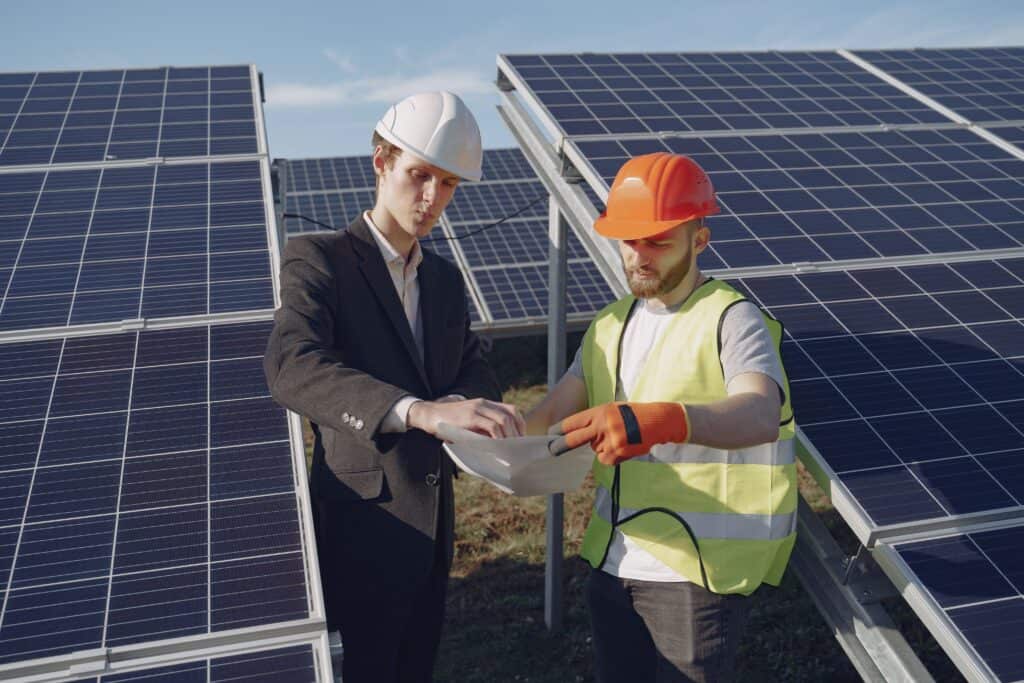
The decision to switch to solar is an important investment in long-term energy planning. While the process includes many technical and construction requirements, it does not have to feel overwhelming.
With the right partner, organizations can move through site evaluation, civil work, electrical installation, utility coordination, and project completion with greater clarity and confidence.
JMS Energy helps make that possible.
Through renewable energy experience, strong infrastructure capabilities, disciplined project management, and a commitment to safe execution, the company supports solar projects from the ground up. Its focus on reliability and long-term performance helps ensure that clients are not simply installing equipment—they are building renewable energy assets prepared to deliver value for years.
For businesses, developers, utilities, and communities ready to switch to solar, JMS Energy provides a practical and dependable path forward.
Interested in making the switch? Start by clicking here to get in contact with JMS Energy today.