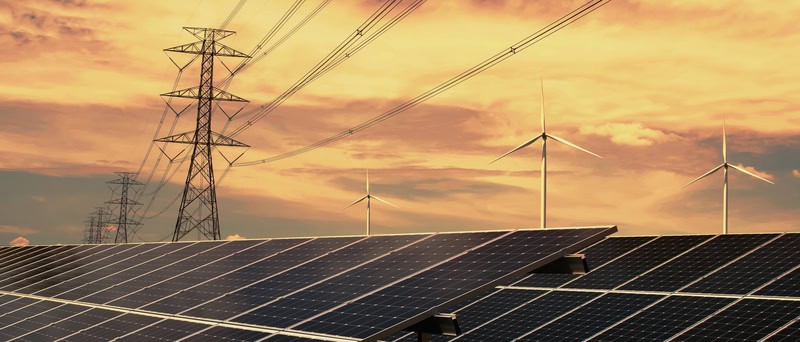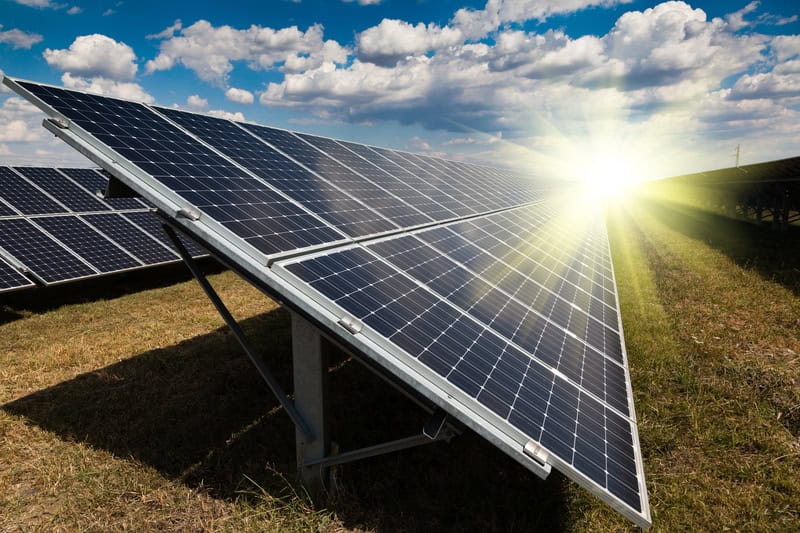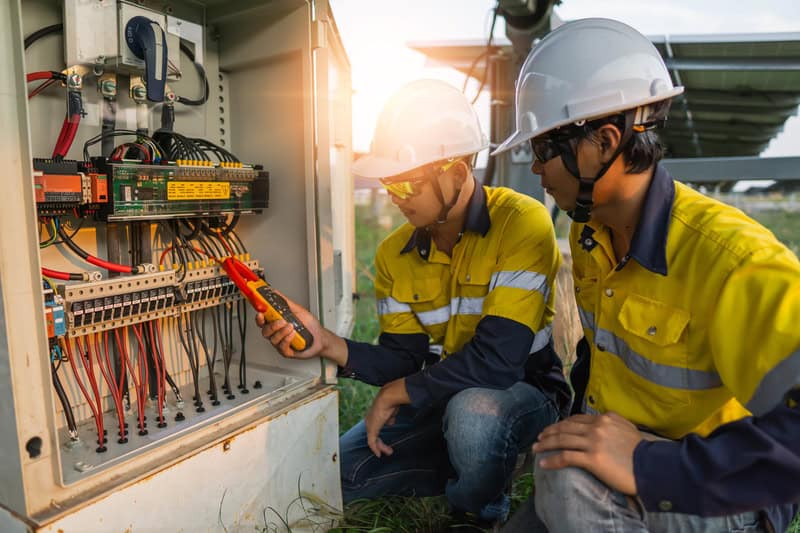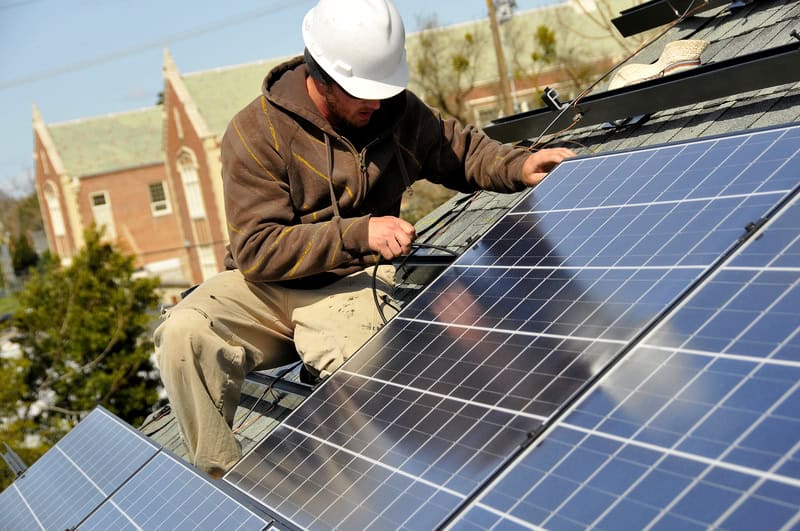
Your Great Role in the Future of Solar

The world is entering a new era of energy innovation, and solar stands at its center. From powering homes and businesses to driving clean energy revolutions across the globe, solar energy has become more than just an alternative—it’s the cornerstone of a sustainable future.

But this transformation doesn’t happen on its own. Each of us plays a vital part in shaping the future of solar, from the choices we make at home to the energy investments businesses pursue.


Understanding the Future of Solar Energy

What Defines the Future of Solar?

The future of solar is defined by progress in technology, accessibility, and sustainability. It’s about integrating solar into every part of modern life—homes, vehicles, cities, and even the grid itself.

The Role of Technology and Innovation

Advances in materials, energy storage, and artificial intelligence are accelerating the solar advance. Smarter, thinner, and more efficient solar panels are making renewable energy both powerful and practical.

How Solar Energy Fits into the Global Renewable Transition

As nations aim for net-zero emissions, solar is leading the charge. The future will see countries achieving independence from fossil fuels while ensuring cleaner air and economic stability.


Why the Future of Solar Is Brighter Than Ever

Declining Costs and Rising Efficiency

The cost of solar panels has dropped by more than 80% in the past decade. Combined with efficiency improvements, this makes solar more affordable than ever for homeowners and businesses alike.

Government Incentives and Global Policies

Tax credits, rebates, and green energy policies worldwide are making it easier for people to embrace solar. These efforts are laying the groundwork for a stronger future of solar economy.

The Growing Demand for Sustainable Power

Consumers are demanding cleaner energy options, and solar power provides exactly that. Every installation brings us closer to a world built on renewable energy.


Your Role in the Future of Solar

Homeowners: Becoming Energy Producers

Homeowners are at the forefront of the future of solar. By installing rooftop systems, you not only lower your energy bills but also contribute clean power to your local grid.

Businesses: Leading the Renewable Revolution

Forward-thinking businesses are investing in solar to cut costs and showcase environmental responsibility. This leadership accelerates innovation and helps drive down costs for everyone.

Communities: Building Local Solar Networks

Community solar projects make renewable energy accessible to those who can’t install panels individually. Participating in or supporting these initiatives helps power entire neighborhoods sustainably.


Key Innovations Shaping the Future of Solar

Perovskite Solar Cells and Next-Gen Efficiency

Perovskite technology is revolutionizing the future of solar by increasing power output and reducing production costs. These next-generation cells promise higher efficiency than traditional silicon models.

Smart Grids and Energy Storage Integration

Smart grids and battery systems are enabling solar energy to be stored and distributed more effectively. This innovation ensures consistent power supply, even at night.

Transparent and Flexible Solar Panels

Imagine windows that generate electricity or panels that can be rolled up like fabric. These innovations will soon define the future of solar, making energy generation possible almost anywhere.


Environmental and Economic Benefits of the Future of Solar

Reducing Carbon Footprints and Emissions

Solar energy emits zero greenhouse gases during operation. Solar Power will significantly lower global carbon emissions, helping combat climate change.

Creating Jobs and Strengthening Economies

The solar industry is one of the fastest-growing job markets worldwide. Supporting the future of solar means supporting local economies and creating millions of green jobs.

Lowering Energy Costs for Everyone

As adoption increases, the cost of solar power continues to drop, making renewable energy accessible to households across all income levels.


Solar Challenges to Overcome

Grid Limitations and Storage Capacity

One of the main challenges for the future of solar is energy storage. However, battery technologies are improving rapidly, paving the way for uninterrupted renewable power.

Policy and Investment Gaps

Supportive legislation and funding are essential to fully realize the future of solar. Continued investment ensures that innovation doesn’t slow down.

Public Awareness and Education Needs

Widespread understanding of solar’s benefits remains key. Educating communities empowers them to take part in the global energy transition.


How JMS Energy Is Powering the Future of Solar

Innovation in Installation and Efficiency

At JMS Energy, we stay at the forefront of technological advancements, using the latest systems to make solar energy efficient and affordable.

Helping Businesses Transition to Solar Power

We partner with companies to reduce operational costs, increase sustainability, and secure long-term energy independence—supporting the future of solar for commerce.

Supporting Residential Solar Adoption

JMS Energy helps homeowners embrace renewable energy by providing tailored solar solutions designed for performance, reliability, and savings.


How You Can Contribute to the Future of Solar

Invest in Solar Energy Today

Every solar installation strengthens the grid and reduces emissions. Your investment supports innovation and long-term sustainability.

Advocate for Renewable Energy Policies

Support policies that promote clean energy adoption. Advocacy ensures a stable foundation for the future of solar.

Support Sustainable Companies and Initiatives

Choosing to work with or buy from green companies encourages the expansion of clean energy industries worldwide.


FAQs on the Future of Solar

Q1: Why is solar energy considered the future of power?
A1: Solar is renewable, abundant, and increasingly affordable, making it the most practical long-term energy solution.

Q2: How can individuals support solar power?
A2: By installing panels, joining community solar projects, or supporting clean energy policies.

Q3: What new technologies are shaping solar power?
A3: Perovskite cells, transparent panels, and advanced storage systems are transforming the industry.

Q4: Is solar energy reliable for homes and businesses?
A4: Yes, with modern storage systems, solar energy provides reliable, round-the-clock power.

Q5: How does investing in solar help the economy?
A5: It creates jobs, reduces energy imports, and lowers costs for consumers and businesses.

Q6: What role does JMS Energy play in the future of solar?
A6: JMS Energy provides innovative solar solutions that empower homes and businesses to transition to clean energy efficiently.


Conclusion: Building a Brighter Tomorrow Together

Future of Solar

The future of solar isn’t just about technology—it’s about people. It’s about homeowners taking charge of their energy use, businesses leading sustainability efforts, and communities uniting for a cleaner tomorrow.

At JMS Energy, we believe everyone has a role to play in shaping the future. Together, we can power a world that’s efficient, affordable, and sustainable—for generations to come.

Want to be a part of the future, today? Contact JMS Energy here.

The Great Things Contributing to the Solar Infrastructure Could Do for You in 2025

As renewable energy takes center stage in the global transition away from fossil fuels, solar power has emerged as one of the most promising solutions. Contributing to this infrastructure isn’t just about supporting sustainability—it’s about securing financial, environmental, and social benefits for individuals and communities alike.

Whether you’re a homeowner, a business owner, or simply someone passionate about clean energy, your investment in solar infrastructure can bring tangible rewards.


Understanding Solar Infrastructure

What Is Solar Infrastructure?

Solar infrastructure refers to the complete system that supports solar energy production and distribution. It includes solar panels, inverters, energy storage systems, and the networks that connect clean power to homes, businesses, and the grid.

Key Components: Panels, Storage, and Grids

  • Solar panels convert sunlight into electricity.
  • Storage systems ensure energy is available even at night.
  • Grids and inverters distribute and balance power across communities.

How Solar Powers Communities

By expanding solar, communities gain access to clean, reliable, and cost-effective energy while reducing dependence on fossil fuels.


Personal Benefits of Supporting Solar

Lowering Energy Bills for Homeowners

One of the clearest benefits of contributing to solar growth is reduced electricity costs. Homeowners who install solar panels can cut monthly utility bills significantly.

Boosting Property Value Through Solar Investments

Properties with solar installations consistently sell faster and at higher values, proving that solar infrastructure is both an energy and financial asset.

Tax Incentives and Financial Rewards

Federal and state governments offer tax credits, rebates, and financing programs, making it easier for households to adopt solar.


Environmental Impact of Solar

Reducing Carbon Footprints

Solar power emits zero greenhouse gases during operation. By contributing to solar infrastructure, individuals and businesses directly reduce their carbon footprint.

Preserving Natural Resources

Unlike fossil fuels, solar energy doesn’t require drilling or mining. Supporting solar helps protect ecosystems and conserve vital natural resources.

Creating Sustainable Communities

Solar infrastructure fosters local resilience, reducing reliance on external energy supplies and paving the way for eco-friendly neighborhoods.


Economic Advantages of Contributing to Solar Infrastructure

Job Creation and Local Economic Growth

Investments in solar create thousands of jobs in manufacturing, installation, and maintenance, fueling economic development.

Energy Independence and Security

Communities with robust solar infrastructure rely less on imported energy, strengthening national energy independence.

Reducing Reliance on Fossil Fuels

Every contribution to solar reduces global dependence on coal, oil, and gas—resources that are costly and environmentally damaging.


How Businesses Benefit from Solar Infrastructure

Cutting Operational Costs

Solar reduces electricity bills, giving companies more control over operational expenses.

Enhancing Brand Reputation with Sustainability

Consumers increasingly support brands committed to sustainability. Businesses that contribute to solar infrastructure gain a competitive advantage.

Long-Term ROI from Solar Integration

While the upfront cost can be significant, solar pays for itself through long-term savings, government incentives, and reduced reliance on fluctuating energy markets.


Overcoming Challenges in Expanding Solar Infrastructure

Addressing Upfront Costs and Financing Options

Leasing, power purchase agreements (PPAs), and low-interest loans are making solar more accessible than ever.

Improving Grid Modernization and Energy Storage

Smart grids and advanced batteries are solving issues of intermittent energy production, ensuring reliability.

Overcoming Policy and Regulatory Barriers

Governments and organizations are working to streamline regulations, making it easier to scale solar infrastructure.


Future Outlook: What Your Contribution Means Beyond 2025

Smart Grids and AI Integration

The next decade will see smart solar systems powered by AI, capable of predicting energy use and optimizing storage.

Global Renewable Energy Goals

By contributing today, individuals and businesses play a role in achieving international targets for renewable energy adoption and carbon neutrality.


FAQs on Solar Infrastructure

Q1: What is solar infrastructure?
A1: Solar infrastructure includes the systems, storage, and grids that generate and distribute solar energy.

Q2: How does contributing to solar benefit me financially?
A2: You can lower energy bills, receive tax incentives, and increase property value.

Q3: Is solar reliable?
A3: Yes. With modern storage solutions and smart grids, solar is highly reliable.

Q4: How do businesses benefit from solar?
A4: Businesses save money, strengthen brand reputation, and secure long-term returns.

Q5: What role does solar play in sustainability?
A5: It reduces carbon emissions, preserves natural resources, and supports eco-friendly communities.

Q6: Can I contribute to solar without installing panels?
A6: Yes, through community solar projects or green energy investment programs.


Conclusion: Why Your Role in Solar Infrastructure Matters

solar infrastructure

Contributing to solar infrastructure is more than an environmental gesture—it’s an investment in your financial security, property value, and the future of clean energy. Whether you’re a homeowner saving on bills, a business cutting costs, or an advocate for sustainability, your role matters.

At JMS Energy, we believe that every contribution makes a difference. Together, we can build a stronger, cleaner, and more sustainable energy future.

Want to start today? You can contact JMS Energy here.

There Has Never Been a Better Time to Invest in Solar Than 2025

Introduction: Why 2025 Is the Year to Invest in Solar

If you’ve ever thought about making the leap into renewable energy, now is the perfect moment. With record-breaking advancements, financial incentives, and growing awareness about climate change, there has never been a better time to invest in solar than in 2025. Whether you’re a homeowner looking to cut energy bills or a business seeking sustainable solutions, solar power is proving to be one of the smartest investments available today.


The Global Push Toward Renewable Energy

Climate Change and Energy Transition

The urgency of climate change is pushing the world toward renewable energy solutions. As fossil fuels become less sustainable, governments and corporations alike are encouraging people to invest in solar for a cleaner future.

Government Incentives and Tax Benefits

In 2025, federal and state governments continue to offer rebates, tax credits, and financing programs. These incentives reduce upfront costs and make it easier for more families to invest in solar without breaking the bank.

Corporate and Residential Adoption

More corporations are committing to net-zero goals, and homeowners are realizing the long-term benefits. This momentum is fueling a widespread solar movement at every level of society.


Economic Reasons to Invest in Solar in 2025

Declining Solar Panel Costs

Over the last decade, solar panel prices have dropped dramatically. Thanks to technological advancements and mass adoption, the cost of solar has reached an all-time low, making 2025 the best year yet to invest in solar.

Increased Efficiency and Longevity

Modern panels are more efficient and durable, delivering higher returns. A typical system installed today can last 25–30 years, providing decades of clean energy.

Rising Utility Costs and Energy Independence

With electricity prices soaring, switching to solar provides financial relief. By choosing to invest in solar, homeowners and businesses gain independence from volatile energy markets.


Technological Breakthroughs Driving Solar Investments

Perovskite and Tandem Solar Cells

Perovskite technology is making solar panels more efficient than ever before. Tandem designs, combining perovskite with traditional silicon, are boosting energy output, making investing even more rewarding.

Smart Solar and Energy Storage Integration

Pairing solar panels with home batteries allows 24/7 energy access. This breakthrough enables homeowners to store excess energy, strengthening the case to invest.

Floating and Transparent Solar Panels

Floating solar farms maximize space, while transparent panels integrate seamlessly into windows and buildings—expanding the potential for anyone looking to invest.


The Financial Benefits When You Invest in Solar

Return on Investment for Homeowners

The average homeowner recoups their solar investment in 6–8 years. After that, energy savings are pure profit, making solar power financially wise.

Solar for Businesses: Long-Term Savings

For businesses, solar reduces operating costs and enhances brand reputation. Companies that adopt solar also gain a competitive advantage by aligning with sustainability goals.

Boosting Property Value

Homes with solar panels consistently sell faster and at higher values. When you invest in solar, you’re not just saving on bills—you’re increasing your property’s worth.


Environmental and Social Impact of Investing in Solar

Reducing Carbon Footprints

Each solar installation helps cut carbon emissions significantly. When you invest in solar, you’re actively contributing to a healthier planet.

Supporting Sustainable Communities

Solar adoption strengthens local economies and creates jobs. Choosing to invest in solar supports a growing industry that benefits everyone.


Barriers to Investing in Solar and How to Overcome Them

Upfront Costs and Financing Options

While initial installation costs may seem high, financing programs and leasing options make it easy to invest in solar without large upfront payments.

Maintenance and Reliability Concerns

Modern solar panels require minimal maintenance. With warranties covering decades, homeowners can confidently invest in solar knowing their systems will last.


Case Studies: Success Stories from Solar Investments

Residential Solar Installations

Thousands of families across the U.S. are enjoying reduced energy bills thanks to their decision to invest in solar.

Commercial and Industrial Solar Adoption

Warehouses, factories, and retail businesses are saving millions annually by embracing solar. These success stories inspire more organizations to invest in solar.


The Future Outlook: Why the Time to Invest in Solar Is Now

Integration with AI and Smart Grids

Artificial intelligence will make solar energy even smarter by predicting usage patterns. Early adopters who invest today will reap the benefits tomorrow.

Global Renewable Energy Goals for 2030

The world is pushing to meet ambitious renewable targets. By deciding to invest in solar in 2025, you’re contributing to a global energy revolution.


FAQs About Investing in Solar in 2025

Q1: Is 2025 really the best year to invest in solar?
A1: Yes. With record-low costs, high efficiency, and government incentives, 2025 is the perfect time to invest in solar.

Q2: How long before I see returns on my solar investment?
A2: Most homeowners see payback within 6–8 years, after which savings continue for decades.

Q3: Do I need a lot of maintenance after I invest in solar?
A3: No, solar systems are low-maintenance and built to last 25+ years.

Q4: Can businesses benefit if they invest in solar?
A4: Absolutely. Businesses cut energy costs, gain tax advantages, and enhance their brand image.

Q5: Will solar panels increase my property value?
A5: Yes, studies show homes with solar sell faster and at higher prices.

Q6: What financing options are available to invest in solar?
A6: Leasing, power purchase agreements (PPAs), and low-interest loans make solar accessible for everyone.


Conclusion: A Brighter Future Awaits When You Invest in Solar

invest in solar

There has never been a better moment to invest in solar than 2025. With technological breakthroughs, financial incentives, and growing demand for clean energy, solar power offers unmatched returns. By choosing solar, you’re not just saving money—you’re contributing to a sustainable, energy-independent future.

At JMS Energy, we’re committed to helping homeowners and businesses make the transition with confidence. The future is solar, and the future starts now.

Want to be a part of that future? Contact JMS Energy here.
The Best Solar Panel Innovations to Watch in 2025

Introduction: The Bright Future of Solar Panel Innovation

The year 2025 marks a pivotal moment for renewable energy, with Solar Panel Innovation leading the charge. As technology advances, solar panels are no longer just flat modules on rooftops—they’re becoming smarter, more efficient, and integrated seamlessly into daily life. From transparent windows that generate electricity to floating solar farms, the industry is undergoing a radical transformation.

In this article, we’ll explore the most exciting solar panel innovations to watch in 2025 and how they’re shaping the future of clean energy.


Why Solar Panel Innovation Matters in 2025

Growing Demand for Renewable Energy

With global energy needs climbing, solar power is becoming the fastest-growing renewable energy source. Solar Panel Innovation ensures we can keep up with demand without relying on fossil fuels.

Climate Change and Policy Pushes

Governments worldwide are implementing stricter policies to reduce carbon emissions. Innovations in solar energy help nations meet renewable energy targets faster and more affordably.

Cost Reductions and Efficiency Gains

The cost of solar energy has plummeted over the past decade. Thanks to solar panel innovation, efficiency rates are higher than ever, meaning more electricity is generated at lower costs.


Breakthrough Solar Panel Innovations in 2025

Perovskite Solar Cells: Next-Gen Efficiency

One of the most revolutionary solar panel innovations in 2025 is the rise of perovskite solar cells. These advanced materials can absorb more light and deliver higher efficiency than traditional silicon panels.

Tandem Solar Cells for Higher Output

By stacking perovskite cells on top of silicon ones, researchers have created tandem cells that push efficiency above 30%, a milestone once thought impossible.

Flexible and Lightweight Designs

Perovskite materials are lightweight and bendable, making them perfect for portable applications, electric vehicles, and even wearable tech.

Bifacial Solar Panels: Harvesting Double the Energy

Bifacial panels generate electricity from both sides by capturing sunlight reflected off the ground or nearby surfaces. This solar panel innovation maximizes energy production in less space.

Transparent Solar Panels: Powering Windows and Facades

Imagine skyscrapers where every glass window produces clean energy. Transparent solar panels are bringing that vision closer to reality in 2025, blending architecture with functionality.

Floating Solar Farms: Expanding Energy Horizons

Floating solar farms, placed on reservoirs and lakes, are a growing trend. They reduce land use, minimize water evaporation, and generate large-scale renewable power.

Building-Integrated Photovoltaics (BIPV)

Solar panels are no longer just add-ons—they’re being built directly into walls, roofs, and facades, transforming entire buildings into power plants.


Digital Transformation in Solar Technology

Smart Inverters and AI Integration

Artificial intelligence is optimizing how solar power is stored and distributed. Smart inverters adjust performance based on weather conditions, ensuring maximum efficiency.

IoT-Enabled Solar Monitoring Systems

Homeowners can now monitor their solar energy production in real time using IoT-connected apps. This solar panel innovation helps optimize energy use and cut electricity bills.


Sustainability and Recycling in Solar Panel Innovation

Recycling Old Solar Panels

As older systems reach the end of their lifespan, recycling programs are emerging to recover valuable materials and reduce waste.

Sustainable Manufacturing Practices

Solar companies are shifting toward eco-friendly production methods, using less water and fewer toxic chemicals in panel creation.


Market Impact of Solar Panel Innovation in 2025

Lowering Costs for Homeowners and Businesses

More efficient designs mean lower upfront costs and faster returns on investment.

Boosting Energy Independence

With rooftop solar and home battery storage, families can reduce reliance on the grid and cut monthly expenses.

Driving Global Renewable Energy Goals

Solar innovations are critical in helping countries reach net-zero emissions and combat climate change.


Future Outlook: What’s Next Beyond 2025?

Fusion of Solar with Storage Solutions

Pairing solar panels with advanced batteries will enable round-the-clock clean power, even at night or during cloudy days.

Space-Based Solar Power Concepts

NASA and private companies are researching satellites that could beam solar power back to Earth, a futuristic concept that could redefine global energy.


FAQs on Solar Panel Innovation in 2025

Q1: What is the biggest solar panel innovation in 2025?
A1: Perovskite tandem solar cells are leading the way with record-breaking efficiency levels.

Q2: Will transparent solar panels be available for homes soon?
A2: Yes, transparent panels are expected to roll out for commercial buildings first and eventually reach residential markets.

Q3: Are bifacial solar panels worth the investment?
A3: Absolutely. They generate more electricity in the same footprint, making them a smart choice for large-scale solar farms.

Q4: How sustainable are new solar panels compared to old ones?
A4: Modern panels are more sustainable thanks to recycling programs and eco-friendly manufacturing.

Q5: Can solar panel innovation lower energy bills significantly?
A5: Yes, higher efficiency and smarter technology mean homeowners and businesses save more money long-term.

Q6: What role will AI play in solar energy in 2025?
A6: AI will optimize solar energy management, predict demand, and ensure efficient power distribution.


Conclusion: A Brighter Tomorrow with Solar Panel Innovation

Solar Panel Innovation

As we step into 2025, Solar Panel Innovation is reshaping the renewable energy landscape. From cutting-edge perovskite cells to transparent panels that power skyscrapers, the possibilities are endless. These advancements not only lower costs but also accelerate our path toward a greener, more sustainable future.

At JMS Energy, we believe the best is yet to come. By embracing these solar panel innovations, homeowners, businesses, and communities can enjoy cleaner energy, lower bills, and a brighter tomorrow.

Want to be a part of that brighter tomorrow? Contact JMS Energy here to get started.

10 Great Tips for Solar Project Development with JMS Energy

The solar industry continues to expand rapidly, with businesses, utilities, and communities investing in clean energy at record levels. But successful solar project development requires more than enthusiasm—it takes careful planning, compliance, and technical expertise.

At JMS Energy, we’ve guided countless projects from concept to commissioning. Here are 10 great tips for solar project development to help ensure your investment delivers maximum value.


Introduction – Why Solar Project Development Matters

Solar projects, whether commercial, industrial, or utility-scale, are complex undertakings. Without proper planning and execution, costs can spiral, delays can mount, and performance may fall short. That’s why expert-driven solar project development is critical.


Tip #1 – Start with a Comprehensive Feasibility Study

Every successful project begins with an in-depth site and feasibility study. This includes:

  • Assessing solar resource potential
  • Evaluating land or rooftop conditions
  • Forecasting energy yields

JMS Energy’s team provides accurate projections to guide informed decision-making.


Tip #2 – Understand Local Regulations and Permits

Permitting is one of the biggest hurdles in solar project development. Each state, utility, and municipality may have different requirements. JMS Energy’s compliance experts navigate the process smoothly, saving time and avoiding costly mistakes.


Tip #3 – Choose the Right Solar Technology

Not all panels, inverters, and storage solutions are created equal. JMS Energy matches technology to project size, location, and client goals—ensuring the best balance of performance and cost.


Tip #4 – Build a Strong Financial Model

Sound financial planning underpins every successful project. This includes:

  • Budget forecasting
  • Leveraging tax credits and incentives
  • Securing financing options

JMS Energy helps clients maximize ROI through detailed financial modeling.


Tip #5 – Optimize System Design and Engineering

Efficient layouts, grid compatibility, and forward-thinking design are key. JMS Energy’s engineers use advanced modeling to design systems that maximize energy output and ensure long-term reliability.


Tip #6 – Ensure Reliable Procurement and Supply Chain Management

Supply chain issues can delay projects for months. JMS Energy mitigates this risk by leveraging trusted supplier partnerships, securing high-quality materials, and planning procurement early.


Tip #7 – Prioritize Safety and Compliance in Construction

Construction safety is non-negotiable. Our solar project development approach includes strict adherence to OSHA standards, quality assurance checks, and detailed construction management—delivering projects on time and safely.


Tip #8 – Incorporate Smart Monitoring and Analytics

Real-time monitoring ensures systems run at peak efficiency. JMS Energy integrates advanced analytics to identify underperformance, detect faults, and recommend predictive maintenance.


Tip #9 – Plan for Long-Term Maintenance and Operations

Solar is a decades-long investment. JMS Energy provides Operations & Maintenance (O&M) contracts, lifecycle planning, and performance optimization to keep systems reliable for years to come.


Tip #10 – Partner with an Experienced EPC Provider Like JMS Energy

The most important decision in solar project development is choosing the right partner. JMS Energy provides end-to-end EPC (Engineering, Procurement, and Construction) services, ensuring projects are completed efficiently, safely, and profitably.


Why JMS Energy Excels in Solar Project Development

What makes JMS Energy a trusted leader in solar development?

  • Proven Track Record – Dozens of successful large-scale projects
  • Nationwide Reach – Serving clients across multiple states
  • Client-Focused Approach – Transparency, communication, and partnership

With JMS Energy, you gain more than a contractor—you gain a partner committed to your success.


FAQs About Solar Project Development

1. What is solar project development?
It’s the process of planning, financing, designing, and building solar energy systems.

2. Why is a feasibility study important?
It determines whether the site and financials align with project goals.

3. How long does solar project development take?
Most projects range from 6–24 months depending on size and permitting.

4. Does JMS Energy handle both C&I and utility-scale projects?
Yes, we specialize in commercial, industrial, and large utility solar projects.

5. Can JMS Energy manage compliance across multiple states?
Absolutely—our team has nationwide expertise.

6. Does JMS Energy provide post-installation support?
Yes, we offer long-term O&M and performance monitoring.


Conclusion

Solar Project Development

Successful solar project development requires planning, compliance, technology, and expertise. JMS Energy has perfected this process, helping clients achieve efficiency, compliance, and profitability across a wide range of projects.

Ready to launch your solar project with confidence? Contact JMS Energy today and let our expertise guide you every step of the way.

How JMS Energy has used the Best Solar Business Growth Strategies to Become an Industry Leader

The solar industry is one of the fastest-growing sectors in the global economy, with billions of dollars invested in renewable energy each year. But success doesn’t happen by chance—it takes vision, innovation, and proven strategies. JMS Energy has risen to the top of the industry by applying the most effective Solar Business Growth Strategies, transforming from a regional player into a nationally recognized leader in renewable energy.

Here’s how we did it—and why our approach continues to drive results in 2025.


Introduction – The Importance of Solar Business Growth Strategies

As demand for clean energy accelerates, solar companies must compete not just on price, but on reliability, scalability, and service. Strategic growth ensures companies can meet rising demand while maintaining profitability. JMS Energy recognized this early and built our company on a foundation of Solar Business Growth Strategies designed to deliver long-term success.


Strategy #1 – Diversifying Service Offerings

JMS Energy expanded beyond solar installation into full EPC (Engineering, Procurement, and Construction), Operations & Maintenance (O&M), and consulting services. This diversification allows us to serve:

  • Utility-scale solar farms
  • Commercial & Industrial (C&I) projects
  • Large property portfolios

By offering a wide range of solutions, JMS Energy positioned itself as more than just an installer—we became a trusted energy partner.


Strategy #2 – Investing in Advanced Technology

We’ve embraced technology to stay ahead of the competition. Our Solar Business Growth Strategies include adopting:

  • AI-powered monitoring systems that predict performance issues before they occur
  • Drone inspections for faster, safer system assessments
  • Smart inverters and battery integration for next-generation solar solutions

Technology investment translates directly into higher performance and stronger ROI for our clients.


Strategy #3 – Building Nationwide Reach

By expanding our operations across multiple states, JMS Energy became a trusted national provider. This scale allows us to manage utility-scale solar farms, C&I projects, and grid-connected systems across diverse environments.

Nationwide reach is one of the most important Solar Business Growth Strategies—giving us the ability to serve clients wherever they operate.


Strategy #4 – Prioritizing Customer Experience

We’ve built our reputation on transparency, communication, and trust. From project planning to ongoing maintenance, JMS Energy emphasizes customer experience as a core growth strategy. Long-term relationships fuel repeat business and referrals—key drivers of industry leadership.


Strategy #5 – Strengthening Compliance and Safety Standards

As regulations evolve, staying compliant is critical. JMS Energy stays ahead by implementing:

  • Strict safety protocols for all construction and maintenance
  • Regulatory compliance expertise at local, state, and federal levels

This strategy not only avoids costly delays but also reassures clients that their projects are built on solid foundations.


Strategy #6 – Developing Strategic Partnerships

We’ve cultivated strong partnerships with top-tier suppliers, industry groups, and financial partners. These alliances ensure:

  • Reliable access to equipment and materials
  • Competitive pricing for our clients
  • Shared innovation and industry leadership

This collaboration strengthens JMS Energy’s role in shaping the future of solar.


Strategy #7 – Focusing on Workforce Development

No company grows without investing in people. JMS Energy’s Solar Business Growth Strategies include hiring, training, and retaining top talent across engineering, construction, and management roles. We also invest in leadership development, ensuring our team grows alongside the company.


Strategy #8 – Leveraging Sustainability and ESG Goals

Sustainability isn’t just a client goal—it’s our company mission. JMS Energy aligns with corporate ESG (Environmental, Social, and Governance) objectives, helping clients meet renewable energy mandates while showcasing our commitment to clean energy growth.


Case Studies of JMS Energy’s Success

  • Utility-Scale Solar Farm: JMS Energy delivered a 100 MW project ahead of schedule, overcoming supply chain delays through strategic procurement.
  • C&I Solar Integration: A manufacturing client reduced operating costs by 40% through a custom-designed JMS Energy solar system.

These real-world results show our Solar Business Growth Strategies in action.


Why JMS Energy’s Solar Business Growth Strategies Work

Our strategies succeed because they focus on three core values:

  1. Efficiency – Delivering projects faster and smarter
  2. Innovation – Using technology to push boundaries
  3. Trust – Building lasting partnerships with clients and stakeholders

This combination is why JMS Energy continues to lead in renewable energy development.


FAQs About Solar Business Growth Strategies

1. What are Solar Business Growth Strategies?
They are the methods solar companies use to expand, innovate, and improve profitability.

2. How has JMS Energy applied these strategies?
Through diversification, nationwide expansion, technology adoption, and customer-first practices.

3. Why is technology investment important for growth?
It improves system efficiency, reduces downtime, and boosts client ROI.

4. Does JMS Energy serve both utility-scale and commercial solar projects?
Yes, we specialize in both large-scale and C&I solutions.

5. What role does workforce development play?
A skilled workforce ensures consistent project success and innovation.

6. How do partnerships help solar business growth?
They provide stability in supply chains, cost savings, and industry leadership opportunities.


Conclusion

solar business growth strategies

JMS Energy’s rise to industry leadership didn’t happen overnight—it was built through deliberate, proven Solar Business Growth Strategies. By diversifying services, investing in technology, expanding nationwide, and prioritizing customers, we’ve become a trusted partner for solar development across the U.S.

If you’re looking for a solar partner with the strategies and expertise to deliver long-term success, contact JMS Energy today.

JMS Energy: Among the Top Solar Companies Hiring Today

The renewable energy industry is booming, and with it comes an exciting surge in career opportunities. In 2025, skilled professionals are in high demand as solar companies race to meet growing energy needs across the country. If you’re searching for a career with impact, JMS Energy is proud to stand among the top solar companies hiring today.


Introduction – The Booming Solar Job Market in 2025

Solar power is now one of the fastest-growing industries in the U.S., creating thousands of new jobs each year. From engineers and electricians to project managers and solar installers, opportunities span a wide range of skill sets.

Being part of this growth means joining a movement that powers homes, businesses, and communities with clean, renewable energy. That’s why JMS Energy is actively expanding our team—earning recognition as one of the top solar companies hiring in 2025.


Why JMS Energy Stands Out Among the Top Solar Companies Hiring

JMS Energy isn’t just another solar provider—we’re a nationwide leader in renewable energy development, construction, and maintenance. Here’s why we’re recognized as one of the top solar companies hiring today:

  • Proven Expertise: Years of experience in utility-scale, commercial, and industrial solar projects.
  • Nationwide Reach: Opportunities to work on projects across the U.S.
  • Cutting-Edge Technology: Exposure to advanced solar and battery storage systems.

Career Opportunities Available at JMS Energy

As one of the top solar companies hiring, JMS Energy offers a diverse set of roles:

  • Engineering Roles: Electrical, civil, and mechanical engineers driving design and innovation.
  • Project Management: Coordinating large-scale solar and energy storage projects.
  • Field Technicians and Solar Installers: Hands-on positions building and maintaining solar farms.
  • Operations and Monitoring Specialists: Keeping solar systems at peak performance.

Whether you’re just starting out or an experienced professional, JMS Energy has a path for you.


Benefits of Working with JMS Energy

When you join JMS Energy, you gain more than a job—you gain a career. As one of the top solar companies hiring today, we provide:

  • Competitive Pay and Benefits – Health insurance, retirement plans, and performance bonuses.
  • Training and Certification Support – Helping employees gain industry-recognized qualifications.
  • Career Growth Opportunities – Clear pathways to leadership and advanced technical roles.

How JMS Energy Supports Employee Success

We believe employees thrive when they’re supported. JMS Energy invests in:

  • Mentorship and Leadership Development – Preparing the next generation of solar leaders.
  • Safety and Skills Training – Ensuring every team member works with confidence and security.

This employee-first approach sets us apart from other top solar companies hiring in 2025.


JMS Energy’s Role in the Clean Energy Future

Every employee at JMS Energy contributes to something bigger: building a sustainable future. As solar power becomes the backbone of modern energy infrastructure, careers with JMS Energy provide long-term stability and meaningful impact.

That’s why job seekers looking for opportunities in renewable energy turn to us as one of the top solar companies hiring nationwide.


Testimonials from JMS Energy Team Members

“Joining JMS Energy was the best career move I ever made. I get to work on cutting-edge projects and know that I’m contributing to a cleaner planet.” – Senior Project Engineer

“The training and career growth opportunities here are unmatched. JMS Energy really invests in their people.” – Solar Field Technician


Why Choose JMS Energy Over Other Top Solar Companies Hiring

While many solar companies are expanding, JMS Energy’s commitment to employee development, safety, and sustainability makes us stand out. We’re not just filling jobs—we’re building careers that matter.

By choosing JMS Energy, you join a team that values your skills, supports your growth, and empowers you to make a real difference.


FAQs About Jobs at JMS Energy

1. What types of roles are JMS Energy hiring for?
We’re hiring for engineering, project management, field technicians, and more.

2. Do I need solar experience to apply?
Not always—we provide training and certification support for many roles.

3. Is JMS Energy hiring nationwide?
Yes, we operate across the United States with opportunities in multiple regions.

4. What makes JMS Energy one of the top solar companies hiring?
Our proven track record, nationwide reach, employee-first culture, and sustainability mission.

5. Are there opportunities for advancement?
Yes, we provide clear career pathways and leadership development.

6. How do I apply?
Visit JMS Energy’s Careers Page to view open positions and apply.


Conclusion

Top Solar Companies Hiring

In 2025, careers in renewable energy are more rewarding than ever—and JMS Energy is proud to be among the top solar companies hiring today. With competitive benefits, career growth opportunities, and a mission-driven culture, we’re building the future of energy—and we want you to be part of it.

Ready to take the next step in your career? Contact JMS Energy—one of the top solar companies hiring in 2025.

Your Solar EPC Expertise in 2025: JMS Energy

In 2025, renewable energy projects demand more than ambition—they demand precision, compliance, and world-class execution. That’s where Solar EPC Expertise becomes essential. EPC—Engineering, Procurement, and Construction—covers every stage of solar project delivery, from initial design to full commissioning.

At JMS Energy, we bring unmatched Solar EPC Expertise to projects nationwide. Whether you’re developing a utility-scale solar farm or a commercial installation, our team ensures your investment delivers maximum value.


Introduction to Solar EPC Expertise

EPC stands for Engineering, Procurement, and Construction—the foundation of successful solar energy projects. It involves:

  • Engineering: Designing efficient solar systems that maximize output.
  • Procurement: Sourcing panels, inverters, and hardware from trusted suppliers.
  • Construction: Building and commissioning projects safely and on time.

With solar demand at an all-time high, Solar EPC Expertise is critical to ensuring projects are efficient, compliant, and profitable.


JMS Energy’s Role as a Solar EPC Leader

JMS Energy provides end-to-end EPC solutions tailored to the needs of developers, businesses, and utilities. Our team of engineers, procurement specialists, and project managers work together to:

  • Streamline design and planning
  • Secure high-quality components
  • Manage construction with precision
  • Deliver projects that exceed expectations

The Importance of Solar EPC Expertise in 2025

This year brings new challenges: tighter regulatory requirements, increasing competition, and higher energy demands. Partnering with experts ensures your project isn’t just completed—it’s optimized for the future. JMS Energy’s Solar EPC Expertise helps clients:

  • Navigate permitting and compliance
  • Control costs despite supply chain volatility
  • Achieve superior long-term performance

Engineering Excellence at JMS Energy

Our engineering team designs systems that match site conditions, client goals, and future grid requirements. With advanced modeling tools, we provide:

  • Accurate energy yield forecasts
  • Optimized layouts for maximum efficiency
  • Scalable designs ready for future expansion

Procurement Strength and Supply Chain Reliability

Procurement is about more than buying panels—it’s about securing the right materials, at the right time, and at the right price. JMS Energy leverages strong supplier partnerships to guarantee:

  • High-quality components
  • Cost-effective procurement strategies
  • Reliable delivery schedules

This supply chain resilience is a cornerstone of our Solar EPC Expertise.


Construction Management Done Right

Building a solar project requires strict attention to safety, timelines, and budgets. Our construction teams ensure:

  • On-time project delivery
  • Adherence to OSHA and industry safety standards
  • Seamless coordination with local utilities

This approach reduces delays and maximizes return on investment.


Case Study #1 – Utility-Scale Solar Farm

JMS Energy recently delivered a 75 MW utility-scale solar project that faced land and environmental challenges. By leveraging our Solar EPC Expertise, we redesigned layouts, streamlined permitting, and installed advanced monitoring systems—delivering ahead of schedule and above performance expectations.


Case Study #2 – C&I Solar Project

A large manufacturing facility turned to JMS Energy for a cost-saving solar solution. Our EPC team created a custom commercial solar system, balancing energy demand with roof constraints. The result: a rapid payback period and long-term utility savings.


Why JMS Energy’s Solar EPC Expertise Stands Out

Our approach is rooted in:

  • Technology – Using AI, drones, and performance monitoring
  • Compliance – Meeting or exceeding regulatory standards
  • Sustainability – Designing eco-friendly systems with long lifespans

These elements make our Solar EPC Expertise the gold standard in 2025.


Benefits of Partnering with JMS Energy

By choosing JMS Energy, clients gain:

  • Faster Timelines – Streamlined processes reduce delays
  • Greater ROI – Optimized systems deliver better returns
  • Long-Term Reliability – Ongoing support ensures consistent performance

FAQs About Solar EPC Expertise

1. What does EPC mean in solar projects?
It refers to Engineering, Procurement, and Construction—the full process of solar project delivery.

2. Why is Solar EPC Expertise important?
It ensures projects are efficient, compliant, and profitable.

3. Does JMS Energy handle both utility-scale and C&I projects?
Yes, we specialize in both large-scale and commercial/industrial installations.

4. How does JMS Energy manage supply chain issues?
Through strong vendor partnerships and early procurement strategies.

5. Can JMS Energy work nationwide?
Absolutely—we manage projects across the U.S.

6. Does JMS Energy provide ongoing support after construction?
Yes, we offer full lifecycle maintenance and optimization.


Conclusion

Solar EPC Expertise

In 2025, achieving success in solar means choosing a partner with proven Solar EPC Expertise. JMS Energy has the engineering, procurement, and construction capabilities to deliver projects that perform today and thrive tomorrow.

Ready to launch your solar project? Contact JMS Energy today and let our Solar EPC Expertise power your future.

10 Great Reasons to Choose JMS Energy for your Solar Panel Farm Service Providers

As the demand for renewable energy grows, solar farms are becoming essential power sources for communities, businesses, and utilities. But maintaining these massive systems requires more than just occasional checkups. The right solar panel farm service providers ensure maximum performance, safety, and long-term returns.

At JMS Energy, we pride ourselves on being the trusted partner for utility-scale and commercial solar farms nationwide. Here are 10 great reasons why JMS Energy should be your go-to choice for solar panel farm service providers.


Introduction to Solar Panel Farm Services

Solar farms can span hundreds of acres and involve thousands of interconnected panels, inverters, and components. Managing such a system requires specialized expertise, advanced technology, and consistent oversight. That’s why choosing the right service provider is one of the most important decisions you can make.


Reason #1 – Extensive Industry Experience

JMS Energy’s team has decades of combined experience in the renewable energy sector. Our deep expertise in solar panel farm service providers ensures that every farm we manage operates at peak efficiency.


Reason #2 – Comprehensive Service Offerings

Unlike some providers that focus on limited aspects, JMS Energy delivers end-to-end services:

  • Preventive and corrective maintenance
  • Performance monitoring
  • Electrical and mechanical repairs
  • Cleaning and vegetation management

This makes us a one-stop partner for all solar farm needs.


Reason #3 – Proven Track Record with Large Projects

Our portfolio includes multiple utility-scale solar farm projects across the U.S. We’ve helped operators overcome supply chain delays, harsh climates, and regulatory hurdles—all while delivering strong performance outcomes.


Reason #4 – Advanced Technology and Tools

JMS Energy uses cutting-edge tools to make maintenance smarter and faster:

  • Drones with thermal imaging to detect faulty panels
  • AI-powered monitoring platforms for real-time performance tracking
  • Predictive analytics to anticipate and prevent system failures

This keeps your solar farm operating at maximum capacity.


Reason #5 – Expert Compliance and Safety Management

Navigating regulations is complex, but our solar panel farm service providers handle all compliance needs—OSHA standards, utility interconnection rules, and environmental regulations. We also prioritize strict safety protocols to protect both workers and equipment.


Reason #6 – Customized Solutions for Every Farm

No two solar farms are alike. JMS Energy designs tailored maintenance plans that account for climate, location, system size, and operator goals. This personalized approach ensures long-term performance.


Reason #7 – Minimizing Downtime and Maximizing Output

Downtime equals lost revenue. Our fast-response teams and preventive strategies ensure issues are addressed quickly. This keeps farms generating consistent, reliable energy.


Reason #8 – Sustainable and Eco-Friendly Practices

As leaders in clean energy, we use eco-conscious methods:

  • Water-efficient panel cleaning
  • Pollinator-friendly vegetation control
  • Low-impact maintenance practices

This aligns your solar farm with environmental best practices.


Reason #9 – Nationwide Coverage and Support

Whether your solar farm is in the Midwest, Southwest, or East Coast, JMS Energy has the teams and resources to deliver. Our nationwide network of service providers ensures consistent quality across all locations.


Reason #10 – Long-Term Partnership Approach

At JMS Energy, we believe in building relationships—not just completing projects. We view ourselves as long-term partners, offering lifecycle management and performance upgrades to keep your solar farm thriving for decades.


Why JMS Energy is the Best Choice Among Solar Panel Farm Service Providers

Choosing the right solar panel farm service providers can make or break your project’s success. JMS Energy combines industry experience, proven results, advanced technology, and a customer-first approach to deliver unmatched value. That’s why developers, investors, and utilities across the nation trust us.


FAQs About Solar Panel Farm Service Providers

1. What services do solar panel farm service providers offer?
They provide maintenance, cleaning, monitoring, repairs, and compliance management.

2. Why is maintenance so important for solar farms?
Without consistent upkeep, efficiency drops, costs rise, and safety risks increase.

3. Does JMS Energy work on both large and mid-sized solar farms?
Yes—we handle projects from small C&I systems to multi-megawatt utility-scale farms.

4. Can JMS Energy service farms nationwide?
Absolutely. We operate across multiple states with a mobile team of experts.

5. How does JMS Energy reduce downtime?
We use predictive monitoring, proactive inspections, and rapid-response crews.

6. What sets JMS Energy apart from other providers?
Our blend of experience, technology, nationwide coverage, and long-term commitment.


Conclusion

Solar Panel Farm Service Providers

When it comes to solar panel farm service providers, JMS Energy is the clear choice. Our proven expertise, advanced tools, and commitment to long-term performance make us the trusted partner for businesses and utilities across the nation.

Ready to optimize your solar farm? Contact JMS Energy today and discover how we can keep your solar assets performing at their best.

5 Challenges of Power Grid-Connected Solar Maintenance and how JMS Energy has Solved Them

The rise of renewable energy has transformed the way electricity flows across the United States. Today, many solar farms are directly tied to the grid, supplying clean energy to homes, businesses, and industries. But connecting large-scale solar systems to the grid comes with unique challenges. That’s why Power Grid-Connected Solar Maintenance is one of the most important aspects of modern solar farm operations.

At JMS Energy, we’ve built our reputation on solving these challenges. Let’s look at five of the biggest hurdles in maintaining grid-connected solar systems—and how our expertise ensures consistent performance, safety, and profitability.


Introduction to Power Grid-Connected Solar Maintenance

A grid-connected solar system isn’t just about generating electricity—it’s about producing stable, reliable power that syncs seamlessly with utility requirements. Without proper maintenance, problems like power fluctuations, equipment failures, or compliance violations can cost operators both time and money.

This is why Power Grid-Connected Solar Maintenance must go beyond basic cleaning and inspections. It requires advanced monitoring, electrical expertise, and a partner like JMS Energy that understands the entire lifecycle of solar farm operations.


Challenge #1 – Maintaining Grid Stability

The Problem:
Solar farms must deliver consistent voltage and frequency to the grid. Issues like sudden cloud cover or equipment malfunction can cause fluctuations, affecting stability.

JMS Energy’s Solution:
We use advanced monitoring and control systems that automatically adjust output levels to match grid requirements. Our predictive analytics anticipate fluctuations before they impact utility operations, ensuring smooth, stable performance.


Challenge #2 – Managing Inverter and Electrical Failures

The Problem:
Inverters are the heart of any grid-connected solar farm, converting DC to AC power. Failures in inverters, transformers, or wiring can bring sections of the farm offline.

JMS Energy’s Solution:
Our preventive maintenance programs include routine electrical inspections, infrared thermal scanning, and load testing. These proactive measures detect issues early, allowing us to repair or replace components before they fail.


Challenge #3 – Regulatory Compliance and Utility Standards

The Problem:
Solar farms must comply with local utility requirements, state codes, and federal regulations. Failing to meet these standards can result in fines or disconnection from the grid.

JMS Energy’s Solution:
Our team of compliance experts ensures every aspect of the system—from grounding and protective relays to interconnection protocols—meets or exceeds standards. We also maintain detailed documentation to simplify audits and inspections.


Challenge #4 – Minimizing Downtime and Performance Loss

The Problem:
Every hour a solar farm is offline means lost energy production and revenue. Detecting and resolving issues quickly is critical.

JMS Energy’s Solution:
We provide 24/7 remote monitoring combined with rapid-response maintenance crews. Our technicians are trained to quickly isolate and fix issues, ensuring minimal downtime and maximum output.


Challenge #5 – Long-Term Equipment Degradation

The Problem:
Even the most durable solar equipment degrades over time, leading to reduced performance. Without long-term strategies, farms face costly replacements.

JMS Energy’s Solution:
We implement lifecycle management strategies that include predictive maintenance, equipment upgrades, and performance optimization. This extends system life while ensuring farms remain profitable well into the future.


Why JMS Energy Leads in Power Grid-Connected Solar Maintenance

What makes JMS Energy the trusted partner for solar operators nationwide?

  • Proven Experience in utility-scale solar projects
  • Advanced Technology including drones, AI, and remote monitoring
  • Nationwide Service Teams available for on-site support
  • Commitment to Compliance and Safety at every stage

When it comes to Power Grid-Connected Solar Maintenance, JMS Energy combines industry knowledge with innovation to deliver unmatched results.


FAQs About Power Grid-Connected Solar Maintenance

1. What makes grid-connected solar maintenance different from off-grid systems?
Grid-connected systems must meet strict utility standards and maintain stable energy delivery, making maintenance more complex.

2. How often should a grid-connected solar farm be inspected?
At least twice a year, with additional checks after major weather events.

3. Does JMS Energy handle both monitoring and on-site repairs?
Yes—we offer remote monitoring as well as rapid-response field teams.

4. What are the most common failures in grid-connected solar systems?
Inverter malfunctions, wiring issues, and voltage fluctuations.

5. Can JMS Energy manage compliance across multiple states?
Absolutely—we have nationwide expertise and local knowledge.

6. Does JMS Energy offer long-term maintenance contracts?
Yes, we provide customizable contracts for ongoing support.


Conclusion

Power Grid-Connected Solar Maintenance

Maintaining a grid-connected solar farm isn’t easy—it requires expertise, technology, and a proactive approach. JMS Energy has proven time and again that we can tackle the biggest challenges in Power Grid-Connected Solar Maintenance with precision and efficiency.

If you’re looking for a partner to keep your solar farm reliable, compliant, and profitable, contact JMS Energy today and let us power your success.