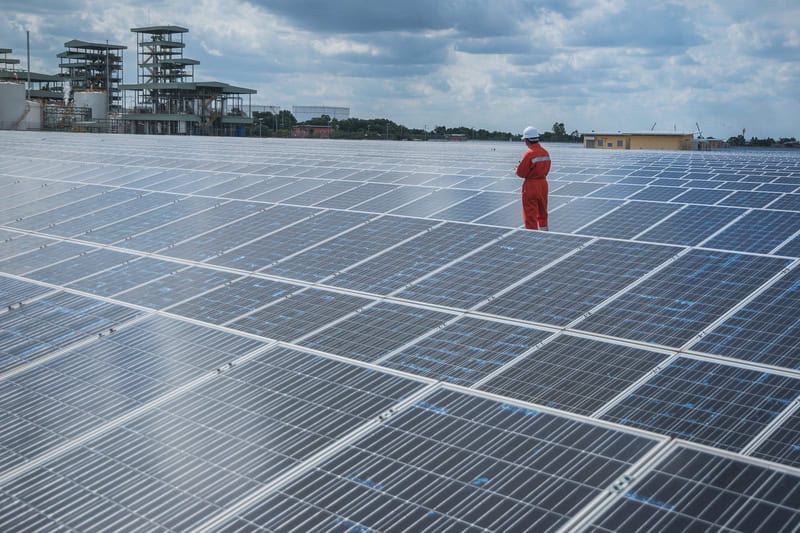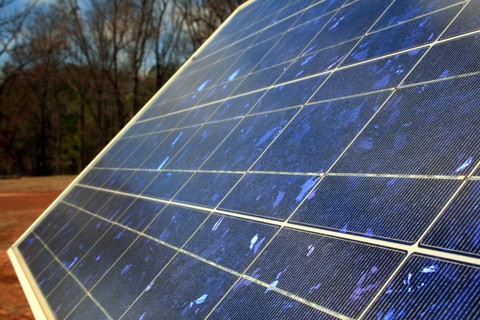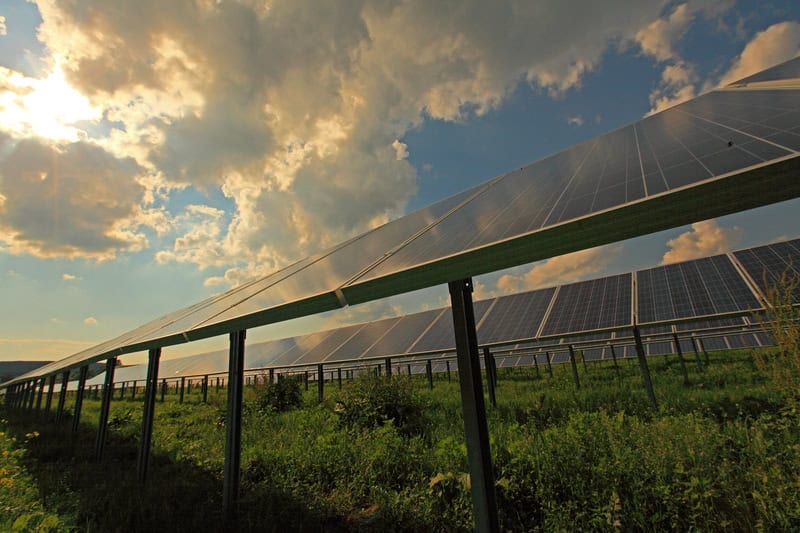

Need Commercial Solar Maintenance Plans? Look No Further than JMS Energy.

As businesses across the U.S. continue to invest in solar energy, one key question often arises after installation: How do I keep my solar system performing at its best for years to come?

The answer is simple — you need a reliable partner with expertise in Commercial Solar Maintenance Plans.

At JMS Energy, we understand that commercial solar systems are long-term assets that require expert care, proactive service, and strategic maintenance. With decades of experience in the renewable energy industry, JMS Energy provides tailored maintenance plans that help businesses protect their investment, minimize downtime, and optimize energy production.

1. What Are Commercial Solar Maintenance Plans?

A Commercial Solar Maintenance Plan is a scheduled program of inspections, cleaning, testing, and repairs designed to keep your solar energy system operating at peak performance over its lifespan.

These plans are essential because:

  • Solar panels degrade without proper cleaning and care
  • Inverters, cabling, and racking systems require regular inspection
  • Environmental factors like storms, dust, and debris can impact performance
  • Early detection of issues prevents costly repairs later

JMS Energy designs maintenance plans that go far beyond a simple cleaning — offering comprehensive service packages tailored to the needs of commercial solar customers.


2. Why JMS Energy is the Best Choice

With over 30 years of experience in renewable energy construction and operations, JMS Energy is a leader in delivering Commercial Solar Maintenance Plans that businesses can trust.

What Sets JMS Energy Apart:

  • NABCEP-certified technicians
  • Proven track record across the U.S.
  • Advanced diagnostic technology
  • 24/7 emergency response teams
  • Transparent reporting and customer communication

Whether you operate a small rooftop system or a multi-megawatt solar farm, JMS Energy brings unmatched expertise to every project.


3. Core Services Included in JMS Energy’s Commercial Solar Maintenance Plans

A. Preventative Maintenance Services:

  • Visual inspections of panels, inverters, and cabling
  • Panel cleaning and debris removal
  • Inverter firmware updates
  • Electrical testing and IV curve tracing
  • Grounding and safety checks
  • Vegetation management around solar arrays

B. Corrective Maintenance Services:

  • Fault detection and diagnostics
  • Emergency repairs (storm damage, component failure)
  • Tracker and racking system adjustments
  • Replacement of damaged modules or wiring
  • SCADA system troubleshooting

These services ensure both day-to-day reliability and long-term performance.


4. Preventative vs. Corrective Maintenance

Maintenance TypePurposeBenefits
Preventative MaintenanceScheduled inspections and careAvoids failures, maximizes efficiency
Corrective MaintenanceReactive repairs after issues ariseRestores functionality quickly, minimizes downtime

JMS Energy blends both strategies into a cohesive plan to provide the most comprehensive coverage.


5. Customized Maintenance Plans for Every Business

No two commercial solar systems are the same. JMS Energy offers flexible Commercial Solar Maintenance Plans that are:

  • Scalable for system size and complexity
  • Customized to regional climate conditions
  • Designed for rooftop, ground-mount, or carport systems
  • Available as quarterly, bi-annual, or annual service contracts

This customization ensures that every client receives exactly the level of care they need.


6. Technology & Tools JMS Energy Uses

JMS Energy leverages cutting-edge technology to provide smarter maintenance:

ToolPurpose
Drone InspectionsAerial imagery for large-scale sites
Thermal Imaging CamerasDetects hot spots and faulty connections
SCADA MonitoringReal-time system performance tracking
Digital Work Order SystemsTransparent reporting and service logs
Predictive AnalyticsIdentifies future maintenance needs based on trends

7. The Financial Benefits of a Maintenance Plan

Investing in a Commercial Solar Maintenance Plan is not an expense — it’s a long-term cost-saving strategy.

Financial Advantages:

  • Maximized energy production = Increased savings
  • Extended equipment lifespan = Delayed replacement costs
  • Early problem detection = Reduced emergency repair costs
  • Warranty protection = Compliance with manufacturer requirements

A well-maintained system delivers the highest return on investment (ROI).


8. Industries JMS Energy Serves

JMS Energy provides maintenance services across a variety of industries, including:

  • Retail and Commercial Facilities
  • Industrial and Manufacturing Sites
  • Schools and Universities
  • Government and Municipal Buildings
  • Healthcare and Hospital Campuses
  • Agricultural Operations

No matter your industry, JMS Energy has the expertise to keep your solar system operating flawlessly.


9. Signs Your Solar System Needs Maintenance

Watch for these warning signs:

SymptomPossible Issue
Drop in energy outputDirty panels, inverter faults
Frequent inverter alarmsHardware or wiring issues
Visible debris or damageStorm damage, environmental wear
Uneven system performanceShading, hot spots, tracker misalignment

If you notice any of these, it’s time to contact JMS Energy for a system evaluation.


Frequently Asked Questions (FAQs)

Q1: How often should I schedule commercial solar maintenance?

A1: JMS Energy recommends at least bi-annual maintenance, with additional cleanings or inspections depending on location and environmental conditions.

Q2: Are maintenance plans customizable?

A2: Yes, JMS Energy creates fully customized plans based on your system’s size, location, and energy goals.

Q3: Does maintenance affect my solar system warranty?

A3: Absolutely. Most manufacturer warranties require documented maintenance to stay valid.

Q4: What happens if JMS Energy finds a serious issue during an inspection?

A4: JMS Energy provides a detailed report and rapid-response repair services to address the problem quickly.

Q5: Can JMS Energy maintain systems they didn’t install?

A5: Yes, JMS Energy provides maintenance services for all commercial solar systems, regardless of the original installer.

Q6: How do I request a quote for a maintenance plan?

A6: Contact JMS Energy through their website or call their service team to schedule a consultation.


Conclusion: Protect Your Solar Investment with JMS Energy’s Commercial Solar Maintenance Plans

Commercial Solar Maintenance Plans

Your commercial solar system is a valuable asset — and it deserves expert care. With JMS Energy’s industry-leading Commercial Solar Maintenance Plans, you get more than just routine inspections. You get peace of mind, superior performance, and a trusted partner dedicated to your success.

Don’t leave your solar energy production to chance. Contact JMS Energy today and experience the difference a professional maintenance plan can make.

Solar Upkeep 101: What is Preventative Maintenance for Solar Farms?

As the solar industry continues to grow, so does the importance of protecting these long-term investments. For owners and operators of utility-scale solar farms, consistent performance and minimal downtime are vital. One of the most effective ways to safeguard your solar assets is through Preventative Maintenance for Solar Farms.

In this detailed guide, we’ll break down what preventative maintenance really means in the context of solar farms, why it’s a non-negotiable component of a successful operation, and how JMS Energy offers best-in-class solutions to keep your systems running at peak capacity—year after year.


What is Preventative Maintenance for Solar Farms?

Preventative maintenance refers to the scheduled, proactive servicing of equipment to avoid unexpected failures and optimize solar farm performance. It’s the opposite of reactive maintenance, which only occurs after a breakdown.

In the context of utility-scale solar, preventative maintenance includes routine inspections, testing, calibration, cleaning, and component replacements to:

  • Maximize energy production
  • Minimize downtime
  • Extend equipment lifespan
  • Ensure warranty compliance
  • Reduce long-term operating costs

JMS Energy’s approach to preventative maintenance is built on real-world data, predictive analytics, and expert fieldwork, making it both efficient and highly effective.


Why is Preventative Maintenance for Solar Farms Important?

A solar farm is a complex system of interconnected parts, from PV modules and inverters to transformers and trackers. Even minor issues—like dust buildup or a loose connector—can snowball into significant energy losses if left unchecked.

Here’s why preventative maintenance is critical:

BenefitImpact
Increased Energy OutputCleaner, calibrated systems perform more efficiently
Reduced Operational CostsAvoids expensive emergency repairs and component failures
Asset LongevityProtects inverters, panels, and wiring from premature degradation
Improved ROIMore consistent performance over 20–30 years
Warranty ComplianceKeeps systems eligible for manufacturer support and insurance

JMS Energy integrates these goals into every maintenance plan, ensuring your solar farm remains a top-performing asset in your portfolio.


Key Components of Preventative Maintenance by JMS Energy

1. Visual Inspections and Physical Assessments

Routine walk-throughs of the site identify issues early. JMS technicians inspect:

  • PV modules for cracks, delamination, or hot spots
  • Inverter cabinets for corrosion, overheating, or loose connections
  • Cable trays and conduit for damage or wear
  • Grounding and bonding for compliance with electrical codes
  • Tracker systems for alignment, wear, or structural issues

2. Electrical Testing and Performance Analysis

JMS Energy uses advanced tools to analyze system health, including:

  • IV Curve Tracing – Evaluates panel performance at the string level
  • Insulation Resistance Testing – Detects potential electrical leaks
  • Thermal Imaging – Finds hot spots in panels, fuses, and inverters
  • Voltage and Current Checks – Ensures balance and proper load sharing

These methods provide real-time insights into asset condition and identify underperforming areas.

3. Inverter and Transformer Maintenance

Inverters are the heart of a solar farm. JMS technicians perform:

  • Fan and filter replacement
  • Firmware updates
  • DC/AC terminal torque checks
  • Transformer oil inspection and testing
  • Ground fault and arc fault detection system checks

Routine care reduces the risk of inverter failure, a leading cause of downtime in solar systems.

4. Cleaning and Vegetation Management

  • Module Cleaning: Removes soiling that blocks sunlight (especially critical in dusty or agricultural areas)
  • Weed & Grass Control: Prevents shading and reduces fire hazards
  • Drainage and Erosion Checks: Ensures infrastructure integrity during storms or floods

Maintaining a clean, hazard-free environment around your system contributes directly to performance and safety.

5. Tracker & Racking System Checks

For solar farms with tracking systems, JMS performs:

  • Motor calibration
  • Structural bolt torque verification
  • Lubrication of mechanical components
  • Alignment verification for optimal sun tracking

Maintaining tracker accuracy improves daily energy yield by up to 20%.


How Often Should Preventative Maintenance Be Done?

JMS Energy recommends a bi-annual or quarterly schedule for most utility-scale solar farms. However, the frequency may vary depending on:

  • System size and complexity
  • Climate and weather conditions
  • Manufacturer guidelines
  • Warranty requirements
  • Historical performance data

They also offer customized maintenance schedules based on predictive analytics and operational history, giving owners a data-driven roadmap for upkeep.


Tools and Technology JMS Energy Uses for Preventative Maintenance

JMS Energy enhances traditional maintenance with cutting-edge digital tools:

ToolFunction
Drones with Thermal CamerasScan large areas for module hot spots and anomalies
SCADA SystemsMonitor real-time performance across all components
Digital Work Order SystemsTrack tasks, service records, and reporting
Mobile Diagnostic UnitsField-deployable tech for rapid testing and repairs
AI Predictive ModelsForecast failures before they occur using historic trends

These technologies help JMS move beyond traditional maintenance and offer smart, scalable solar solutions.


What Sets JMS Energy Apart?

  • Nationwide Reach – Servicing solar farms across the U.S.
  • Certified Technicians – NABCEP-certified professionals and OSHA-compliant field crews
  • Proactive Communication – Transparent reports, alerts, and customer support
  • Sustainability-Focused – Environmentally responsible maintenance practices
  • 24/7 Emergency Backup – Rapid-response teams for urgent maintenance situations

With JMS Energy, preventative maintenance becomes a strategic advantage, not just a checklist.


Frequently Asked Questions (FAQs)

Q1: What’s the difference between preventative and reactive maintenance?
A1: Preventative maintenance is planned and scheduled to avoid failures. Reactive maintenance is unplanned and performed after equipment has already failed.

Q2: Does preventative maintenance affect solar farm warranties?
A2: Yes, most manufacturer warranties require regular preventative maintenance to remain valid.

Q3: How much energy loss can dirty panels cause?
A3: Depending on location, soiling can reduce output by 5–30%. Regular cleaning can prevent this loss.

Q4: Can preventative maintenance help with insurance compliance?
A4: Absolutely. Many insurers require documented maintenance to cover damages or system failures.

Q5: Do I need SCADA for effective preventative maintenance?
A5: While not mandatory, SCADA systems greatly enhance preventative maintenance by offering real-time alerts and performance data.

Q6: Is preventative maintenance cost-effective for smaller solar farms?
A6: Yes, even smaller systems benefit from early issue detection and extended equipment life, ultimately reducing total ownership costs.


Final Thoughts: Invest in Uptime with JMS Energy

Preventative Maintenance for Solar Farms

Preventative maintenance for solar farms isn’t just about checking boxes—it’s about protecting performance, boosting ROI, and ensuring your solar investment runs smoothly for decades. JMS Energy’s expert approach combines field-tested practices with advanced diagnostics to offer comprehensive, reliable solar upkeep.

Don’t wait for your system to fail. Be proactive—partner with JMS Energy and keep your solar farm shining at full power.

Want to start today? You can contact JMS Energy here.

10 Expert Utility-Scale Solar Services JMS Energy Provides for Long-Term Solar Farm Success

In today’s fast-evolving renewable energy landscape, utility-scale solar farms are crucial for delivering clean, reliable electricity to the grid. Yet, these large-scale projects demand precision engineering, meticulous planning, and comprehensive long-term support. That’s where JMS Energy comes in.

Specializing in Utility-Scale Solar Services, JMS Energy brings decades of combined experience in optimizing solar farm performance from conception through decommissioning. Whether you’re launching a new project or looking to upgrade an aging system, JMS delivers the technical depth and operational expertise you need to succeed.

In this comprehensive guide, we’ll explore the 10 most valuable Utility-Scale Solar Services JMS Energy provides, designed to support your solar farm at every stage of development.

1. Engineering, Procurement & Construction (EPC)

Launching a utility-scale solar farm begins with thoughtful design and disciplined execution. JMS Energy provides turnkey EPC services that handle everything from blueprint to commissioning. Their engineering team carefully considers site conditions, solar irradiance, and grid capacity when designing the most effective system.

Key EPC Deliverables:

  • Full system layout & single-line diagrams
  • Procurement of Tier-1 panels, inverters, racking, and balance-of-system (BOS) components
  • Construction oversight, including grading, trenching, and structural mounting
  • Safety and quality inspections during each construction phase
  • Commissioning coordination for rapid project delivery

By uniting procurement and construction under one roof, JMS Energy minimizes delays and ensures that your solar asset is built right the first time.


2. Project Lifecycle Management

Managing a utility-scale solar project requires intense coordination across stakeholders, timelines, and budgets. JMS Energy’s project lifecycle services provide oversight across every phase—from permitting to operations.

Lifecycle Service Inclusions:

  • Budget tracking and financial modeling
  • Contractor and vendor coordination
  • Critical path scheduling using tools like Primavera and MS Project
  • Mitigation strategies for weather delays or material shortages
  • Final inspection and performance certification

By aligning people, processes, and performance metrics, JMS helps solar farm developers meet deadlines and optimize financial outcomes.


3. Site Selection & Feasibility Analysis

Before development begins, choosing the right location is vital. JMS Energy evaluates physical and environmental factors to determine whether a site supports high-yield solar production.

Feasibility Services Include:

  • Satellite irradiance modeling using PVsyst
  • Geotechnical and hydrological assessments
  • Environmental impact analysis and habitat protection
  • Forecasting of expected energy yield and payback periods
  • Risk assessments for flooding, wind, and seismic activity

With their deep expertise, JMS Energy ensures clients make data-driven site selection decisions with maximum long-term viability.


4. Utility Interconnection Planning

Grid connection is one of the most technically demanding aspects of utility-scale solar projects. JMS Energy simplifies this complex process by managing utility communication, application submissions, and interconnection design.

Key Support Services:

  • Interconnection application preparation and tracking
  • Coordination with regional transmission organizations (RTOs) and ISOs
  • Substation design and equipment selection
  • Compliance with IEEE 1547, UL 1741, and local codes
  • Generator interconnection studies and load flow modeling

Their experienced electrical engineers help avoid costly redesigns and delays, ensuring a smooth path to energization.


5. SCADA Integration & Monitoring

Once operational, solar farms require real-time monitoring systems to track performance and detect faults. JMS Energy installs and configures Supervisory Control and Data Acquisition (SCADA) systems that give you visibility into every aspect of your plant.

Monitoring Capabilities:

  • String-level performance analytics
  • Fault detection and root-cause analysis
  • Live dashboard access via cloud or mobile
  • Historical data trend analysis for predictive maintenance
  • Alarms and alerts for equipment anomalies

Their SCADA expertise empowers operators to maximize uptime and performance through intelligent analytics.


6. Full Commissioning & Grid Testing

A solar farm must pass a series of technical benchmarks before going online. JMS Energy performs complete commissioning checks to verify that your project meets all performance and safety criteria.

Commissioning Checks Include:

  • Inverter and transformer functionality
  • Grounding resistance measurements
  • Voltage, current, and harmonics validation
  • Communication systems testing
  • Punch-list management and closeout documentation

This rigorous process ensures your project is grid-ready, safe, and producing at full capacity from Day One.


7. Preventive and Predictive O&M

Keeping a solar farm at peak performance over 20–30 years requires a proactive O&M strategy. JMS Energy’s preventive and predictive maintenance services include both scheduled inspections and real-time performance monitoring.

O&M Features:

  • IV curve tracing and thermographic imaging
  • Module soiling and degradation analysis
  • Inverter firmware updates and fault code management
  • Predictive AI modeling to forecast failures
  • Work order tracking and field service automation

By investing in advanced diagnostics and digital tools, JMS ensures maximum long-term asset value.


8. Reactive & Emergency Maintenance

Even with the best planning, equipment failures or environmental events can occur. JMS Energy offers 24/7 emergency support and rapid-response teams to resolve issues and reduce revenue losses.

Emergency Response Includes:

  • Storm damage inspection and remediation
  • Tracker and inverter replacement
  • Cable splicing and grounding repair
  • SCADA fault resolution
  • Spare parts sourcing and on-site dispatch

Their fast turnaround minimizes downtime and ensures that solar production resumes quickly and safely.


9. System Repowering and Optimization

As components age or become outdated, JMS Energy offers repowering services that breathe new life into older solar installations.

Common Repowering Solutions:

  • Panel upgrades with higher efficiency models
  • Inverter replacements with advanced tracking algorithms
  • Tracker motor retrofits and calibration
  • Optimization of wiring, combiner boxes, and layout orientation

These upgrades boost performance, extend system lifespan, and improve ROI—without requiring full system replacement.


10. Regulatory Support & Compliance Audits

Utility-scale solar farms must meet evolving environmental and operational regulations. JMS Energy ensures compliance with:

  • NERC and FERC reliability standards
  • EPA and state-level emissions reporting
  • OSHA and NFPA 70E workplace safety protocols
  • Annual audits and documentation for lenders or investors
  • Stormwater pollution prevention plans (SWPPP)

With expert knowledge of regulatory frameworks, JMS protects your investment from legal and operational risks.


The JMS Energy Advantage in Utility-Scale Solar Services

Utility-Scale Solar Services

When it comes to Utility-Scale Solar Services, JMS Energy is more than a contractor—they’re a long-term partner. They bring:

  • Decades of real-world solar experience
  • In-house engineers, technicians, and field crews
  • Proven processes and performance benchmarks
  • A reputation for reliability, safety, and integrity

Whether you’re breaking ground or optimizing year 10, JMS Energy delivers technical depth, operational efficiency, and project-wide peace of mind.


Frequently Asked Questions (FAQs)

Q1: What qualifies as a “utility-scale” solar project?
A1: Generally, any solar installation above 5 MW that connects directly to the transmission or distribution grid is considered utility-scale.

Q2: Does JMS Energy offer services beyond construction?
A2: Yes, JMS provides full lifecycle services, including operations, maintenance, repowering, monitoring, and regulatory support.

Q3: Can JMS integrate battery storage with solar farms?
A3: Absolutely. JMS Energy designs and integrates BESS (Battery Energy Storage Systems) to complement solar generation and optimize dispatch.

Q4: What kind of SCADA platforms does JMS support?
A4: JMS works with industry-standard platforms like Trimark, AlsoEnergy, and custom solutions based on project needs.

Q5: How do I request a quote for Utility-Scale Solar Services?
A5: Contact JMS Energy here to discuss your site.

Q6: Are JMS technicians NABCEP-certified?
A6: Yes, JMS Energy maintains a team of NABCEP-certified professionals for quality assurance and technical excellence.


Conclusion: Power Your Solar Project with Confidence

The road to solar success is long—but with JMS Energy’s expertise in Utility-Scale Solar Services, you don’t have to walk it alone. From engineering brilliance to boots-on-the-ground service, JMS provides the full stack of solutions your solar farm needs to thrive—today, tomorrow, and beyond.

Solar Farm Remediation Services—What They Are and How JMS Energy Can Help You With Them

Table of Contents

What Are Solar Farm Remediation Services?

Solar farm remediation services refer to the structured and environmentally responsible process of decommissioning a solar energy site once it reaches the end of its lifecycle or when the equipment becomes obsolete. This involves safely dismantling solar infrastructure, recycling materials, restoring land, and ensuring compliance with environmental regulations.

A Vital Phase in the Solar Lifecycle

While solar installation garners much attention, decommissioning is equally important. Neglecting the remediation phase can result in land contamination, legal penalties, and missed opportunities for future land use.

When and Why Solar Farms Need Remediation

Solar farms often require remediation due to aging equipment, poor system performance, expiring land leases, or regulatory pressures. Without solar farm remediation services, these sites can become environmental liabilities instead of assets.


Components of Comprehensive Solar Farm Remediation Services

Detailed Site Inspections and Reporting

JMS Energy begins with a thorough inspection of the solar farm, evaluating panel condition, soil quality, water drainage, and any potential ecological risks. This helps formulate a detailed solar farm remediation services plan customized to each site.

Safe Equipment Removal and Material Recovery

Panels, racking systems, wiring, transformers, and inverters are safely dismantled and sorted for reuse or recycling. JMS Energy works with certified recyclers to minimize waste and maximize material recovery.

Grid Disconnection and Electrical Deactivation

Our experts handle the safe disconnection from utility grids and transformers. We follow NEC and OSHA standards to eliminate hazards and ensure electrical systems are decommissioned properly.

Ground and Soil Remediation for Reuse

JMS Energy restores the terrain by removing foundations, regrading, testing soil for contaminants, and reintroducing native vegetation—an essential part of long-term solar farm remediation services.


JMS Energy’s End-to-End Solar Farm Remediation Process

Step 1: Site Analysis and Risk Assessment

Every project starts with a custom environmental and infrastructure analysis to identify the safest and most cost-effective remediation path.

Step 2: Customized Decommissioning Plan

We create a structured project timeline and resource plan tailored to your site, budget, and future land use goals.

Step 3: Professional Execution and Monitoring

Our trained field crews execute the plan with minimal disruption to surrounding areas, while our project managers track every detail until the final closure report.


Compliance and Permitting in Solar Farm Remediation Services

Meeting EPA, State, and Local Regulations

Solar farm remediation services must adhere to strict guidelines regarding waste disposal, soil safety, and site restoration. JMS Energy manages all permits and ensures compliance from start to finish.

Managing Documentation and Closure Reports

We handle the required documentation, including decommissioning reports, recycling receipts, land restoration photos, and closure certifications.


Sustainability in Solar Farm Remediation Services

Panel Recycling and Resource Optimization

Up to 90% of most panel components are recyclable. JMS Energy ensures that glass, aluminum, and semiconductor materials are diverted from landfills to processing facilities.

Ecological Restoration and Biodiversity Support

When requested, we help transition sites into green spaces, pollinator habitats, or agricultural land—leaving a positive legacy after the solar project ends.


Solar Farm Repowering vs. Remediation

Key Differences and When to Choose Each

Repowering involves upgrading panels and equipment while maintaining the existing site. Remediation, on the other hand, removes the infrastructure entirely. JMS Energy offers honest assessments to help you choose the best path forward.

JMS Energy’s Assessment Approach

We evaluate solar efficiency, repair costs, lease terms, and energy pricing before recommending either repowering or solar farm remediation services.


Financial Considerations and ROI

Cost Drivers of Solar Farm Remediation Services

Factors include size of the site, volume of materials, distance to recycling centers, environmental cleanup needs, and project duration.

How JMS Energy Ensures Cost Efficiency

We streamline logistics, reclaim salvageable components, and manage permits efficiently—lowering total project cost without compromising quality.


Real-World Remediation Projects by JMS Energy

From Obsolete to Opportunity—Case Examples

In Texas, JMS Energy transformed a defunct 15-acre solar farm into usable farmland. In California, we decommissioned a site and repurposed it for wildlife preservation.

Lessons Learned and Best Practices Applied

Across projects, JMS Energy brings experience, adaptability, and a results-driven mindset that consistently exceeds client expectations.


Challenges in Delivering Solar Farm Remediation Services

Remote Locations and Heavy Logistics

Solar farms are often in rural areas, requiring advanced planning for equipment transport and workforce mobilization.

Managing Contaminated or Hazardous Components

Older batteries and inverters may require special handling. JMS Energy partners with licensed waste handlers to ensure compliance.


When to Initiate Solar Farm Remediation Services

Equipment Degradation and Energy Loss

Aging solar panels can drop below 70% efficiency. When maintenance becomes more expensive than replacement, it’s time to consider remediation.

Lease Expiration and Land Use Transitions

As leases approach expiration, property owners often look to either restore the land or redevelop it—making solar farm remediation services a necessary step.


FAQs: Solar Farm Remediation Services

Are solar panels recyclable after remediation?

Yes, most components like glass, aluminum, and silicon can be recycled.

Who pays for solar farm remediation services?

Typically, the project owner is responsible. JMS Energy offers transparent quotes to help plan accordingly.

How do I plan for remediation early in the project lifecycle?

Include a decommissioning plan at project inception. JMS Energy helps design forward-thinking strategies.

What happens to the land after remediation?

It can be returned to agriculture, sold, developed, or conserved based on the owner’s goals.

How long does JMS Energy take to complete a remediation project?

Anywhere from 4 weeks to 6 months, depending on scale and complexity.

Is remediation mandatory by law?

Yes, many states and lease agreements require formal remediation upon decommissioning.


Conclusion: Why JMS Energy is the Leader in Solar Farm Remediation Services

JMS Energy brings unmatched expertise, compliance knowledge, and sustainability practices to every solar farm remediation services project. We don’t just clean up—we prepare your land for a cleaner, more profitable future. Trust JMS Energy to guide you through this vital phase with care, precision, and environmental integrity.ut environmental stewardship, future planning, and responsible land use. With JMS Energy’s experienced team, you gain a trusted partner who understands the technical, regulatory, and environmental demands of solar farm remediation services. Whether you’re decommissioning or preparing to repower, JMS Energy ensures the process is efficient, compliant, and sustainable.

Want remediation, installation, or other renewable services today? Contact us here.

The Latest Solar Cell Technology in 2025– and the Best Ways JMS is Using It.

The solar industry is evolving rapidly, with the latest solar cell technology in 2025 pushing the boundaries of efficiency, affordability, and versatility. As demand for renewable energy grows, breakthroughs in solar panel designs are making solar power more accessible to homes, businesses, and large-scale energy projects.

At the forefront of this revolution is JMS Energy, a leader in sustainable energy solutions. JMS Energy is actively integrating the latest solar cell technology to provide its customers with high-performance solar solutions that are both cost-effective and environmentally friendly. In this article, we’ll explore the most cutting-edge advancements in solar technology and how JMS Energy is harnessing them to shape a cleaner future.

Perovskite Solar Cells: A Breakthrough in The Latest Solar Cell Technology

One of the most exciting innovations among the latest solar cell technology is perovskite solar cells. These cells have gained widespread attention for their ability to significantly outperform traditional silicon panels.

Why Perovskite Solar Cells Are Game-Changers

  • Higher Efficiency: Perovskite solar cells have reached over 25% efficiency, making them one of the most efficient solar technologies to date.
  • Lower Production Costs: These cells are cheaper to manufacture compared to conventional silicon panels.
  • Lightweight & Flexible: Unlike traditional rigid panels, perovskite cells can be produced in flexible formats, expanding their use cases.

JMS Energy’s Use of Perovskite Solar Cells

JMS Energy has been an early adopter of new solar cell technology, incorporating perovskite cells into its hybrid panel systems. By combining perovskite with silicon, JMS Energy has developed high-performance solar panels that deliver exceptional efficiency and longevity.

Ultra-Thin Flexible Solar Cells: A New Era of Solar Power

As the latest solar cell technology continues to advance, ultra-thin flexible solar cells are gaining traction. These paper-thin solar cells can be integrated into various applications, from wearable technology to building-integrated photovoltaics (BIPV).

Benefits of Ultra-Thin Flexible Solar Cells

  • Portability: Ideal for mobile power solutions, including solar-powered clothing and gadgets.
  • Versatile Integration: Can be embedded in surfaces like windows, roofs, and even vehicles.
  • Sustainable Energy for Remote Areas: Perfect for off-grid power generation in remote locations.

JMS Energy’s Role in Flexible Solar Technology

JMS Energy is pioneering the use of new solar cell technology by integrating flexible solar cells into commercial and residential projects. This includes solar-powered roofing materials and portable energy solutions, ensuring customers can generate power wherever they go.

Heterojunction (HJT) Solar Cells: Pushing Efficiency to the Next Level

Heterojunction (HJT) solar cells represent a major leap forward in solar cell technology. These advanced cells use a combination of silicon and thin-film materials to maximize solar energy conversion.

Why HJT Solar Cells Matter

  • Efficiency Above 26%: Among the most efficient solar panels currently available.
  • Improved Performance in Low Light: Unlike older solar panels, HJT cells continue generating power even on cloudy days.
  • Longer Lifespan: Their durable design ensures they retain high efficiency over decades.

JMS Energy’s Implementation of HJT Technology

JMS Energy is rolling out HJT solar panels for large-scale commercial installations. This innovation is particularly beneficial for industrial and commercial buildings that require maximum energy generation with minimal space.

Floating Solar Photovoltaics (FPV): Harnessing Solar Power on Water

One of the most innovative recent solar applications is floating solar photovoltaics (FPV). These systems involve installing solar panels on lakes, reservoirs, and oceans, utilizing unused water surfaces.

Why Floating Solar Panels Are Gaining Popularity

  • Saves Land Space: Ideal for areas where land availability is limited.
  • Higher Efficiency: Water helps keep the panels cool, improving performance.
  • Protects Water Resources: Reduces evaporation and prevents excessive algae growth.

JMS Energy’s Investment in Floating Solar

JMS Energy is currently deploying FPV projects in partnership with municipalities and private sectors. By leveraging the latest solar cell technology, JMS Energy is maximizing clean energy generation without sacrificing land resources.

Plasmonic-Enhanced Solar Cells: A Nanotechnology Revolution

Another key advancement in solar cell technology is plasmonic-enhanced solar cells. This cutting-edge technology enhances light absorption using tiny metallic nanoparticles, significantly increasing energy capture.

Advantages of Plasmonic-Enhanced Solar Cells

  • Higher Light Absorption: Allows smaller panels to generate more power.
  • Ideal for Urban Areas: Works well in shaded and densely populated environments.
  • Lower Costs: Uses fewer raw materials, making it an economical solution.

JMS Energy’s Role in Plasmonic Solar Development

JMS Energy is working with nanotechnology firms to bring plasmonic-enhanced solar panels to the market. This technology is particularly beneficial for high-rise buildings and urban solar farms.

Quantum Dot Solar Cells: The Next Big Leap

Quantum dot solar cells represent one of the most futuristic developments in the latest solar cell technology. These ultra-small semiconductor particles can be engineered to absorb specific wavelengths of light, boosting solar panel efficiency beyond current limits.

Why Quantum Dot Solar Cells Matter

  • Customizable Solar Absorption: Can be tailored for specific energy needs.
  • Potential for 30%+ Efficiency: Far surpassing traditional silicon-based cells.
  • Lower Environmental Impact: Requires fewer raw materials and less energy to produce.

JMS Energy’s Exploration of Quantum Dot Technology

JMS Energy is investing in quantum dot solar research, with the goal of developing next-generation solar panels that offer superior efficiency at lower costs. This aligns with JMS Energy’s mission to lead the way in adopting the latest solar cell technology.

Conclusion

Latest Solar Cell Technology

The year 2025 is shaping up to be a landmark moment for solar cell technology. With innovations like perovskite solar cells, ultra-thin flexible panels, HJT technology, floating solar, and quantum dots, the future of solar energy has never looked brighter.

JMS Energy is taking full advantage of these advancements by integrating the latest solar cell technology into its residential, commercial, and industrial projects. By embracing cutting-edge solar solutions, JMS Energy is helping businesses and homeowners make the transition to clean, efficient, and affordable solar power.

With a strong commitment to innovation, JMS Energy is not just keeping up with the future—it is shaping it. Contact us today to shape your journey into renewable energy.


FAQs

1. What makes perovskite solar cells stand out among innovations of the latest solar cell technology?
They offer higher efficiency, lower costs, and flexible applications, making them a game-changer in solar energy.

2. How do ultra-thin flexible solar cells improve solar power usage?
They can be integrated into buildings, clothing, and vehicles, expanding how we use solar power.

3. Why are HJT solar cells considered more efficient?
They use multiple semiconductor layers, maximizing efficiency even in low-light conditions.

4. What are the benefits of floating solar photovoltaics (FPV)?
FPV systems save land space, improve efficiency, and help preserve water resources.

5. How is JMS Energy implementing the latest solar cell technology?
JMS Energy is deploying advanced solar panels, floating solar farms, and urban solar solutions to revolutionize the energy industry.

6. Why should businesses and homeowners adopt the latest solar cell technology?
It offers higher efficiency, cost savings, and environmental benefits, making it a smart investment for the future.

10 Good Reasons Why JMS Energy is a Shining Solar Energy Example in the Industry

Introduction

As the world shifts towards sustainable energy solutions, companies like JMS Energy are setting benchmarks in the solar industry. JMS Energy has established itself as a premier solar energy example, offering high-quality products, innovative technology, and exceptional customer service.

In this article, we will explore 10 reasons why JMS Energy is a shining example in the solar industry, proving its commitment to clean, renewable energy.


1. Cutting-Edge Solar Technology

JMS Energy integrates state-of-the-art solar panel technology into its systems. Their advanced photovoltaic (PV) panels offer:

  • High Efficiency – Converts more sunlight into usable energy.
  • Durability – Designed to withstand harsh weather conditions.
  • Smart Monitoring – Allows customers to track their energy production in real time.

By leveraging the latest advancements, JMS Energy continues to be a leading solar energy example in innovation.


2. Commitment to Sustainability

Unlike many competitors, JMS Energy takes an eco-friendly approach at every stage:

  • Sustainable Manufacturing – Uses environmentally friendly materials.
  • Recyclable Components – Minimizes waste by ensuring panels and batteries can be reused.
  • Carbon Footprint Reduction – Actively works to lower emissions through green energy projects.

This dedication to sustainability solidifies JMS Energy’s role as a pioneer in the solar industry.


3. Affordable and Flexible Solar Solutions

One of the biggest barriers to solar adoption is cost. JMS Energy addresses this by offering:

  • Affordable pricing models – Making solar energy accessible to more households.
  • Flexible financing options – Lease, loan, and purchase plans to fit different budgets.
  • Government incentive guidance – Helping customers take advantage of rebates and tax credits.

Their customer-centric approach ensures that solar power is affordable for everyone.


4. Industry-Leading Customer Support

JMS Energy is renowned for top-tier customer service, including:

  • Free energy consultations – Helping clients make informed decisions.
  • 24/7 customer support – Ensuring help is always available.
  • Dedicated project managers – Guiding customers from installation to maintenance.

By prioritizing customer satisfaction, JMS Energy reinforces its position as a trusted solar energy example.


5. Exceptional Solar Panel Efficiency

Efficiency is key when it comes to solar panels. JMS Energy’s solar panels boast:

  • Above-average energy conversion rates – Maximizing energy production.
  • Advanced anti-reflective coatings – Enhancing sunlight absorption.
  • Smart shading technology – Minimizing energy loss due to partial shading.

This high-efficiency performance makes JMS Energy’s solutions ideal for both residential and commercial users.


6. Customizable Solar Solutions

Every home and business has unique energy needs. JMS Energy offers tailored solar solutions that include:

  • Custom solar system designs – Based on location, roof size, and energy consumption.
  • Scalability – Systems that can expand as energy needs grow.
  • Hybrid and off-grid options – Allowing greater energy independence.

This flexibility and adaptability make JMS Energy a top solar energy example.


7. Strong Industry Reputation and Certifications

JMS Energy holds multiple certifications and industry recognitions, proving its credibility:

  • Certified by the Solar Energy Industries Association (SEIA).
  • Recognized for safety and efficiency standards.
  • Consistently positive customer reviews and testimonials.

These accolades showcase JMS Energy’s commitment to quality and industry leadership.


8. Seamless Solar Installation Process

Switching to solar should be stress-free, and JMS Energy ensures a smooth installation process:

  • Site assessment and consultation – Evaluating the best system setup.
  • Professional installation by experts – Ensuring a hassle-free transition.
  • Post-installation support and maintenance – Keeping systems running at peak efficiency.

With expert installation services, JMS Energy makes solar adoption simple and efficient.


9. Commitment to Research and Development

JMS Energy stays ahead by investing in solar research:

  • Innovating new solar storage solutions – Enhancing battery efficiency.
  • Exploring next-gen solar cells – Increasing panel lifespan and output.
  • Testing AI-powered energy management systems – Optimizing power distribution.

Their forward-thinking approach makes them a leading force in solar advancements.


10. Positive Impact on the Community

JMS Energy is dedicated to giving back:

  • Providing solar solutions to underserved areas.
  • Partnering with environmental organizations to promote sustainability.
  • Educating communities about renewable energy benefits.

By making solar energy more accessible and impactful, JMS Energy sets an inspiring example in the industry.


Solar Energy Example

Conclusion

JMS Energy is more than just a solar company—it is a shining solar energy example in the industry. From cutting-edge technology and high efficiency to outstanding customer support and sustainability efforts, JMS Energy continues to lead the way in renewable energy solutions.

If you’re looking for a trusted partner in your journey toward clean energy, JMS Energy stands as a prime example of excellence in solar power. Contact us today to begin your clean energy journey.


Frequently Asked Questions (FAQs)

1. Why is JMS Energy considered a leading solar energy example?

JMS Energy excels in technology, customer service, affordability, and sustainability, making it a benchmark in the solar industry.

2. What financing options does JMS Energy offer?

JMS Energy provides purchase, lease, and loan options, along with assistance in obtaining solar incentives and tax credits.

3. How efficient are JMS Energy’s solar panels?

JMS Energy’s panels feature high efficiency, anti-reflective coatings, and smart shading technology, ensuring maximum energy production.

4. Does JMS Energy offer off-grid solar solutions?

Yes, JMS Energy provides off-grid and hybrid solar solutions for customers seeking energy independence.

5. How long does JMS Energy’s installation process take?

Most residential installations are completed within a few days, while commercial projects may take longer depending on system size.

6. Does JMS Energy offer solar panel maintenance services?

Yes, JMS Energy provides ongoing maintenance, performance monitoring, and repair services for all installed systems.

What Does it Take to Install a Wind Turbine?

As the world shifts towards renewable energy, wind power has emerged as a leading source of clean electricity. Installing a wind turbine is a complex process that requires careful planning, engineering expertise, and compliance with regulatory standards. At JMS Energy, we specialize in designing and installing efficient wind energy solutions to help businesses and communities transition to sustainable power.

In this article, we will explore the key steps, requirements, and considerations involved in installing a wind turbine, ensuring a smooth and successful implementation.


Understanding Wind Turbines

A wind turbine is a device that converts the kinetic energy of the wind into electrical energy. It consists of several key components:

Main Components of a Wind Turbine:

  • Blades – Capture wind energy and convert it into rotational motion.
  • Nacelle – Houses the generator, gearbox, and other essential equipment.
  • Tower – Supports the turbine at an optimal height to catch strong winds.
  • Generator – Converts mechanical energy into electricity.
  • Controller & Electrical System – Regulates power output and connects to the grid.

Wind turbines can be installed onshore (land-based) or offshore (sea-based), depending on wind availability and project requirements.


Step-by-Step Guide to Installing a Wind Turbine

1. Site Assessment and Wind Resource Analysis

Before installing a wind turbine, it’s crucial to analyze the location’s wind resources. JMS Energy conducts detailed wind assessments using advanced tools like:

  • Anemometers – Measure wind speed and direction.
  • Wind maps and meteorological data – Analyze historical wind patterns.
  • Computer modeling – Simulate energy output based on local wind conditions.

A site with consistent, strong winds will yield the best results, maximizing electricity generation.


2. Permits and Regulatory Approvals

Installing a wind turbine requires compliance with local, state, and national regulations. Key permits include:

  • Environmental impact assessments – Ensuring minimal disruption to ecosystems.
  • Zoning and land-use permits – Verifying local laws allow wind energy projects.
  • Grid connection agreements – Establishing protocols for feeding electricity into the grid.

JMS Energy assists clients in navigating regulatory requirements to ensure a smooth approval process.


3. Choosing the Right Wind Turbine

Selecting the right turbine depends on factors such as:

  • Energy needs – Residential, commercial, or utility-scale usage.
  • Wind conditions – Suitability for small or large turbines.
  • Budget and financing – Cost-effectiveness and available incentives.

JMS Energy provides customized turbine solutions, optimizing efficiency and return on investment.


4. Preparing the Site and Infrastructure

Once approvals are secured, site preparation begins. This includes:

  • Clearing and leveling the land – Ensuring a stable foundation.
  • Building access roads – Facilitating transportation of heavy equipment.
  • Constructing foundations – Installing reinforced concrete bases for stability.
  • Laying electrical cables – Connecting the turbine to the power grid.

Proper site preparation is crucial for safety and long-term turbine performance.


5. Transportation and Assembly of Wind Turbine Components

Wind turbine components are large and require specialized transportation. JMS Energy arranges for:

  • Logistical planning – Coordinating transport via trucks, ships, or rail.
  • On-site crane assembly – Erecting towers and installing turbine blades.
  • Mechanical and electrical connections – Ensuring all systems function correctly.

Each step must be executed with precision to ensure a smooth installation process.


6. Turbine Installation and Commissioning

Once components arrive, the turbine is assembled in stages:

  • Tower installation – Securing the structure to the foundation.
  • Nacelle placement – Mounting the generator and gearbox.
  • Blade attachment – Connecting the rotor assembly.
  • Electrical connections – Integrating the turbine into the energy system.

After installation, JMS Energy conducts rigorous testing, including:

  • Load and performance tests – Verifying energy output.
  • Safety inspections – Ensuring compliance with industry standards.
  • Grid synchronization – Integrating the turbine with the electrical network.

Once testing is complete, the turbine is ready to generate clean, renewable energy.


Key Challenges in Wind Turbine Installation

A wind turbine

Despite the benefits of wind energy, installation presents several challenges:

1. High Initial Costs

Wind turbines require significant investment, but incentives such as tax credits and grants help offset costs. JMS Energy assists clients in exploring financing options.

2. Environmental Considerations

Wind farms must minimize impacts on wildlife, such as birds and bats. Strategic site selection and mitigation measures help reduce ecological disruption.

3. Weather-Dependent Installation

Heavy winds and storms can delay construction. JMS Energy carefully plans installations around favorable weather conditions.

4. Grid Integration

Connecting a wind turbine to the power grid requires technical expertise to prevent voltage fluctuations and ensure stable electricity distribution. JMS Energy ensures seamless grid integration.


Benefits of Installing a Wind Turbine

Investing in a wind turbine offers numerous advantages:

1. Renewable and Sustainable Energy

Wind power is a clean and infinite resource, reducing reliance on fossil fuels.

2. Cost Savings on Electricity Bills

Wind energy lowers long-term electricity costs, providing financial benefits for businesses and homeowners.

3. Energy Independence

Generating on-site electricity reduces dependence on external energy suppliers.

4. Carbon Emission Reduction

Wind turbines significantly cut greenhouse gas emissions, contributing to environmental sustainability.

5. Job Creation and Economic Growth

Wind energy projects create jobs in manufacturing, installation, and maintenance, supporting local economies.


Why Choose JMS Energy for Wind Turbine Installation?

JMS Energy is a trusted leader in renewable energy solutions, providing:
Expert consultation – Assessing site feasibility and wind potential.
Regulatory support – Managing permits and compliance requirements.
High-quality turbines – Offering advanced, durable wind energy systems.
End-to-end services – Handling installation, grid connection, and maintenance.

Our goal is to make wind energy accessible, efficient, and cost-effective for businesses and communities.


Frequently Asked Questions (FAQs)

1. How much space is needed to install a wind turbine?

Space requirements vary depending on turbine size. A small residential turbine may need half an acre, while large commercial turbines require several acres for optimal wind flow.

2. What is the lifespan of a wind turbine?

Most wind turbines last 20 to 25 years, with proper maintenance ensuring peak performance throughout their lifespan.

3. Can a wind turbine work in low-wind areas?

Yes, but efficiency is lower. Advanced turbine models can generate power even at low wind speeds. JMS Energy conducts wind assessments to determine feasibility.

4. What is the maintenance cost of a wind turbine?

Annual maintenance costs range from 1-3% of the turbine’s original cost. Regular inspections help prevent expensive repairs.

5. How long does it take to install a wind turbine?

The process typically takes 6 months to 2 years, depending on permitting, site preparation, and weather conditions.

6. Can a wind turbine operate off-grid?

Yes, wind turbines can work independently or be integrated with battery storage systems for off-grid applications.


Conclusion

Installing a wind turbine is a multi-step process that requires careful planning, engineering expertise, and regulatory compliance. At JMS Energy, we specialize in providing customized wind energy solutions that maximize efficiency and sustainability. Whether for residential, commercial, or utility-scale applications, we ensure a seamless transition to clean, renewable wind power.

If you’re considering wind energy for your business or community, contact JMS Energy today for expert consultation and installation services!

BESS Storage’s Bright Future at JMS Energy

Battery Energy Storage Systems (BESS) are revolutionizing the energy sector, providing efficient and sustainable energy storage solutions for businesses and communities. At JMS Energy, we are at the forefront of this innovation, ensuring that BESS plays a pivotal role in the future of renewable energy. As the global demand for reliable and clean energy continues to rise, our commitment to cutting-edge storage technologies positions us as a leader in the industry.

In this article, we will explore the importance of BESS, its benefits, future trends, and how JMS Energy is driving this transformation.

What is BESS Storage?

BESS Storage

BESS storage refers to advanced systems that store electrical energy in batteries for later use. These systems help manage energy supply and demand, stabilize power grids, and support renewable energy sources like solar and wind.

Key Components of BESS:

  • Battery Modules – Store electrical energy efficiently.
  • Inverters – Convert stored DC energy into AC power.
  • Energy Management System (EMS) – Optimizes battery usage and performance.
  • Cooling and Safety Systems – Prevent overheating and ensure safe operations.

BESS technology enables energy users to store excess power during low-demand periods and use it during peak hours, reducing reliance on traditional fossil fuels.

The Growing Importance of BESS Storage

1. Renewable Energy Integration

BESS is crucial for integrating renewable energy sources. Solar and wind power generation can be inconsistent, but energy storage ensures a stable and continuous power supply. JMS Energy’s BESS solutions help balance energy fluctuations and improve grid stability.

2. Grid Reliability and Stability

Power outages and voltage fluctuations can disrupt businesses and homes. BESS storage acts as a backup power source, enhancing grid reliability and reducing blackouts. By partnering with JMS Energy, businesses can secure uninterrupted power supply.

3. Cost Savings for Businesses

Energy costs fluctuate throughout the day. BESS enables businesses to store electricity when prices are low and use it during peak hours, leading to significant cost savings. JMS Energy’s advanced storage solutions maximize efficiency and reduce energy expenses.

4. Reduction of Carbon Footprint

By reducing dependence on fossil fuels and integrating clean energy sources, BESS helps lower greenhouse gas emissions. JMS Energy is committed to sustainability, ensuring that our storage solutions support a greener planet.


BESS Storage Solutions at JMS Energy

JMS Energy offers state-of-the-art BESS solutions designed for various applications, from residential and commercial setups to large-scale industrial and utility projects.

1. Residential Energy Storage

Homeowners can benefit from BESS by storing solar energy for nighttime use, reducing electricity bills, and ensuring backup power during outages. JMS Energy provides compact, high-efficiency home storage systems for maximum convenience.

2. Commercial & Industrial Applications

Businesses require reliable power to operate efficiently. Our BESS solutions help reduce energy costs, improve power quality, and support demand management strategies. JMS Energy customizes solutions to meet the unique needs of commercial and industrial clients.

3. Utility-Scale Storage

Large-scale energy storage is essential for stabilizing national power grids and ensuring energy security. JMS Energy’s utility-grade BESS solutions provide high-capacity storage to support renewable energy integration and grid balancing.


1. Advancements in Battery Technology

New battery chemistries, such as solid-state batteries and lithium-iron-phosphate (LFP) batteries, are improving energy density, safety, and lifespan. JMS Energy continues to invest in cutting-edge battery technologies to enhance storage performance.

2. AI and Smart Energy Management

Artificial intelligence (AI) and machine learning are transforming energy management by optimizing battery performance, predicting energy demand, and reducing operational costs. JMS Energy integrates AI-driven analytics for smarter energy storage solutions.

3. Vehicle-to-Grid (V2G) Integration

Electric vehicles (EVs) equipped with BESS storage can act as mobile energy storage units, supplying power back to the grid when needed. JMS Energy is exploring V2G applications to enhance grid resilience and sustainability.

4. Expansion of Grid-Scale Storage

As energy demands increase, utility-scale BESS storage is becoming more critical. JMS Energy is working on expanding its large-scale storage solutions to support national and regional energy infrastructures.


Why Choose JMS Energy for BESS Storage?

JMS Energy stands out in the energy storage industry with its commitment to innovation, sustainability, and customer-focused solutions. Here’s why we are the preferred choice for BESS solutions:

  • Cutting-Edge Technology – We utilize the latest advancements in battery storage and energy management.
  • Customizable Solutions – Our storage systems are tailored to meet the unique needs of homeowners, businesses, and utilities.
  • Sustainability Commitment – We prioritize eco-friendly energy solutions that contribute to a cleaner environment.
  • Expert Support & Maintenance – Our team provides end-to-end support, from installation to ongoing maintenance and optimization.

Frequently Asked Questions (FAQs)

1. How long do BESS batteries last?

BESS batteries typically last between 10 to 15 years, depending on usage, battery chemistry, and maintenance. JMS Energy offers high-quality batteries with long lifespans and performance warranties.

2. Can BESS work with solar panels?

Yes, BESS is highly compatible with solar panels. It allows excess solar energy to be stored for use during nighttime or cloudy days, enhancing energy independence.

3. Is BESS storage safe?

Yes, JMS Energy’s BESS storage systems include advanced safety features such as thermal management, fire suppression, and automated monitoring to ensure safe operation.

4. How does BESS storage reduce electricity costs?

By storing energy during low-cost periods and using it during peak demand, BESS storage reduces electricity bills significantly. Businesses and homeowners can optimize their energy usage with our smart storage solutions.

5. What industries benefit the most from BESS?

Industries such as manufacturing, healthcare, data centers, and renewable energy providers benefit greatly from BESS due to their high energy consumption and need for reliable power.

6. How can I install a BESS storage system with JMS Energy?

You can contact JMS Energy for a consultation, where our experts will assess your energy needs and recommend the best storage solution for your home or business.


Conclusion

BESS storage is shaping the future of energy by enhancing reliability, reducing costs, and supporting sustainability. At JMS Energy, we are committed to delivering cutting-edge storage solutions that empower businesses and homeowners with efficient and reliable energy. As technology advances, our dedication to innovation and environmental responsibility ensures that BESS storage remains a key player in the clean energy revolution.

For more information on how JMS Energy can help you harness the power of BESS, contact us today!

10 Reasons to Make the Switch to Green Energy This Year

As the demand for sustainable solutions grows, making the switch to green energy has never been more important. Whether you’re a homeowner, business owner, or policymaker, embracing renewable energy sources like solar, wind, and hydroelectric power can lead to significant financial and environmental benefits.

At JMS Energy, we believe that making the switch to green energy is a smart decision for both individuals and the planet. In this article, we’ll explore 10 compelling reasons why now is the perfect time to make the switch.

Switch to Green Energy

1. Save Money on Energy Bills

Traditional energy sources like coal and natural gas are becoming more expensive due to fluctuating fuel prices. By investing in solar panels, wind turbines, or battery storage, you can significantly reduce or even eliminate your electricity bills. With net metering programs, excess energy produced by your system can be sold back to the grid, further lowering costs.

2. Reduce Your Carbon Footprint

Fossil fuels are the leading contributors to greenhouse gas emissions, causing global warming and climate change. Making the switch to green energy significantly reduces your carbon footprint, helping to combat pollution and protect the environment for future generations.

3. Increase Energy Independence

Relying on traditional energy sources leaves consumers vulnerable to price hikes and supply chain disruptions. With green energy systems like solar and wind power, you gain more control over your energy production, ensuring a stable and reliable power supply.

4. Boost Property Value

Homes and businesses equipped with renewable energy systems are more attractive to buyers. Studies show that solar-powered homes sell faster and at higher prices compared to non-solar properties. Installing green energy solutions is a long-term investment that adds value to your property.

5. Access Government Incentives & Tax Credits

Governments worldwide are encouraging the switch to green energy by offering tax credits, rebates, and incentives for installing renewable energy systems. Programs like the Investment Tax Credit (ITC) in the U.S. and grants in other regions help reduce upfront costs, making the switch more affordable.

6. Enjoy Low Maintenance Costs

Unlike fossil fuel-based power plants, solar panels and wind turbines require minimal maintenance. With no fuel costs and fewer moving parts, green energy systems are designed to operate efficiently with minimal upkeep, saving you time and money in the long run.

7. Protect Yourself from Power Outages

Extreme weather conditions and grid failures can lead to unexpected power outages. With renewable energy and battery storage solutions, you can store surplus electricity and ensure continuous power supply during emergencies. This is especially beneficial for homes in remote areas or businesses that rely on constant energy access.

8. Support Job Growth & Local Economy

The renewable energy sector is one of the fastest-growing industries, creating thousands of jobs worldwide. By making the switch to green energy, you support local solar panel installers, wind turbine technicians, and energy efficiency experts, contributing to job creation and economic development.

9. Improve Public Health

Burning fossil fuels releases harmful pollutants like sulfur dioxide and nitrogen oxides, which contribute to respiratory diseases, heart conditions, and other health problems. By investing in a switch to green energy, we can reduce air pollution and improve public health, leading to cleaner air and fewer medical expenses.

10. Future-Proof Your Home or Business

The world is rapidly gearing towards a switch to green energy, with governments and corporations committing to net-zero emissions goals. Investing in renewable energy now ensures that your home or business stays ahead of the curve, avoiding future penalties or restrictions on fossil fuel usage.

How to Get Started with JMS Energy

At JMS Energy, we make the switch to green energy easy and affordable. Here’s how you can get started:

  1. Schedule a Free Consultation – Our experts will assess your energy needs and recommend the best solution.
  2. Get a Customized Quote – We provide transparent pricing and financing options to fit your budget.
  3. Professional Installation – Our certified technicians will install your solar panels, wind turbines, or battery storage systems efficiently.
  4. Start Saving & Enjoying Green Energy – Lower your energy costs and contribute to a cleaner environment!

Frequently Asked Questions (FAQs)

1. What is green energy?

Green energy comes from renewable sources such as the sun, wind, and water. It is sustainable, eco-friendly, and does not deplete natural resources like fossil fuels.

2. Is solar power worth the investment?

Yes! Solar energy offers long-term savings on electricity bills, increases property value, and provides energy independence. Government incentives also help lower the upfront costs.

3. Can I use green energy if I live in an area with low sunlight?

Yes! Even in areas with limited sunlight, solar panels can still generate energy. Additionally, hybrid systems combining solar, wind, and battery storage ensure continuous power supply.

4. How long does it take to install a renewable energy system?

Most solar panel installations take 1-3 days, while wind and hybrid systems may take longer. JMS Energy provides fast and efficient installation services tailored to your needs.

5. Can businesses benefit from green energy?

Absolutely! Businesses can cut energy costs, enhance their brand image, and meet corporate sustainability goals by switching to green energy solutions.

6. What maintenance is required for renewable energy systems?

Solar panels require minimal maintenance, usually just occasional cleaning and inspections. Wind turbines and battery storage systems may require periodic checkups to ensure optimal performance.

Conclusion

Switching to green energy is a smart, sustainable, and financially rewarding decision. From reducing energy costs and carbon emissions to increasing property value and energy independence, the benefits are undeniable.

At JMS Energy, we are committed to helping homeowners and businesses transition to renewable energy seamlessly. If you’re ready to make the switch, contact us today and take the first step toward a cleaner, greener future!

JMS Energy Has the Best Renewable Energy Installers You Need in 2025

As the world shifts towards sustainable energy solutions, finding experienced and reliable renewable energy installers is more critical than ever. Whether you’re a homeowner looking to reduce your carbon footprint or a business aiming to cut energy costs, JMS Energy is your go-to provider for high-quality renewable energy installers. Our team of certified experts ensures seamless solar panel, wind turbine, and battery storage system installations tailored to your specific needs.

In this article, we’ll explore why JMS Energy is the best choice among renewable energy installers, the services we offer, and how our solutions can help you achieve energy independence.

Why Choose JMS Energy for Renewable Energy Installers?

1. Expertise and Experience

JMS Energy boasts a team of seasoned renewable energy installers who specialize in installing and maintaining renewable energy systems. With years of hands-on experience, we ensure every project meets industry standards and exceeds customer expectations.

2. Cutting-Edge Technology

Our renewable energy installers utilize the latest advancements in solar, wind, and battery storage technology to provide highly efficient, cost-effective solutions. Our commitment to innovation guarantees that your energy system remains at the forefront of sustainability.

3. Customized Energy Solutions

Every home and business has unique energy needs. JMS Energy tailors its renewable energy installations to your specific requirements, ensuring maximum efficiency and savings.

4. Certified and Accredited Installers

Our team consists of fully licensed, insured, and accredited renewable energy installers, giving you peace of mind that your system is installed safely and professionally.

Our Renewable Energy Installation Services

1. Solar Panel Installation

Harness the power of the sun with our expert solar panel installation services. We offer:

  • Residential and commercial solar installations
  • Grid-tied and off-grid systems
  • High-efficiency photovoltaic (PV) panels
  • Maintenance and repair services

2. Wind Turbine Installation

For customers in windy regions, our wind energy solutions provide a reliable and sustainable power source. JMS Energy installs:

  • Small and large-scale wind turbines
  • Hybrid solar-wind energy systems
  • Custom-designed wind energy solutions

3. Battery Storage Solutions

Store excess energy and use it when needed with our battery storage installations. We offer:

  • Lithium-ion and lead-acid battery storage
  • Smart energy management systems
  • Scalable storage for residential and commercial use

4. Energy Efficiency Consulting

Our team provides expert energy audits and consultations to help optimize your energy consumption, lower utility bills, and improve sustainability.

Benefits of Choosing JMS Energy for Your Renewable Energy Needs

1. Reduced Energy Costs

By switching to renewable energy, you can drastically lower electricity bills and take advantage of government incentives and tax credits.

2. Environmentally Friendly

Our solutions help reduce carbon emissions, promoting a cleaner and greener planet for future generations.

3. Increased Energy Independence

With a reliable renewable energy system, you’re less reliant on traditional power grids, ensuring a stable energy supply even during outages.

4. Enhanced Property Value

Homes and businesses with renewable energy installations see higher property values, making it a smart long-term investment.

How to Get Started with JMS Energy

Renewable Energy Installers

Getting started with JMS Energy is easy! Follow these simple steps:

  1. Schedule a Free Consultation – Our team will assess your energy needs and recommend the best solution.
  2. Get a Customized Quote – Receive a tailored proposal with transparent pricing and financing options.
  3. Installation and Setup – Our certified renewable energy installers will professionally install your system.
  4. Enjoy Renewable Energy Savings – Start benefiting from lower energy costs and a sustainable future!

Frequently Asked Questions (FAQs)

1. How much does it cost to install a renewable energy system?

The cost varies depending on the type and size of the system. JMS Energy provides customized quotes based on your energy needs and budget.

2. How long does installation take?

Installation times vary, but most solar panel systems are completed within one to three days. Larger projects, such as wind turbines, may take longer.

3. Do I need a permit for renewable energy installation?

Yes, permits are required, but JMS Energy handles all necessary permits and paperwork on your behalf.

4. What maintenance is required for renewable energy systems?

Most solar panels require minimal maintenance, such as occasional cleaning. Battery storage and wind turbines may require periodic inspections.

5. Can I sell excess energy back to the grid?

Yes! Many areas offer net metering programs, allowing you to sell unused energy back to the grid for credits.

6. Is financing available for renewable energy installations?

Yes, JMS Energy offers financing options to make switching to renewable energy more affordable.

Conclusion

JMS Energy is your trusted partner among renewable energy installers, providing expert services in solar, wind, and battery storage solutions. With our skilled team, cutting-edge technology, and customer-focused approach, we make the transition to renewable energy seamless and cost-effective.

Ready to take control of your energy future? Contact JMS Energy today to schedule your consultation and start your journey toward sustainable living!