
Table of Contents
Introduction: Wind Energy Enters a New Era in 2026
Wind energy has evolved from a niche renewable option into a critical part of global power generation. As demand for clean, reliable electricity increases, advancements in design, materials, and data analytics are reshaping how wind systems perform. In 2026, wind technology is more efficient, adaptable, and dependable than ever before, making it an increasingly attractive energy solution for businesses, utilities, and landowners.
JMS Energy plays an important role in helping customers understand and apply modern wind solutions through expert planning, engineering, and project execution.
What Is Wind Energy Technology?
Wind energy technology refers to the systems and processes that convert wind into usable electrical power. At its core, it includes:
- Wind turbines that capture kinetic energy
- Mechanical components that convert motion into rotational energy
- Generators that produce electricity
- Electrical systems that deliver power to the grid or on-site loads
Modern wind technology combines these physical components with advanced software, sensors, and controls to optimize performance and reliability.
Why Wind Energy Continues to Grow
Wind power continues to expand because it offers a balance of environmental and economic benefits. Key drivers include:
- Zero fuel costs
- Low operational emissions
- Scalable system sizes
- Long equipment lifespans
- Compatibility with other renewable energy sources
These advantages have positioned wind energy as a foundational component of long-term energy strategies.
Advancements in Turbine Design
One of the most visible improvements in wind technology is turbine design. In 2026, turbines benefit from:
- Taller towers that reach stronger, more consistent wind resources
- Larger rotor diameters that capture more energy
- Improved blade aerodynamics
- Stronger, lighter materials that reduce wear
These advancements allow turbines to generate more electricity even in areas with moderate wind speeds.
Smarter Control Systems and Automation
Modern wind turbines are no longer passive machines. Advanced control systems now adjust turbine operation in real time based on wind conditions.
This smart automation improves energy capture, reduces mechanical stress, and enhances overall system efficiency—key reasons why wind technology continues to improve year over year.
Improved Reliability and Reduced Maintenance
Reliability has become a defining feature of modern wind systems. Innovations in materials, monitoring, and diagnostics help identify potential issues before they lead to downtime.
Predictive maintenance tools allow operators to plan service more efficiently, reducing operating costs and extending system lifespan.
Data Analytics Enhancing Performance
Data plays a major role in wind energy performance. Sensors embedded throughout turbines collect information on vibration, temperature, wind speed, and power output.
By analyzing this data, system operators can fine-tune performance, improve forecasting, and maintain optimal operation—demonstrating how wind technology is increasingly driven by intelligent insights.
Integration with Modern Energy Grids
In 2026, wind systems are better integrated with modern electrical grids. Advanced power electronics allow turbines to support grid stability by managing voltage, frequency, and reactive power.
This capability makes wind energy a more dependable contributor to overall grid performance, rather than a variable resource.
Wind Energy and Hybrid Renewable Systems
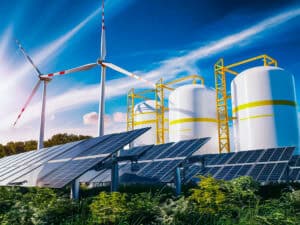
Wind power is often most effective when combined with other energy sources. JMS Energy helps design hybrid systems that integrate wind with solar and energy storage.
These configurations balance energy production across different conditions and times of day, increasing reliability and reducing dependence on any single resource.
Environmental Benefits of Wind Energy
Beyond performance improvements, wind energy remains one of the cleanest power generation options available. Benefits include:
- No greenhouse gas emissions during operation
- Minimal water usage
- Reduced dependence on fossil fuels
- Long-term sustainability
As environmental responsibility becomes more important, wind technology continues to play a key role in cleaner energy systems.
Economic Advantages of Modern Wind Systems
Advancements in technology have improved the economic case for wind energy. Customers benefit from:
- Lower long-term energy costs
- Predictable power generation
- Long operational lifespans
- Reduced exposure to fuel price volatility
When properly designed and maintained, wind systems provide reliable returns over decades.
How JMS Energy Supports Wind Energy Projects
JMS Energy helps customers take advantage of modern wind solutions by providing:
- Wind resource and site analysis
- Engineering-driven system design
- Structural and electrical integration
- Project management and coordination
- Long-term performance support
This comprehensive approach ensures projects align with both technical requirements and long-term energy goals.
Preparing for the Future of Wind Energy
Wind energy will continue to evolve beyond 2026 as grid infrastructure improves and technology advances further. Systems designed today must be flexible enough to adapt to these changes.
JMS Energy focuses on future-ready solutions that support upgrades, integration with storage, and evolving grid requirements—helping customers stay aligned with the future of wind technology.
FAQs About Wind Technology and Energy Systems
Q1: What is wind technology in simple terms?
It is the technology that converts wind into electrical power using turbines, generators, and control systems.
Q2: Has wind energy become more efficient in 2026?
Yes. Advances in turbine design and control systems have significantly improved efficiency.
Q3: Can wind systems operate in moderate wind areas?
Modern turbines are designed to perform well across a wider range of wind conditions.
Q4: Is wind energy reliable?
Yes. Improved monitoring and predictive maintenance have increased reliability.
Q5: Can wind be combined with solar energy?
Yes. Hybrid systems often improve overall energy stability.
Q6: Does JMS Energy manage the full wind project process?
Yes. JMS Energy supports projects from planning through long-term operation.
Conclusion
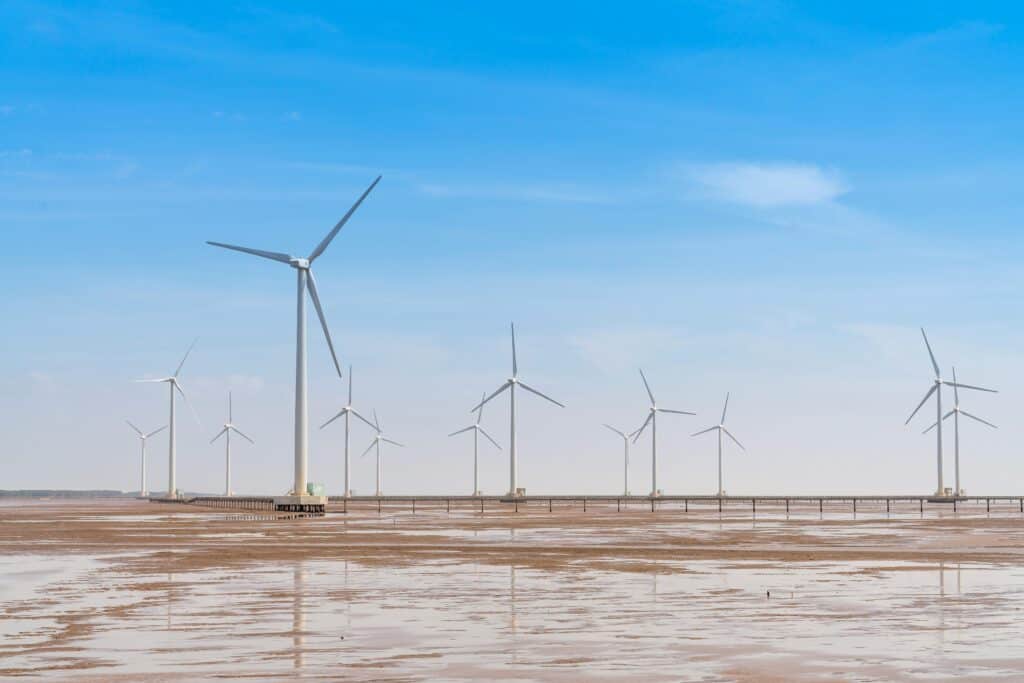
In 2026, wind energy stands stronger than ever thanks to advancements in design, automation, data analytics, and grid integration. Modern wind technology delivers improved efficiency, reliability, and sustainability, making it a powerful component of today’s renewable energy landscape.
JMS Energy helps customers understand and apply these advancements through engineered solutions that deliver long-term value. As wind energy continues to evolve, those who invest in modern technology are well-positioned for a cleaner and more resilient energy future.
Wind Energy is further advanced than ever before. Interested in experiencing the future of energy with JMS Energy? Click here to contact for consultation and inquiries.