Table of Contents
Introduction: Powering America’s Renewable Future
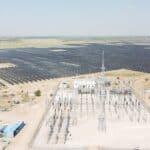
Across the United States, solar energy continues to reshape the nation’s energy landscape. Utility providers, municipalities, corporations, and developers are investing heavily in renewable infrastructure as demand for reliable, sustainable electricity continues to increase. At the center of this transformation are American solar farms, which now produce a significant portion of the country’s renewable electricity while supporting economic growth and energy independence.
While advances in solar technology have made renewable energy more efficient than ever, successful projects still depend on experienced infrastructure partners. Building a utility-scale solar facility requires careful planning, civil construction expertise, sophisticated electrical systems, and disciplined project management.
JMS Energy has earned a reputation as a trusted partner for American solar farms by delivering comprehensive renewable energy solutions from the earliest planning stages through final grid integration. Their commitment to safety, engineering excellence, and long-term reliability has helped developers complete complex projects with confidence throughout the country.
The Continued Growth of American Solar Farms
Solar energy has experienced remarkable expansion over the past decade, and 2026 represents another milestone for the industry. Improvements in photovoltaic technology, declining equipment costs, and stronger electrical infrastructure have accelerated development nationwide.
Several factors continue driving the expansion of American solar farms:
- Increased demand for renewable electricity
- Corporate sustainability initiatives
- Utility diversification strategies
- Improved energy storage technology
- Federal and state investment incentives
- Modernized transmission infrastructure
As projects continue growing in both size and complexity, experienced construction and engineering partners have become increasingly important.
Why Infrastructure Matters More Than Ever
Modern solar facilities are far more than rows of photovoltaic panels. Today’s utility-scale projects require extensive supporting infrastructure that allows systems to generate, collect, transform, and distribute electricity efficiently.
Successful American solar farms depend on:
- Careful site preparation
- Stable structural foundations
- Reliable electrical collection systems
- High-capacity substations
- Utility-grade transmission connections
- Long-term maintenance accessibility
JMS Energy specializes in developing each of these critical components.
1. Comprehensive Site Evaluation Before Construction Begins
Every successful renewable project starts with understanding the site itself.
JMS Energy begins by evaluating:
- Topography
- Soil conditions
- Drainage characteristics
- Utility access
- Environmental considerations
- Construction logistics
Proper planning reduces risk while creating a strong foundation for long-term performance.
This disciplined planning process has become one reason developers consistently choose JMS Energy for American solar farms.
2. Civil Construction Expertise
Preparing thousands of acres for solar development requires precision and experience.
JMS Energy performs civil construction services including:
- Land grading
- Access road construction
- Foundation preparation
- Stormwater management
- Erosion control
These improvements create stable sites capable of supporting decades of renewable energy production.
3. Advanced Electrical Infrastructure
Electrical infrastructure remains one of the most important aspects of utility-scale solar development.
JMS Energy designs and installs:
- Collection systems
- Underground electrical networks
- Transformer systems
- Substations
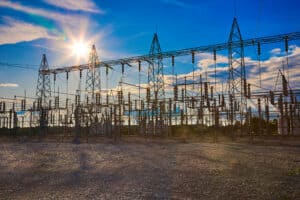
- High-voltage transmission infrastructure
Reliable electrical systems help ensure American solar farms deliver consistent power while meeting utility requirements.
4. Seamless Grid Integration
Connecting renewable energy projects to the national electrical grid requires extensive technical coordination.
JMS Energy works closely with utilities to support:
- Grid interconnection planning
- System testing
- Utility compliance
- Reliable energy transmission
- Long-term operational stability
Their experience simplifies one of the most technically demanding phases of solar development.
5. Structured Project Management
Large-scale renewable developments involve numerous contractors, suppliers, engineers, inspectors, and utility representatives.
JMS Energy maintains efficiency through:
- Detailed scheduling
- Milestone tracking
- Budget oversight
- Resource coordination
- Transparent communication
Strong project management reduces delays while helping projects stay aligned with client expectations.
6. Commitment to Safety
Construction safety remains one of the company’s defining priorities.
JMS Energy maintains rigorous safety standards through:
- Ongoing workforce training
- Daily job-site evaluations
- Equipment inspections
- OSHA compliance
- Continuous improvement initiatives
This safety-first culture helps protect workers while improving project efficiency.
7. Supporting Long-Term Performance
Solar projects are designed to operate for decades.
JMS Energy focuses on long-term durability through:
- Quality construction practices
- Reliable infrastructure
- Proper equipment placement
- Maintenance accessibility
This long-term mindset supports higher system reliability and lower lifecycle costs.
8. Embracing Modern Renewable Technologies
Technology continues advancing throughout the renewable energy industry.
JMS Energy remains current with developments including:
- Higher-efficiency solar modules
- Smart monitoring systems
- Automated controls
- Improved inverter technologies
- Enhanced electrical infrastructure
Their willingness to adopt proven innovations allows American solar farms to remain competitive well into the future.
9. Building for Future Expansion
Many renewable developments are planned with future growth in mind.
JMS Energy designs infrastructure that supports expansion through:
- Modular electrical systems
- Expandable substations
- Flexible project layouts
- Future transmission capacity
Scalable infrastructure provides long-term value while reducing future construction costs.
10. Building Long-Term Partnerships
Perhaps the greatest strength JMS Energy offers is its commitment to lasting client relationships.
Rather than viewing projects as one-time engagements, the company emphasizes:
- Ongoing consultation
- Infrastructure support
- Performance optimization
- Future planning
This collaborative approach has helped establish JMS Energy as a trusted partner for American solar farms nationwide.
Supporting America’s Renewable Energy Goals
The continued expansion of American solar farms contributes to several national priorities:
- Increased energy independence
- Lower greenhouse gas emissions
- Greater grid reliability
- Economic development
- Job creation
- Long-term energy security
JMS Energy supports these objectives by helping deliver renewable infrastructure that performs safely and reliably.
Why Developers Continue Choosing JMS Energy
Organizations across the renewable energy industry choose JMS Energy because of its proven ability to deliver results.
Clients benefit from:
- Integrated engineering expertise
- Civil construction experience
- Advanced electrical capabilities
- Strong project management
- Commitment to safety
- Long-term operational focus
These strengths allow the company to consistently support successful renewable energy developments throughout the United States.
Looking Toward the Future
The renewable energy industry will continue evolving throughout the coming decade.
Future developments are expected to include:
- Higher-efficiency solar technologies
- Expanded battery storage
- Smarter electrical grids
- Increased automation
- Enhanced performance monitoring
JMS Energy remains committed to continuous improvement, ensuring clients remain prepared for future opportunities.
Frequently Asked Questions (FAQs)
1. What are American solar farms?
American solar farms are large-scale renewable energy facilities that generate electricity using photovoltaic solar panels.
2. What services does JMS Energy provide?
JMS Energy supports renewable energy projects through site preparation, civil construction, electrical infrastructure, substations, and grid integration.
3. Why is infrastructure important for solar farms?
Reliable infrastructure allows renewable energy systems to operate efficiently and deliver electricity safely to the grid.
4. Does JMS Energy work on utility-scale projects?
Yes. The company has extensive experience supporting large renewable energy developments across the United States.
5. Can solar farms expand in the future?
Many are designed with scalability in mind, allowing additional capacity to be added as energy demand grows.
6. Why do developers choose JMS Energy?
Because of the company’s engineering expertise, reliable project execution, safety standards, and long-term commitment to project success.
Conclusion: Building the Future of American Solar Energy
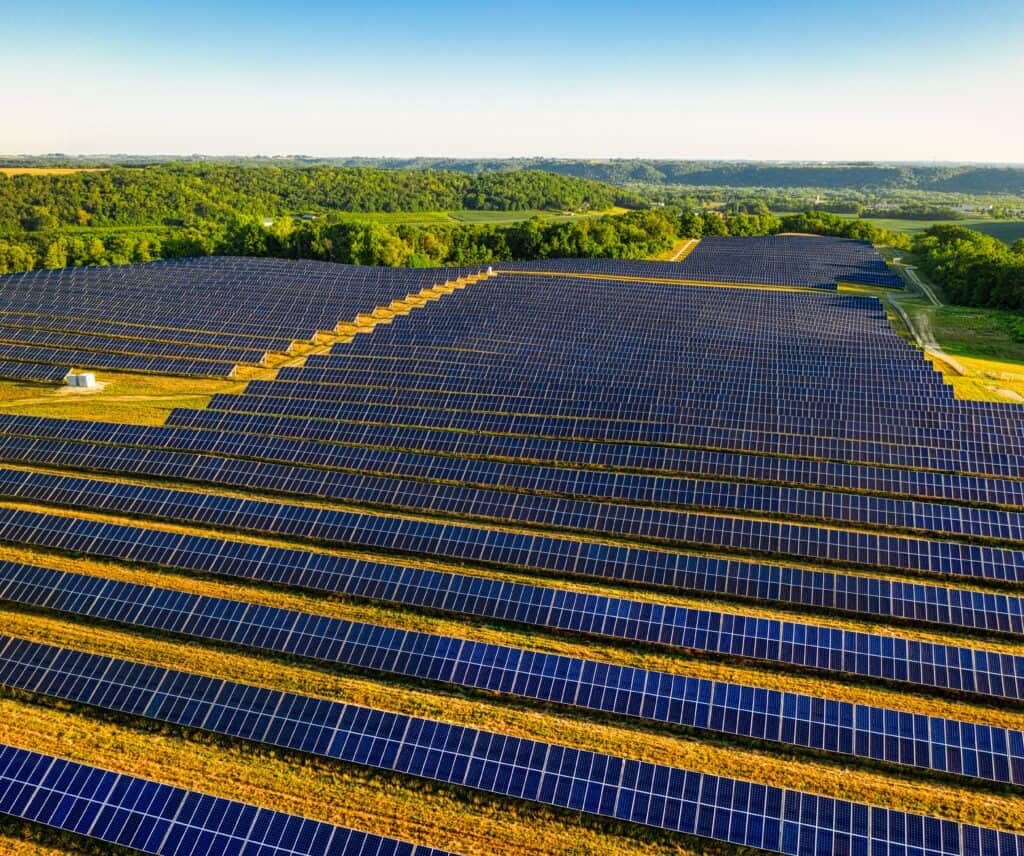
The continued success of American solar farms depends on more than advanced technology—it depends on experienced partners capable of delivering reliable infrastructure and long-term performance.
JMS Energy has demonstrated its ability to meet these demands through engineering excellence, disciplined project management, and a commitment to quality. By helping developers navigate every phase of renewable energy construction, the company continues to strengthen America’s renewable energy future.
As investment in solar energy accelerates throughout 2026 and beyond, JMS Energy remains a trusted partner for organizations seeking dependable renewable infrastructure built to perform for decades.
Want to join the solar farms across America that have partnered with JMS Energy? Click here to contact and get started.