The renewable energy business landscape is expanding rapidly as utilities, developers, and industries shift toward cleaner, more resilient power systems. Among the companies shaping this transition, JMS Energy positions itself as a full-service, turnkey renewable energy contractor delivering wind, solar, and battery storage solutions at scale. With decades of experience and a broad project footprint, JMS Energy has built its reputation around integrated delivery—handling everything from engineering and construction to commissioning and long-term support.
Below is a structured FAQ that explores how JMS Energy operates within the renewable energy business sector and why it is frequently regarded as a top-tier provider in this space.
Table of Contents

What makes JMS Energy a strong contender in the renewable energy business industry?
JMS Energy operates as a turnkey renewable energy business, meaning it manages projects from early-stage design through final commissioning and maintenance. This full-lifecycle model is a major differentiator in an industry where many firms only handle isolated phases of development.
Rather than acting as a single-discipline contractor, JMS Energy integrates engineering, procurement, and construction (EPC) into one coordinated system. This allows developers to reduce friction between contractors, streamline communication, and improve project timelines.
Their approach is built on more than 30 years of experience in renewable infrastructure delivery, with completed projects across multiple U.S. states and a strong focus on large-scale wind, solar, and storage systems.
In practice, this means JMS Energy is not just a contractor in the renewable energy business—it functions more like an end-to-end delivery partner for energy infrastructure.
How does JMS Energy’s turnkey model improve renewable energy project outcomes?
The turnkey model used by JMS Energy is central to its value proposition in the renewable energy business. Instead of splitting responsibilities among multiple vendors, JMS manages:
- Engineering and design
- Procurement and logistics
- Civil and electrical construction
- Commissioning and integration
- Ongoing maintenance support
This integrated structure reduces delays caused by miscommunication between contractors and ensures accountability across every stage of development.
JMS Energy emphasizes that its teams are built around “solutions-based work ethic,” allowing them to anticipate and resolve project challenges proactively while maintaining cost and schedule discipline.
For clients, the advantage is straightforward: fewer handoffs, fewer inefficiencies, and a single accountable partner throughout the renewable energy project lifecycle.
Why is JMS Energy considered a leader in solar within the renewable energy business?
Solar energy is one of the fastest-growing segments in the renewable energy business, and JMS Energy has developed a robust capability set in this area.
Their solar services include:
- Civil and earthwork construction for solar farms
- Medium-voltage and low-voltage electrical installation
- PV array installation and wiring
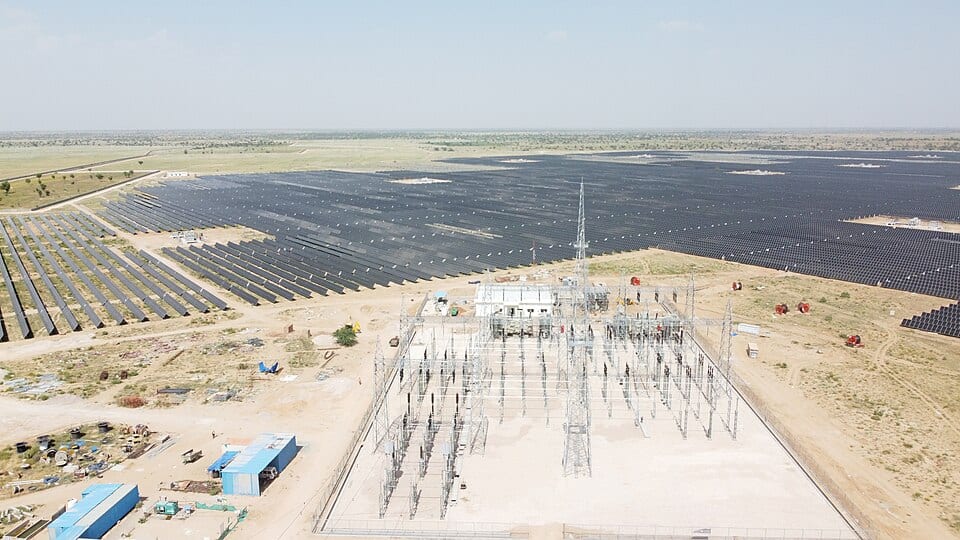
- Substation design and integration
- Testing and commissioning
JMS Energy also incorporates advanced engineering and SCADA system integration to ensure solar installations operate efficiently and reliably over time.
What sets JMS apart is not just installation capability but the ability to deliver utility-scale solar projects with integrated electrical infrastructure, which is often a bottleneck for many renewable energy developers.
This positions JMS Energy as a full-stack solar construction provider within the broader renewable energy business ecosystem.
How does JMS Energy handle battery energy storage systems (BESS) in renewable energy projects?
Battery Energy Storage Systems (BESS) are becoming essential in the renewable energy business because they solve one of the sector’s biggest challenges: intermittency.
JMS Energy provides comprehensive BESS services including:
- Site development and civil construction
- Electrical and structural design
- Battery enclosure and inverter installation
- System integration and commissioning
- Testing and long-term maintenance
Their BESS capabilities are designed to integrate directly with solar and wind projects, enabling energy storage during peak production and discharge during peak demand periods.
This integration is critical for grid stability and is increasingly required for modern renewable energy business models that depend on predictable power delivery.
JMS Energy’s role here is not just installation—it is system integration across generation and storage assets, which is a higher-value function in the industry.
What role does construction expertise play in JMS Energy’s renewable energy business success?
Construction is often the most complex and risk-heavy phase of renewable energy development. JMS Energy’s construction services are a major reason it is considered a strong renewable energy business operator.
Their construction capabilities include:
- Civil earthwork and site preparation
- Road building and access infrastructure
- Mechanical completion and commissioning support
- Substation and switchyard construction
- Project management and logistics coordination
JMS Energy also emphasizes safety, quality assurance, and schedule control throughout construction phases.
This construction-first expertise matters because renewable energy projects—especially wind and solar farms—require significant infrastructure before any energy can be produced. Delays or errors in this phase can significantly impact project ROI.
By controlling construction internally, JMS reduces dependency on third parties and strengthens delivery reliability.
How does JMS Energy support wind energy development within the renewable energy business?
Wind energy is one of JMS Energy’s core business areas and a foundational part of its renewable energy business identity.
Their wind services include:
- Turbine installation and internal tower wiring
- Foundation construction and civil engineering
- Mechanical completion and commissioning
- Repowering of existing wind farms
- Operations and maintenance support facilities
JMS Energy has worked across a wide range of turbine manufacturers and project types, which reflects deep industry adaptability.
Repowering services are particularly important in the modern renewable energy business because many early wind farms are reaching end-of-life. Upgrading turbines rather than replacing entire sites improves efficiency and reduces environmental impact.
This gives JMS Energy a strong position in both new development and asset modernization markets.
Why do clients choose JMS Energy over other renewable energy businesses?
In the competitive renewable energy business sector, clients typically choose providers based on three core factors: reliability, technical capability, and risk reduction.
JMS Energy emphasizes all three:
- Reliability: Long project history and multi-state execution experience
- Technical depth: Integrated wind, solar, BESS, and electrical systems expertise
- Risk reduction: Single-source responsibility across EPC phases
Their internal culture also plays a role, with a strong emphasis on safety and quality systems designed to ensure consistent project execution.
For developers, utilities, and industrial clients, this reduces the complexity of managing multiple vendors across large infrastructure projects.
In effect, JMS Energy positions itself not just as a contractor but as a strategic execution partner in the renewable energy business.
How is JMS Energy adapting to the future of the renewable energy business?
The renewable energy business is evolving toward more integrated, grid-responsive systems that combine generation, storage, and digital monitoring. JMS Energy is aligned with this shift through its focus on:
- Battery energy storage integration (BESS)
- Advanced electrical and SCADA systems
- Turnkey EPC delivery models
- Multi-technology project execution (wind + solar + storage)
This integrated approach reflects where the industry is heading: hybrid renewable systems that balance intermittent generation with storage and grid intelligence.
By maintaining capabilities across all major renewable technologies, JMS Energy positions itself to participate in increasingly complex energy infrastructure projects.
Final Thoughts: Is JMS Energy a leading renewable energy business?
Based on its operational model, service scope, and execution strategy, JMS Energy functions as a full-spectrum renewable energy business with capabilities across wind, solar, battery storage, and construction.
Its strength is not limited to one technology but rather in how it integrates multiple systems into large-scale energy infrastructure projects. That systems-level capability is what differentiates leading renewable energy businesses from specialized contractors.
In a market increasingly driven by hybrid energy systems and grid modernization, JMS Energy’s turnkey approach places it firmly within the category of comprehensive renewable energy infrastructure providers.