Interested in Establishing a New Wind Farm? You Should Start With JMS Energy.

Introduction: Building Tomorrow’s Wind Energy Starts Today

Wind energy has become one of the fastest-growing sources of renewable electricity in the United States. As demand for clean energy continues to rise in 2026, developers, utilities, municipalities, and private organizations are investing in projects that will help power the nation’s future. Establishing a new wind farm is an exciting opportunity, but it is also one of the most technically demanding infrastructure projects in the energy sector.

A successful wind farm requires far more than selecting a site and installing turbines. Every project depends on strategic planning, civil construction, electrical infrastructure, utility coordination, and long-term operational planning. Choosing the right partner at the beginning of the process can determine whether a project meets its performance goals for decades to come.

JMS Energy has earned a reputation for delivering dependable renewable energy infrastructure that supports wind energy developments across the country. Through engineering expertise, disciplined project management, and a commitment to quality, the company helps clients confidently move from concept to completion.

If you’re interested in establishing a new wind farm, JMS Energy is an excellent place to begin.


The Growth of Wind Energy in America

The renewable energy industry continues expanding rapidly.

Several factors are driving increased investment in wind energy:

  • Growing electricity demand
  • Improved turbine technology
  • Corporate sustainability initiatives
  • Grid modernization
  • Renewable energy incentives
  • Long-term operating cost advantages

As more organizations pursue renewable energy projects, experienced infrastructure partners become increasingly valuable.

JMS Energy continues supporting this growth by delivering reliable engineering and construction solutions for every new wind farm they help develop.


Why Planning Matters Before Construction Begins

Every successful wind project begins long before equipment arrives on site.

Proper planning helps developers evaluate:

  • Site conditions
  • Wind resources
  • Utility access
  • Environmental considerations
  • Construction logistics
  • Future expansion opportunities

JMS Energy works with clients early in the development process to identify potential challenges while creating practical solutions that support efficient project execution.

Strong planning lays the foundation for every successful new wind farm.


Site Selection and Evaluation

Selecting the proper location is one of the most important decisions during wind farm development.

JMS Energy helps evaluate:

  • Terrain characteristics
  • Soil stability
  • Accessibility
  • Existing infrastructure
  • Utility proximity
  • Environmental conditions

This thorough assessment reduces risk while helping maximize long-term operational performance.


Civil Construction Expertise

Once planning is complete, construction begins with preparing the site.

JMS Energy provides civil construction services including:

  • Site grading
  • Access road construction
  • Foundation preparation
  • Earthmoving
  • Stormwater management
  • Erosion control

These improvements create the stable environment necessary to support heavy wind turbine infrastructure.

Reliable site preparation remains essential for every new wind farm.


Building Strong Turbine Foundations

Modern wind turbines are larger than ever before.

Supporting these structures requires carefully engineered foundations capable of handling:

  • Heavy structural loads
  • Variable weather conditions
  • Long-term operational stresses

JMS Energy constructs durable foundations that provide stability throughout the lifespan of the project.

Strong foundations directly influence the performance and longevity of every new wind farm.


Advanced Electrical Infrastructure

Electrical systems form the backbone of renewable energy development.

JMS Energy designs and installs:

  • Collection systems
  • Underground electrical infrastructure
  • Transformer installations
  • Utility substations
  • High-voltage transmission systems

Reliable electrical infrastructure ensures electricity generated by wind turbines reaches consumers safely and efficiently.


Grid Integration Expertise

Connecting renewable energy facilities to the electrical grid requires significant coordination.

JMS Energy supports:

  • Utility interconnection planning
  • Electrical testing
  • Grid compliance
  • Transmission coordination

Their experience helps simplify one of the most technically demanding phases of renewable energy development.

Effective grid integration helps maximize the value of every new wind farm.


Project Management That Keeps Construction Moving

Wind farm construction involves multiple contractors, suppliers, engineers, and regulatory agencies.

JMS Energy applies disciplined project management through:

  • Detailed scheduling
  • Budget oversight
  • Resource coordination
  • Milestone tracking
  • Client communication

Strong organization helps reduce delays while maintaining construction quality.


Safety Throughout Every Phase

Renewable energy construction presents unique safety challenges.

JMS Energy prioritizes safety by emphasizing:

  • Workforce training
  • Daily inspections
  • Equipment maintenance
  • OSHA compliance
  • Continuous safety improvement

Safe construction environments support higher productivity while protecting both employees and project schedules.


Planning for Long-Term Performance

Wind farms are expected to operate efficiently for decades.

JMS Energy focuses on long-term reliability through:

  • Durable infrastructure
  • Maintenance accessibility
  • Quality construction
  • Future operational planning

Their long-term perspective helps developers maximize the return on renewable energy investments.

Every new wind farm benefits from infrastructure designed with decades of performance in mind.


Designing for Future Expansion

Renewable energy demand continues growing.

Many wind farms are designed to expand over time.

JMS Energy supports scalable development by incorporating:

  • Expandable substations
  • Modular electrical systems
  • Flexible infrastructure layouts
  • Future transmission capacity

This approach allows organizations to increase production without rebuilding existing infrastructure.


Supporting America’s Renewable Energy Future

Wind energy plays an increasingly important role in strengthening America’s energy independence.

Each new wind farm contributes to:

  • Increased renewable electricity generation
  • Reduced emissions
  • Stronger electrical infrastructure
  • Economic development
  • Local job creation

JMS Energy is proud to help support these national objectives through dependable renewable energy infrastructure.


Why Developers Choose JMS Energy

Organizations continue selecting JMS Energy because of the company’s:

  • Renewable infrastructure expertise
  • Civil construction capabilities
  • Electrical engineering experience
  • Reliable project management
  • Commitment to safety
  • Long-term client support

Their comprehensive services allow developers to work with one experienced partner throughout every phase of project development.


Preparing for the Future of Wind Energy

The renewable energy industry continues advancing rapidly.

Future developments are expected to include:

  • Larger turbine platforms
  • Smarter monitoring technologies
  • Expanded battery storage
  • Advanced transmission systems
  • Artificial intelligence-assisted maintenance

JMS Energy remains committed to helping clients prepare for these evolving technologies while continuing to deliver reliable infrastructure solutions.


Frequently Asked Questions (FAQs)

1. What is required to establish a new wind farm?

Projects require site evaluation, civil construction, electrical infrastructure, utility coordination, turbine installation, and long-term operational planning.

2. What services does JMS Energy provide?

JMS Energy supports site preparation, infrastructure construction, substations, electrical systems, grid integration, and project management.

3. Why are turbine foundations so important?

Proper foundations provide the structural stability necessary for safe, efficient long-term turbine operation.

4. How does JMS Energy support grid integration?

The company coordinates utility interconnections, electrical testing, compliance, and transmission infrastructure.

5. Can wind farms expand in the future?

Yes. Many projects are designed with scalable infrastructure that supports future capacity increases.

6. Why should developers choose JMS Energy?

Because of their engineering expertise, renewable infrastructure experience, disciplined project management, and commitment to long-term project success.


Conclusion: Start Strong with the Right Renewable Energy Partner

New Wind Farm

Establishing a new wind farm is a major investment that requires thoughtful planning, experienced engineering, and dependable infrastructure development.

JMS Energy brings together the expertise, construction capabilities, and project management needed to help renewable energy projects succeed from the very beginning. Their commitment to quality, safety, and long-term operational performance has made them a trusted partner for wind energy developments across the United States.

As renewable energy continues expanding throughout 2026 and beyond, organizations looking to establish a new wind farm can move forward with confidence by choosing a partner committed to building reliable infrastructure that will perform for generations.

Want to start today? See JMS Energy’s earned reputation for yourself by clicking here to get in contact.
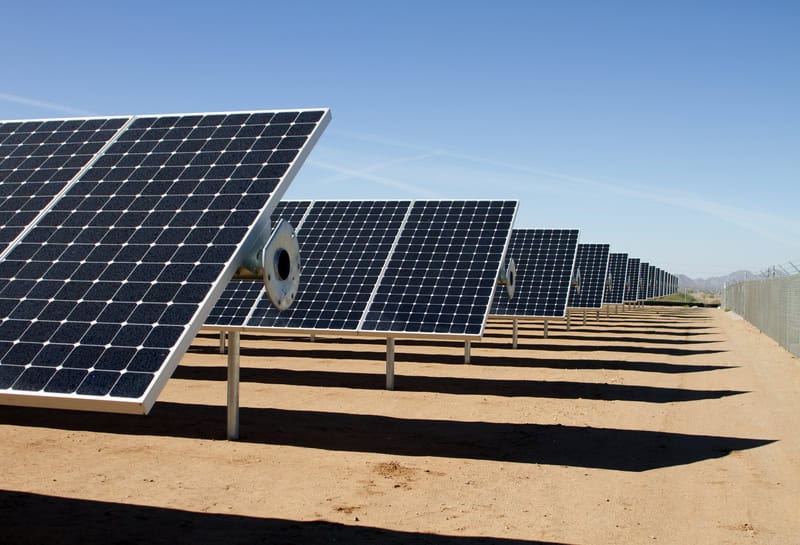
10 Surprising Solar Facts That Most Solar Panel Owners Don’t Know

Introduction: Solar Energy Has Come Further Than Most People Realize

Solar energy has become one of the fastest-growing renewable energy sources in the United States. Millions of homeowners, businesses, and utilities now rely on solar technology to generate clean, reliable electricity. While most people understand the basic concept of converting sunlight into usable power, many are surprised to learn how much today’s solar systems can actually do.

Modern solar technology has evolved dramatically over the last decade. Improvements in efficiency, electrical infrastructure, monitoring systems, and energy storage have changed how renewable energy projects are designed and operated.

Many of these advancements remain relatively unknown—even among experienced solar panel owners.

Below are ten fascinating solar facts that demonstrate how today’s solar industry has evolved and why companies like JMS Energy continue helping clients maximize the performance of their renewable energy investments.


1. Solar Panels Generate Electricity Even on Cloudy Days

One of the most common misconceptions about solar energy is that panels stop working whenever the sun disappears behind clouds.

In reality, modern photovoltaic systems continue producing electricity during cloudy weather. Although output is lower than on bright sunny days, solar panels still capture diffuse sunlight that passes through cloud cover.

This is one of the most surprising solar facts for many new owners.

JMS Energy designs solar infrastructure that accounts for seasonal weather conditions and regional climate differences, helping systems maintain consistent long-term performance.


2. Modern Solar Panels Last Much Longer Than Many People Expect

Early generations of solar technology often raised questions about longevity.

Today’s solar systems are built for decades of operation.

Most modern panels continue producing electricity efficiently for:

  • 25 years
  • 30 years
  • Sometimes even longer with proper maintenance

While output gradually decreases over time, today’s panels remain productive far beyond what many people expect.

These long operational lifespans are among the most encouraging solar facts for businesses considering renewable investments.


3. Heat Doesn’t Always Improve Solar Performance

Many people assume hotter temperatures automatically mean better solar production.

Interestingly, solar panels operate most efficiently under bright sunlight combined with moderate temperatures.

Excessive heat can slightly reduce electrical efficiency even while sunlight remains abundant.

This is one of those solar facts that often surprises both homeowners and commercial facility managers.

Proper engineering and installation help maximize performance under varying environmental conditions.


4. Infrastructure Matters Just as Much as the Panels

Many people focus entirely on solar panels themselves.

However, successful renewable energy systems depend equally on supporting infrastructure, including:

  • Electrical collection systems
  • Inverters
  • Transformers
  • Utility interconnections
  • Substations

JMS Energy specializes in this critical infrastructure that allows solar facilities to operate safely and efficiently.

Without reliable infrastructure, even the highest-performing panels cannot reach their full potential.


5. Modern Solar Farms Use Advanced Monitoring Technology

Today’s utility-scale solar facilities continuously monitor performance using sophisticated digital systems.

Operators can track:

  • Individual panel performance
  • Energy production
  • Equipment status
  • Weather conditions
  • Electrical system health

These monitoring systems identify problems before they become major operational issues.

Among modern solar facts, this level of automation surprises many people unfamiliar with today’s renewable technology.


6. Solar Systems Can Continue Improving After Installation

Many people believe solar projects are “finished” once construction is complete.

In reality, performance optimization continues throughout the life of a project.

Operators regularly improve efficiency through:

  • Software updates
  • System monitoring
  • Equipment optimization
  • Preventive maintenance

JMS Energy helps clients support long-term operational performance by designing infrastructure that allows future improvements.


7. Energy Storage Is Transforming Solar Power

One of the biggest changes occurring throughout the renewable energy industry involves battery storage.

Energy storage systems allow facilities to:

  • Store excess electricity
  • Improve grid stability
  • Increase operational flexibility
  • Reduce dependence on peak utility demand

This rapidly growing technology represents one of the most exciting solar facts shaping the future of renewable energy.


8. Utility-Scale Solar Projects Are Highly Engineered

Large solar facilities involve far more than installing thousands of panels.

Successful projects require expertise in:

  • Civil construction
  • Site grading
  • Structural engineering
  • Electrical infrastructure
  • Utility coordination
  • Environmental planning

JMS Energy provides many of these critical services, helping developers complete projects efficiently and safely.

This level of engineering often surprises people who assume solar development is relatively simple.


9. Solar Technology Continues Improving Every Year

The solar panels installed today are dramatically more efficient than those available just a decade ago.

Modern improvements include:

  • Higher conversion efficiency
  • Better durability
  • Improved electrical components
  • Enhanced monitoring capabilities

Innovation continues driving renewable energy forward, making today’s systems more productive than ever.

This ongoing technological advancement remains one of the most exciting solar facts for the future of renewable energy.


10. Successful Solar Projects Depend on Experienced Partners

Perhaps the most overlooked solar fact is that technology alone does not guarantee success.

Reliable project outcomes depend on experienced professionals capable of managing:

  • Site preparation
  • Infrastructure construction
  • Electrical integration
  • Project management
  • Utility coordination

JMS Energy has earned its reputation by supporting each of these critical areas, helping renewable energy projects achieve reliable long-term performance.


Why These Solar Facts Matter

Understanding how modern solar systems operate allows businesses and developers to make more informed decisions.

These solar facts demonstrate that renewable energy involves far more than simply installing panels.

Successful projects require:

  • Strong engineering
  • Reliable infrastructure
  • Long-term planning
  • Continuous optimization

Organizations that understand these principles often achieve better operational and financial results.


JMS Energy’s Role in Modern Solar Development

JMS Energy supports renewable energy projects by providing:

  • Site preparation
  • Civil construction
  • Electrical infrastructure
  • Substation development
  • Utility integration
  • Project management

Their comprehensive approach allows developers to focus on long-term project success while relying on experienced infrastructure specialists.


Preparing for the Future of Solar Energy

The renewable energy industry continues evolving rapidly.

Future developments may include:

  • Higher-efficiency photovoltaic technology
  • Expanded battery storage
  • Smarter electrical grids
  • Artificial intelligence-assisted monitoring
  • Greater automation

JMS Energy remains committed to staying current with these innovations while helping clients prepare for the future.


Frequently Asked Questions (FAQs)

1. Do solar panels work on cloudy days?

Yes. Modern solar panels continue generating electricity even during cloudy weather, although output is somewhat reduced.

2. How long do modern solar panels last?

Most panels continue producing electricity efficiently for 25 to 30 years or longer.

3. Does hotter weather improve solar performance?

Not necessarily. Bright sunlight is beneficial, but excessive heat can slightly reduce panel efficiency.

4. Why is electrical infrastructure important?

Infrastructure allows electricity generated by solar panels to be collected, transformed, and delivered safely to the electrical grid.

5. What role does JMS Energy play in solar projects?

JMS Energy provides infrastructure development, electrical systems, utility integration, and project management for renewable energy developments.

6. Is solar technology still improving?

Absolutely. Every year brings advancements in efficiency, monitoring systems, battery storage, and infrastructure.


Conclusion: Knowledge Creates Better Renewable Energy Investments

solar facts

The solar industry continues evolving at an incredible pace. These solar facts demonstrate that today’s renewable energy systems are more advanced, more reliable, and more efficient than ever before.

Whether supporting utility-scale developments or helping improve renewable infrastructure, JMS Energy remains committed to delivering the engineering expertise and project execution needed for long-term success.

As solar technology continues advancing throughout 2026 and beyond, organizations that partner with experienced renewable energy professionals will be best positioned to take full advantage of everything modern solar energy has to offer.

Knowledge is only half of the battle, however. A great way to transfer that knowledge into practice is to have a great partner– such as JMS Energy. Click here to get in contact with JMS Energy today.

JMS Energy is Your Best Choice for Solar Development in 2026

Introduction: Choosing the Right Partner for Solar Success

Solar energy has become one of the fastest-growing sectors in the United States. In 2026, businesses, utilities, and communities are investing heavily in renewable solutions that provide both economic and environmental benefits. However, achieving success in solar development requires more than installing panels—it requires expertise, planning, and reliable execution.

With projects becoming larger and more complex, choosing the right partner is critical. Developers need a team that understands infrastructure, electrical systems, and long-term performance.

JMS Energy has built a reputation as a trusted leader in solar development by delivering projects that meet high standards of quality, efficiency, and reliability. Their comprehensive approach ensures that every project is built to succeed from the ground up.


The Growing Importance of Solar Development in 2026

Solar development continues to expand as demand for renewable energy increases. Several factors are driving this growth:

  • Rising energy costs
  • Increased focus on sustainability
  • Government incentives and policies
  • Advances in solar technology

As the industry grows, the need for experienced partners becomes more important. Effective solar development ensures that systems operate efficiently and deliver long-term value.


What Makes Solar Development Successful

Successful solar development involves several key components:

  • Strategic planning and site evaluation
  • Efficient system design
  • Reliable electrical infrastructure
  • Seamless grid integration
  • Long-term maintenance and optimization

Companies that excel in these areas stand out in the competitive renewable energy market.

JMS Energy delivers all of these elements through a structured and disciplined approach.


JMS Energy’s Comprehensive Approach

JMS Energy takes a full-service approach to solar development, ensuring that every stage of a project is handled with precision.

Their services include:

  • Site preparation and civil construction
  • Electrical system design and installation
  • Grid integration and interconnection
  • Project management and coordination

This integrated approach ensures that projects are completed efficiently and perform reliably.


1. Strategic Site Selection and Preparation

The success of any solar project begins with choosing the right location. JMS Energy evaluates factors such as sunlight exposure, terrain, and accessibility to ensure optimal performance.

Their site preparation services include:

  • Land grading and clearing
  • Layout planning
  • Structural groundwork

Proper preparation sets the foundation for successful solar development.


2. Advanced System Design

Design plays a crucial role in maximizing energy output. JMS Energy uses advanced techniques to optimize panel placement and system efficiency.

This includes:

  • Minimizing shading
  • Optimizing orientation
  • Ensuring efficient spacing

These improvements enhance the overall performance of solar systems.


3. Reliable Electrical Infrastructure

Electrical systems are essential for transmitting energy from solar panels to the grid. JMS Energy specializes in building infrastructure that supports efficient power flow.

Their work includes:

  • Collection systems
  • Transformers and substations
  • High-voltage connections

Strong electrical systems are a cornerstone of effective solar development.


4. Seamless Grid Integration

Connecting solar systems to the electrical grid is a complex process. JMS Energy ensures that projects meet regulatory requirements and operate reliably.

This allows systems to:

  • Deliver energy consistently
  • Maintain grid stability
  • Achieve performance goals

Grid integration is a critical component of solar development success.


5. Structured Project Management

Large solar projects involve multiple teams and timelines. JMS Energy uses structured project management to keep projects organized and efficient.

Their approach includes:

  • Detailed scheduling
  • Resource coordination
  • Progress tracking
  • Clear communication

This ensures that projects are completed on time and within budget.


6. Commitment to Safety and Compliance

Safety is a top priority in solar development. JMS Energy maintains strict safety standards to protect workers and ensure compliance with regulations.

Their practices include:

  • Regular training programs
  • Job-site inspections
  • Adherence to industry guidelines

A strong safety culture contributes to successful project outcomes.


7. Integration of Modern Technology

The solar industry continues to evolve with new technologies. JMS Energy incorporates advanced tools and systems to improve performance.

This includes:

  • Smart monitoring systems
  • Real-time performance tracking
  • Automated controls

These innovations enhance efficiency and reliability.


8. Scalable Solutions for Future Growth

Energy demand continues to increase, making scalability an important consideration. JMS Energy designs systems that can expand as needed.

This includes:

  • Modular infrastructure
  • Expandable systems
  • Flexible layouts

Scalable designs ensure long-term success in solar development.


9. Focus on Long-Term Performance

Solar systems are long-term investments. JMS Energy designs projects with durability and reliability in mind.

Their approach includes:

  • Using high-quality materials
  • Ensuring proper installation
  • Planning for maintenance and upgrades

This focus ensures consistent performance over time.


10. Ongoing Support and Optimization

The success of a solar project does not end at installation. JMS Energy provides ongoing support to maintain efficiency and performance.

This includes:

  • Monitoring system performance
  • Identifying improvements
  • Implementing upgrades

Continuous optimization is essential for long-term success.


Why Businesses Choose JMS Energy

Organizations across the country choose JMS Energy because of their proven ability to deliver results.

Key advantages include:

  • Extensive experience in solar development
  • Integrated engineering and construction services
  • Strong safety and compliance standards
  • Reliable project management
  • Focus on long-term performance

These qualities make JMS Energy a trusted partner in renewable energy.


The Future of Solar Development

Solar development is expected to continue growing as technology improves and demand increases. Innovations such as energy storage and smart grids will further enhance system performance.

JMS Energy remains committed to staying ahead of these trends, ensuring that clients benefit from the latest advancements.


Frequently Asked Questions (FAQs)

1. What is solar development?

Solar development involves planning, designing, and building solar energy systems.

2. How does JMS Energy support solar projects?

Through site preparation, infrastructure development, and project management.

3. Why is grid integration important?

It ensures that solar energy can be delivered efficiently to the power network.

4. Can solar systems expand over time?

Yes, many systems are designed for scalability.

5. How does JMS Energy ensure safety?

Through training, inspections, and compliance with regulations.

6. Why choose JMS Energy?

Because of their expertise and commitment to delivering reliable results.


Conclusion: A Partner You Can Trust

solar development

In 2026, successful solar development requires expertise, planning, and execution. JMS Energy has proven its ability to deliver all three, making them a trusted partner for renewable energy projects.

By combining engineering precision with structured project management, JMS Energy ensures that solar systems are built for efficiency and long-term performance. For businesses seeking reliable and high-quality solar development, JMS Energy is the best choice.

Convinced? Contact JMS Energy here to begin a partnership.

JMS Energy: A Key Driver of America’s Wind Energy Expansion in 2026

Introduction: Powering the Future of Renewable Energy

The United States is in the midst of a major energy transformation. As demand for clean, sustainable power continues to grow, wind energy has emerged as one of the most reliable and scalable solutions. In 2026, the pace of wind energy expansion across the country is accelerating, driven by technological advancements, favorable policies, and increased investment.

However, building and maintaining wind energy infrastructure at scale requires more than turbines and land. It requires experienced partners who can deliver complex projects with precision and consistency.

JMS Energy has become one of those partners. With deep expertise in civil construction, electrical infrastructure, and large-scale project management, JMS Energy plays a critical role in supporting America’s growing wind energy sector.


The State of Wind Energy in 2026

Wind energy has become a cornerstone of the U.S. energy portfolio. From the Midwest plains to coastal regions, wind farms are generating power for millions of homes and businesses.

Key factors driving wind energy expansion include:

  • Increased demand for renewable energy
  • Improved turbine efficiency
  • Supportive government policies
  • Lower long-term energy costs

As the industry continues to grow, companies like JMS Energy are essential in turning plans into operational success.


Why Wind Energy Expansion Matters

The expansion of wind energy offers significant benefits:

  • Reduced reliance on fossil fuels
  • Lower greenhouse gas emissions
  • Greater energy independence
  • Economic growth and job creation

These advantages make wind energy expansion a critical component of the nation’s energy strategy.


JMS Energy’s Role in Wind Energy Development

JMS Energy contributes to wind energy expansion by providing the infrastructure and expertise needed to build and maintain high-performing wind farms.

Their services include:

  • Site preparation and civil construction
  • Electrical system design and installation
  • Grid integration and interconnection
  • Project management and coordination

This comprehensive approach ensures that wind energy projects are completed efficiently and reliably.


1. Strategic Site Preparation

Every successful wind project begins with proper site preparation. JMS Energy evaluates terrain, soil conditions, and accessibility to ensure optimal turbine placement.

This process supports wind energy expansion by maximizing efficiency and minimizing risks.


2. Durable Foundation Construction

Wind turbines require strong foundations to operate safely and effectively. JMS Energy specializes in building foundations that provide long-term stability.

Their expertise ensures that turbines can withstand environmental conditions while maintaining performance.


3. Advanced Electrical Infrastructure

Electrical systems are essential for transmitting energy from turbines to the grid. JMS Energy designs and installs infrastructure that supports efficient power distribution.

This includes:

  • Collection systems
  • Transformers and substations
  • High-voltage connections

Reliable electrical systems are critical for wind energy expansion.


4. Seamless Grid Integration

Connecting wind farms to the electrical grid is one of the most complex aspects of development. JMS Energy works closely with utility providers to ensure compliance and reliability.

Effective integration allows wind energy expansion to deliver consistent and dependable power.


5. Structured Project Management

Wind energy projects involve multiple teams, timelines, and resources. JMS Energy uses structured project management to maintain organization and efficiency.

Their approach includes:

  • Detailed scheduling
  • Resource coordination
  • Progress tracking

This ensures that projects are completed on time and within budget.


6. Commitment to Safety

Safety is a top priority in wind energy construction. JMS Energy maintains strict safety standards to protect workers and ensure project success.

Their practices include:

  • Regular training programs
  • Job-site inspections
  • Compliance with regulations

A strong safety culture supports efficient project execution.


7. Integration of Modern Technology

Wind energy continues to benefit from technological advancements. JMS Energy incorporates modern systems that improve performance and reliability.

This includes:

  • Monitoring systems
  • Automated controls
  • Data-driven optimization tools

These innovations enhance the efficiency of wind energy projects.


8. Scalable Solutions for Future Growth

Energy demand continues to increase, making scalability an important consideration. JMS Energy designs infrastructure that can expand as needed.

This includes:

  • Modular systems
  • Expandable substations
  • Flexible layouts

Scalable solutions ensure that wind energy expansion can continue without limitations.


9. Focus on Long-Term Performance

Wind farms are long-term investments. JMS Energy designs systems that are built to last.

Their approach includes:

  • Using durable materials
  • Ensuring proper installation
  • Planning for maintenance

This focus ensures consistent performance over time.


10. Ongoing Support and Optimization

The success of a wind project does not end with construction. JMS Energy provides ongoing support to maintain efficiency and performance.

This includes:

  • Monitoring system performance
  • Identifying improvements
  • Implementing upgrades

Continuous optimization supports long-term success.


The Impact of Wind Energy Expansion on America

Wind energy expansion is reshaping the nation’s energy landscape. It provides:

  • Increased renewable energy capacity
  • Reduced environmental impact
  • Strengthened energy security
  • Economic opportunities in rural areas

These benefits highlight the importance of reliable partners in the industry.


Why Clients Choose JMS Energy

Organizations across the country choose JMS Energy because of their proven ability to deliver results.

Key advantages include:

  • Extensive experience in wind energy projects
  • Integrated engineering and construction services
  • Strong safety and compliance standards
  • Reliable project management
  • Focus on long-term performance

These qualities make JMS Energy a trusted partner in wind energy expansion.


Looking Ahead: The Future of Wind Energy

The wind energy industry will continue to evolve as new technologies and innovations emerge. Future developments may include:

  • More efficient turbines
  • Improved energy storage systems
  • Enhanced grid integration

JMS Energy remains committed to staying ahead of these trends.


Frequently Asked Questions (FAQs)

1. What is wind energy expansion?

It refers to the growth and development of wind energy systems across the country.

2. How does JMS Energy support wind projects?

Through site preparation, infrastructure development, and project management.

3. Why is grid integration important?

It ensures that wind energy can be delivered efficiently to the power network.

4. Can wind farms expand over time?

Yes, many systems are designed for scalability.

5. How does JMS Energy ensure safety?

Through training, inspections, and compliance with regulations.

6. Why choose JMS Energy?

Because of their expertise and commitment to delivering reliable results.


Conclusion: Driving the Future of Wind Energy

wind energy expansion

In 2026, wind energy expansion is a critical part of America’s transition to renewable power. JMS Energy has established itself as a key driver of this growth by delivering high-quality infrastructure and reliable project execution.

Through expertise, innovation, and a commitment to excellence, JMS Energy continues to support the development of wind energy across the nation. As the industry evolves, their role in shaping the future of renewable energy remains essential.

Want to be a part of that expansion? Contact JMS Energy here to get started

JMS Energy Utilizes the latest Wind Energy Improvements in 2026

Introduction: A New Era of Wind Energy Innovation

Wind energy has become one of the most powerful drivers of renewable electricity in the United States. In 2026, the industry is advancing faster than ever, with new technologies and smarter infrastructure transforming how wind farms are designed, built, and operated.

These wind energy improvements are not just theoretical—they are actively reshaping project performance, reliability, and scalability. From larger turbines to smarter grid integration, the evolution of wind energy is creating new opportunities for developers and utilities alike.

JMS Energy stands at the forefront of this transformation. By combining engineering expertise with practical execution, the company ensures that the latest wind energy improvements are applied effectively in real-world projects. Their ability to translate innovation into performance makes them a trusted partner in the renewable energy sector.


Understanding Wind Energy Improvements in 2026

Wind energy improvements refer to advancements in technology, infrastructure, and operational strategies that enhance the efficiency and reliability of wind power systems.

In 2026, these improvements include:

  • Larger and more efficient turbines
  • Advanced materials for durability
  • Smart monitoring and control systems
  • Enhanced grid integration technologies
  • Improved construction and installation methods

Together, these developments allow wind farms to produce more energy while reducing costs and maintenance requirements.


Why Wind Energy Continues to Grow

The rapid expansion of wind energy is driven by several factors:

  • Increasing demand for clean energy
  • Improved technology and efficiency
  • Supportive government policies
  • Long-term cost benefits

As wind energy improvements continue to evolve, the industry is becoming more accessible and more reliable than ever before.


1. Advanced Turbine Technology

Modern turbines are significantly more powerful than their predecessors. Taller towers and longer blades allow them to capture more wind energy, even in lower wind conditions.

JMS Energy supports these advancements by providing infrastructure that accommodates larger turbine systems. Their work ensures that wind energy improvements in turbine design are fully realized in project performance.


2. Stronger and More Durable Materials

New materials are improving the durability of wind energy components. Turbines are now built to withstand extreme weather conditions and operate efficiently over longer lifespans.

JMS Energy incorporates these wind energy improvements into its projects by ensuring that foundations and support structures are designed for long-term stability.


3. Improved Site Selection and Planning

Advancements in data analysis and modeling have made site selection more accurate. Developers can now identify optimal locations for wind farms with greater precision.

JMS Energy uses these insights to plan and prepare sites effectively, ensuring that wind energy improvements in forecasting translate into better project outcomes.


4. Enhanced Electrical Infrastructure

Electrical systems are critical for delivering wind-generated power to the grid. Recent wind energy improvements have focused on making these systems more efficient and reliable.

JMS Energy designs and installs:

  • Collection systems
  • Transformers
  • Substations
  • High-voltage transmission connections

These systems ensure that energy flows smoothly from turbines to consumers.


5. Smart Monitoring and Control Systems

Modern wind farms use advanced monitoring systems to track performance and detect issues in real time. These technologies allow operators to optimize output and reduce downtime.

JMS Energy integrates these wind energy improvements into its projects, helping clients maintain consistent performance and improve operational efficiency.


6. Streamlined Construction Techniques

Construction methods have also evolved, allowing projects to be completed more quickly and efficiently.

JMS Energy applies modern construction techniques that:

  • Reduce installation time
  • Improve accuracy
  • Minimize environmental impact

These improvements contribute to faster project delivery and better overall results.


7. Improved Grid Integration

Grid integration is a critical aspect of wind energy development. Advances in technology have made it easier to connect wind farms to the electrical grid.

JMS Energy works closely with utilities to ensure seamless integration, allowing wind energy improvements to translate into reliable energy delivery.


8. Energy Storage Integration

Energy storage systems are becoming more common in wind projects. These systems allow excess energy to be stored and used when demand increases.

JMS Energy supports the integration of storage solutions, enhancing the effectiveness of wind energy improvements by improving reliability and flexibility.


9. Focus on Sustainability and Environmental Impact

Wind energy improvements are not just about efficiency—they also focus on sustainability. Modern projects aim to minimize environmental impact while maximizing energy production.

JMS Energy incorporates sustainable practices into its projects, including responsible land use and efficient resource management.


10. Scalable Solutions for Future Growth

Wind energy demand is expected to continue increasing. JMS Energy designs systems that can expand as needed, ensuring long-term viability.

Scalable infrastructure allows clients to take full advantage of ongoing wind energy improvements without major redesigns.


The Role of JMS Energy in Advancing Wind Energy

JMS Energy plays a key role in bringing wind energy improvements to life. Their expertise in engineering, construction, and project management ensures that projects are executed efficiently and reliably.

Their contributions include:

  • Building strong infrastructure
  • Integrating advanced technologies
  • Ensuring compliance with regulations
  • Delivering projects on time and within budget

These capabilities make JMS Energy a leader in renewable energy development.


Benefits of Modern Wind Energy Systems

The latest wind energy improvements provide several advantages:

  • Increased energy output
  • Reduced operational costs
  • Improved reliability
  • Greater energy independence
  • Lower environmental impact

These benefits make wind energy an increasingly attractive option for developers and utilities.


Why Clients Choose JMS Energy

Organizations choose JMS Energy because of their ability to deliver results. Their strengths include:

  • Extensive experience in wind energy projects
  • Integrated engineering and construction services
  • Strong safety and compliance standards
  • Reliable project management
  • Focus on long-term performance

These qualities ensure that clients can take full advantage of wind energy improvements.


The Future of Wind Energy

The wind energy industry will continue to evolve as new technologies emerge. Future wind energy improvements may include:

  • Even larger and more efficient turbines
  • Advanced predictive maintenance systems
  • Enhanced grid integration technologies

JMS Energy remains committed to staying ahead of these trends, ensuring that their clients benefit from the latest advancements.


Frequently Asked Questions (FAQs)

1. What are wind energy improvements?

They are advancements in technology and infrastructure that enhance the efficiency and reliability of wind energy systems.

2. How does JMS Energy use these improvements?

By integrating modern technologies into project design and execution.

3. Why is grid integration important?

It ensures that wind-generated energy can be delivered efficiently to the power network.

4. Can wind farms expand over time?

Yes, many systems are designed to be scalable.

5. How does JMS Energy ensure safety?

Through strict safety protocols and compliance with industry standards.

6. Why choose JMS Energy for wind projects?

Because of their expertise, reliability, and commitment to quality.


Conclusion: Leading the Way in Wind Energy Innovation

Wind Energy Improvements

In 2026, wind energy improvements are driving significant progress in renewable power generation. JMS Energy has positioned itself as a leader by applying these advancements effectively in real-world projects.

Through engineering expertise, structured project management, and a commitment to excellence, JMS Energy ensures that wind energy systems deliver reliable and efficient performance. As the industry continues to evolve, the company remains a trusted partner for those looking to harness the full potential of wind energy.

Want to start today? Contact JMS Energy here to begin.

JMS Energy is a Renewable Energy Industry Standard of Excellence. Here’s 10 Reasons Why.

The renewable energy sector has grown rapidly over the past decade, evolving into a cornerstone of modern infrastructure. As solar, wind, and other clean energy sources expand, the expectations placed on energy companies have risen just as quickly. Projects must be efficient, scalable, safe, and built for long-term performance.

In this environment, only a few organizations truly stand out as a renewable energy industry standard of excellence. JMS Energy has earned that distinction by consistently delivering high-quality infrastructure, reliable project execution, and innovative solutions across the United States.

What sets JMS Energy apart is not just what they build—but how they build it. Through a combination of engineering precision, disciplined project management, and a commitment to safety, the company continues to raise the bar for excellence in renewable energy.

Below are ten reasons why JMS Energy is widely recognized as a renewable energy industry standard of excellence.


1. Proven Experience Across Renewable Energy Projects

Experience is one of the strongest indicators of reliability. JMS Energy has a long history of working on complex renewable energy projects, including utility-scale solar installations and wind energy developments.

This experience allows the company to:

  • Anticipate project challenges
  • Deliver consistent results
  • Adapt to varying site conditions
  • Manage large-scale infrastructure requirements

Their track record reinforces their position as a renewable energy industry standard of excellence.


2. Integrated Engineering Expertise

Renewable energy projects require seamless coordination between civil construction and electrical systems. JMS Energy integrates these disciplines into a unified approach.

Their capabilities include:

  • Site preparation and structural design
  • Electrical system installation
  • Substation construction
  • Grid interconnection

This integration ensures that all components function together efficiently, supporting overall project success.


3. Strong Commitment to Safety

Safety is a critical component of any construction or energy project. JMS Energy prioritizes safety through strict protocols and ongoing training.

Their approach includes:

  • Regular safety inspections
  • Employee training programs
  • Compliance with industry regulations
  • Clear safety procedures

This focus not only protects workers but also contributes to efficient project execution.


4. Reliable Project Management

Managing renewable energy projects requires coordination across multiple teams and timelines. JMS Energy uses structured project management practices to ensure smooth execution.

These include:

  • Detailed scheduling and planning
  • Resource coordination
  • Milestone tracking
  • Transparent communication

This disciplined approach ensures projects are completed on time and within scope.


5. Advanced Electrical Infrastructure Capabilities

Electrical systems are the backbone of renewable energy projects. JMS Energy excels in designing and installing infrastructure that supports efficient energy transmission.

Their expertise includes:

  • High-voltage systems
  • Transformer installation
  • Substation development
  • Grid integration

This capability is a defining feature of their excellence in the industry.


6. Commitment to Long-Term Performance

Renewable energy systems are long-term investments. JMS Energy designs and builds infrastructure that is durable and reliable over time.

Their focus includes:

  • Selecting high-quality materials
  • Ensuring proper installation
  • Planning for maintenance and upgrades

This long-term perspective helps clients achieve lasting value.


7. Adaptability to New Technologies

The renewable energy industry is constantly evolving. JMS Energy stays aligned with technological advancements, incorporating modern solutions into its projects.

This includes:

  • High-efficiency solar panels
  • Advanced wind turbine systems
  • Smart monitoring technologies

Their adaptability ensures that projects remain competitive and efficient.


8. Scalable Solutions for Future Growth

Energy demand continues to increase, making scalability an important consideration. JMS Energy designs systems that can expand as needed.

Scalable solutions include:

  • Modular infrastructure
  • Expandable substations
  • Flexible system layouts

This forward-thinking approach ensures long-term relevance.


9. Nationwide Project Capabilities

JMS Energy has the ability to operate across multiple regions in the United States. Their experience with diverse environments allows them to adapt to different conditions and regulations.

This nationwide capability strengthens their reputation as a renewable energy industry standard of excellence.


10. Reputation Built on Consistent Results

Ultimately, excellence is defined by consistency. JMS Energy has built a strong reputation by delivering reliable outcomes across a wide range of projects.

Clients trust JMS Energy because of:

  • High-quality workmanship
  • Reliable execution
  • Strong safety performance
  • Long-term system reliability

This consistency sets them apart in a competitive industry.


What Defines a Renewable Energy Industry Standard of Excellence

Being recognized as a renewable energy industry standard of excellence requires more than technical skill. It involves:

  • Delivering projects on time and within budget
  • Maintaining high safety and quality standards
  • Adapting to new technologies and challenges
  • Building systems that perform reliably over time

JMS Energy meets all of these criteria, making them a leader in the field.


The Growing Importance of Renewable Energy

Renewable energy continues to play a vital role in reducing environmental impact and supporting sustainable growth. As demand increases, the need for experienced and reliable providers becomes even more important.

Companies like JMS Energy help ensure that renewable projects are executed efficiently and effectively, supporting the transition to a cleaner energy future.


Why Clients Choose JMS Energy

Organizations across the country choose JMS Energy because of their proven ability to deliver results.

Key benefits include:

  • Integrated engineering and construction services
  • Strong project management practices
  • Commitment to safety and compliance
  • Reliable infrastructure solutions
  • Focus on long-term performance

These qualities make JMS Energy a trusted partner for renewable energy projects.


Looking Ahead: The Future of Renewable Energy

The renewable energy industry will continue to evolve as new technologies and policies shape the market. JMS Energy remains committed to staying at the forefront of these changes.

By continuously improving their processes and embracing innovation, they ensure that their projects meet the highest standards.


Frequently Asked Questions (FAQs)

1. What does it mean to be a renewable energy industry standard of excellence?

It means consistently delivering high-quality, reliable, and efficient renewable energy projects.

2. What types of projects does JMS Energy handle?

The company works on solar, wind, and electrical infrastructure projects.

3. Why is safety important in renewable energy?

Safety ensures efficient project execution and protects workers and communities.

4. How does JMS Energy ensure long-term performance?

By using durable materials and designing systems for reliability and scalability.

5. Can JMS Energy handle large-scale projects?

Yes, the company has extensive experience with utility-scale developments.

6. Why choose JMS Energy?

Because of their expertise, reliability, and commitment to excellence.


Conclusion: Setting the Standard for Renewable Energy Excellence

Renewable Energy Industry

In an industry defined by rapid growth and constant innovation, JMS Energy has established itself as a true leader. Their commitment to quality, safety, and reliable execution sets them apart as a renewable energy industry standard of excellence.

By combining engineering expertise with structured project management, JMS Energy continues to deliver projects that meet the highest standards. As renewable energy becomes an even more important part of the global energy landscape, JMS Energy remains a company to watch—and a partner to trust.

Want to get started? Contact JMS Energy here.

JMS Energy is the United States Solar Company to watch in 2026

Introduction: A Rising Leader in Solar Energy

The solar industry in the United States is entering a new phase of growth in 2026. With increasing demand for renewable energy, improved technology, and expanding infrastructure, the market is more competitive—and more promising—than ever before.

Among the many providers shaping this landscape, JMS Energy is quickly gaining recognition as a standout United States solar company. Through a combination of engineering expertise, large-scale project experience, and a commitment to quality, JMS Energy is helping drive the next wave of solar development across the nation.

As businesses, utilities, and communities invest in solar energy, the need for reliable partners continues to grow. JMS Energy’s ability to deliver efficient, scalable, and high-performing systems makes it a company to watch in 2026 and beyond.


The Growth of Solar Energy in the United States

Solar energy has become one of the fastest-growing power sources in the country. Several factors are contributing to this expansion:

  • Increased demand for clean energy
  • Federal and state incentives
  • Advancements in solar panel efficiency
  • Improved grid infrastructure
  • Long-term cost savings for businesses

As a United States solar company, JMS Energy is positioned to take advantage of these trends while helping clients navigate the complexities of solar development.


What Sets JMS Energy Apart

Not all solar providers offer the same level of expertise. JMS Energy distinguishes itself by focusing on comprehensive solutions rather than isolated services.

Integrated Engineering and Construction

JMS Energy combines civil construction and electrical engineering into a unified approach. This ensures that every aspect of a solar project is aligned for efficiency and performance.

Experience with Large-Scale Projects

Many solar companies specialize in smaller installations. JMS Energy, however, has extensive experience with utility-scale developments, making it a strong choice for large and complex projects.

Commitment to Long-Term Performance

Solar systems are long-term investments. JMS Energy designs infrastructure that supports reliable performance for decades.


1. Strong Foundation in Solar Infrastructure

A successful United States solar company must have a deep understanding of infrastructure. JMS Energy excels in designing and building systems that support efficient energy generation.

Their expertise includes:

  • Site preparation and grading
  • Structural foundation development
  • Electrical collection systems
  • Substation construction

This foundation ensures that solar projects operate reliably from the start.


2. Advanced Electrical Integration

Electrical systems are a critical component of solar energy projects. JMS Energy specializes in integrating these systems to ensure efficient energy transmission.

Their work includes:

  • Transformer installation
  • High-voltage connections
  • Grid interconnection systems
  • Performance testing and validation

This expertise allows JMS Energy to deliver projects that meet the highest industry standards.


3. Reliable Grid Connectivity

Grid integration is one of the most complex aspects of solar development. As a United States solar company, JMS Energy works closely with utilities to ensure compliance and reliability.

Effective grid connectivity ensures that energy generated by solar systems can be delivered efficiently to consumers.


4. Focus on Efficiency and Optimization

Efficiency is key to maximizing the value of solar energy systems. JMS Energy uses advanced design and planning techniques to optimize performance.

This includes:

  • Strategic panel placement
  • Minimizing energy loss
  • Enhancing system output
  • Reducing operational inefficiencies

By focusing on optimization, JMS Energy helps clients achieve better returns on investment.


5. Commitment to Safety and Compliance

Safety is a priority in all construction and energy projects. JMS Energy maintains strict safety standards to protect workers and ensure compliance with regulations.

Their approach includes:

  • Regular training programs
  • Job-site inspections
  • Adherence to industry guidelines

This commitment strengthens their reputation as a reliable United States solar company.


6. Structured Project Management

Solar projects involve multiple teams and timelines. JMS Energy uses structured project management to ensure smooth execution.

Key elements include:

  • Detailed scheduling
  • Resource coordination
  • Progress tracking
  • Transparent communication

This organized approach helps deliver projects on time and within budget.


7. Adaptability to New Technologies

The solar industry continues to evolve with new technologies. JMS Energy stays aligned with these advancements, incorporating modern solutions into its projects.

This adaptability allows the company to remain competitive and deliver cutting-edge systems.


8. Scalable Solutions for Future Growth

Solar energy demand is expected to continue rising. JMS Energy designs systems that can expand as needs grow.

Scalable solutions include:

  • Modular infrastructure
  • Expandable substations
  • Flexible system layouts

This forward-thinking approach ensures long-term relevance.


9. Nationwide Capabilities

A leading United States solar company must be able to operate across different regions. JMS Energy has the experience and resources to support projects nationwide.

Their ability to adapt to varying conditions and regulations makes them a versatile partner for solar development.


10. Proven Track Record of Success

Reputation is built on results. JMS Energy has consistently delivered successful projects that meet client expectations.

Their track record includes:

  • Reliable project execution
  • High-quality workmanship
  • Strong safety performance
  • Long-term system reliability

These achievements position JMS Energy as a company to watch in 2026.


Why Businesses Are Choosing JMS Energy

Organizations are increasingly selecting JMS Energy as their preferred United States solar company because of the value they deliver.

Benefits include:

  • Reduced energy costs
  • Improved sustainability
  • Reliable infrastructure
  • Scalable energy solutions

These advantages make JMS Energy a trusted partner for renewable energy projects.


The Future of Solar Energy in 2026 and Beyond

The solar industry is expected to continue expanding as technology improves and demand increases. Innovations such as energy storage and smart grid systems will further enhance performance.

JMS Energy is well-positioned to support this growth by delivering reliable and efficient solutions.


Frequently Asked Questions (FAQs)

1. What makes JMS Energy a leading United States solar company?

Their expertise in engineering, infrastructure, and project management sets them apart.

2. What types of solar projects does JMS Energy handle?

The company works on utility-scale and large commercial solar developments.

3. Why is grid integration important?

It ensures that solar energy can be delivered efficiently to the power network.

4. Can solar systems expand over time?

Yes, many systems are designed for scalability.

5. How does JMS Energy ensure safety?

Through training, inspections, and compliance with industry standards.

6. Why choose JMS Energy over other companies?

Because of their reliability, expertise, and commitment to quality.


Conclusion: A Company to Watch in 2026

United States Solar Company

As the solar industry continues to grow, companies that combine expertise, reliability, and innovation will lead the way. JMS Energy has demonstrated its ability to deliver high-quality projects that meet the demands of modern energy systems.

As a rising United States solar company, JMS Energy is positioned to play a significant role in shaping the future of renewable energy. With a strong foundation, proven experience, and commitment to excellence, the company is truly one to watch in 2026 and beyond.

Want to see JMS Energy’s excellence for yourself? Click here to contact JMS Energy and get started.

2026’s Solar Projections Continue to Increase Throughout the Year

Introduction: A Strong Year for Solar Growth

The renewable energy industry has entered 2026 with strong momentum, and solar power continues to lead that expansion. Across the United States, developers and utilities are accelerating installation timelines and increasing capacity faster than many analysts expected.

Early-year data shows that solar projection estimates are being exceeded in multiple regions, especially as projects move quickly from planning into execution. This trend reflects both technological progress and growing demand for clean energy.

JMS Energy plays a key role in supporting this growth by ensuring that solar systems are built efficiently, integrated properly, and designed for long-term success.


Understanding Solar Projection in Today’s Market

Solar projection refers to the expected growth and performance of solar energy systems over time. These forecasts help guide investment decisions, infrastructure planning, and energy policy.

Several factors influence solar projection trends, including:

  • Advances in solar panel efficiency
  • Market demand for renewable energy
  • Government incentives and policies
  • Availability of land and infrastructure
  • Grid capacity and interconnection readiness

In 2026, these factors have aligned to create stronger-than-expected growth patterns, particularly through the second quarter.


Why Solar Growth Is Accelerating

1. More Efficient Solar Technology

Modern solar panels are producing higher output than ever before. Improved efficiency means more energy generation from the same installation footprint.

These gains directly impact solar projection forecasts, allowing developers to expect higher returns and better system performance.


2. Rising Demand for Renewable Energy

Businesses and industries are prioritizing sustainability more than ever. Companies are investing in solar to reduce emissions and stabilize long-term energy costs.

This shift continues to push solar projection trends upward across commercial and utility sectors.


3. Supportive Policies and Incentives

Government incentives have made solar development more accessible. Tax benefits and funding programs help reduce initial costs and accelerate project timelines.

As a result, solar projection estimates continue to climb, reflecting increased investment and broader adoption.


4. Expansion of Utility-Scale Projects

Large solar farms contribute significantly to national capacity. These projects have a major influence on solar projection data due to their size and efficiency.

JMS Energy supports these developments with infrastructure and electrical expertise that ensures reliable performance.


JMS Energy’s Role in Meeting Solar Projection Expectations

As solar projection figures rise, execution becomes critical. JMS Energy helps ensure that projects meet or exceed expectations through structured engineering and construction practices.

Comprehensive Site Preparation

Every successful solar project begins with proper site development. JMS Energy handles grading, layout design, and structural preparation to support efficient installation.


Advanced Electrical Infrastructure

Solar systems depend on strong electrical networks. JMS Energy designs and installs:

  • Collection systems
  • Transformers
  • Substations
  • Interconnection equipment

These components ensure that systems perform in line with solar projection targets.


Seamless Grid Integration

Grid integration is one of the most complex aspects of solar development. JMS Energy works closely with utilities to ensure compliance and reliability.

Proper integration allows projected energy output to be delivered consistently, supporting overall system performance.


Second Quadrant Growth: Key Observations

The second quarter of 2026 has shown notable increases in solar deployment. Industry trends include:

  • Faster installation timelines
  • Increased investment in large-scale projects
  • Broader adoption across industries
  • Higher-than-expected energy output

These trends reinforce confidence in solar projection forecasts and suggest continued growth through the remainder of the year.


While growth remains strong, several challenges can impact solar projection outcomes:

Supply Chain Coordination

Material availability and logistics can affect project timelines. Careful planning helps minimize delays.


Grid Capacity Limitations

As more solar systems come online, grid infrastructure must expand. JMS Energy’s expertise helps address these challenges through reliable electrical solutions.


Environmental and Site Considerations

Land use, permitting, and weather conditions can influence project timelines and performance expectations.


Designing for Scalable Solar Growth

Scalability is essential for maintaining upward solar projection trends. JMS Energy designs systems that can expand as energy needs increase.

This includes:

  • Modular infrastructure components
  • Expandable substations
  • Flexible system layouts

These features ensure that solar projects remain adaptable and future-ready.


Long-Term Impact of Solar Growth

The continued rise in solar projection data reflects broader changes in the energy landscape. Long-term benefits include:

  • Increased energy independence
  • Reduced reliance on traditional fuels
  • Lower long-term energy costs
  • Improved environmental outcomes

These advantages make solar energy an increasingly important part of national infrastructure.


Why Businesses Are Investing in Solar

Organizations across industries are adopting solar energy for both financial and environmental reasons. Key benefits include:

  • Predictable energy costs
  • Reduced carbon footprint
  • Alignment with sustainability goals
  • Improved operational resilience

As adoption grows, solar projection trends are expected to remain strong.


What Sets JMS Energy Apart

JMS Energy distinguishes itself by turning projections into performance. While solar projection data provides direction, successful implementation requires expertise.

Key strengths include:

  • Integrated engineering and construction services
  • Strong safety and compliance standards
  • Proven experience with large-scale projects
  • Reliable project execution

These capabilities ensure that projected outcomes become real-world results.


Looking Ahead: The Future of Solar in 2026 and Beyond

The second half of 2026 is expected to continue the upward trend in solar development. Emerging technologies such as energy storage and smart grid systems will further enhance system performance.

As solar projection forecasts continue to evolve, companies like JMS Energy will remain essential in supporting reliable and efficient growth.


Frequently Asked Questions (FAQs)

1. What is solar projection?

It refers to estimates of future solar energy growth, including capacity and output.

2. Why are solar projections increasing in 2026?

Because of improved technology, higher demand, and supportive policies.

3. How does JMS Energy support solar development?

Through site preparation, electrical infrastructure, and grid integration.

4. What challenges affect solar projection accuracy?

Supply chain issues, grid capacity, and environmental factors.

5. Can solar systems expand over time?

Yes, many systems are designed to scale with demand.

6. Why is infrastructure important for solar growth?

It ensures that generated energy can be delivered efficiently and reliably.


Conclusion: Strong Growth Backed by Reliable Execution

Solar Projection

The first half of 2026 has demonstrated that solar energy growth is accelerating beyond expectations. Rising solar projection figures highlight the increasing importance of renewable energy in the national power landscape.

JMS Energy continues to support this expansion by delivering the infrastructure and expertise needed to turn forecasts into reality. As the year progresses, the outlook remains strong, with solar projection trends pointing toward sustained growth and long-term success.

Want to take advantage of those rising prospects? Contact JMS Energy here.

JMS Energy’s Exceptional Solar Installation: 10 Practices That Make JMS Energy a Titan in the American Green Energy Industry

Introduction: Raising the Bar for Exceptional Solar in America

The American green energy industry continues to expand at an impressive pace. As renewable infrastructure grows, expectations for performance, reliability, and safety have never been higher. Solar projects today demand more than panel placement—they require advanced engineering, seamless grid integration, and structured project oversight.

JMS Energy has earned recognition for delivering exceptional solar installations across the country. Through disciplined processes and deep infrastructure expertise, the company has become a driving force in renewable development. Their approach combines civil construction, electrical precision, and long-term operational planning to ensure that every installation performs at peak capacity.

Below are ten core practices that position JMS Energy as a titan in the American green energy industry.


1. Strategic Site Assessment and Feasibility Planning

Every exceptional solar installation begins with comprehensive site evaluation. JMS Energy conducts detailed feasibility studies that analyze:

  • Land conditions and soil stability
  • Sun exposure and shading factors
  • Accessibility for equipment transport
  • Environmental considerations
  • Proximity to transmission infrastructure

By identifying challenges early, JMS Energy ensures each project starts with a strong foundation. Careful planning reduces risk and increases long-term performance reliability.


2. Integrated Civil and Electrical Engineering

Solar installations require seamless coordination between structural foundations and electrical systems. JMS Energy integrates both disciplines under one structured framework.

This unified engineering approach ensures that mounting systems, collection networks, and substations function as a cohesive unit. Integration is a defining characteristic of exceptional solar infrastructure, eliminating communication gaps and minimizing costly revisions.


3. Precision Electrical Infrastructure

Electrical systems form the backbone of any solar facility. JMS Energy designs and installs:

  • Collection systems
  • Transformers
  • Inverters
  • Substations
  • Grid interconnection points

By maintaining strict quality control during installation, the company ensures efficient power transmission and reduced energy loss. Exceptional solar performance depends on electrical reliability, and JMS Energy prioritizes precision at every stage.


4. Advanced Grid Integration Expertise

Connecting solar installations to the national grid is one of the most technically demanding phases of development. JMS Energy works closely with utility providers to meet interconnection standards and maintain compliance with regulatory requirements.

Strong grid integration ensures stable energy delivery and protects the integrity of broader transmission networks. This expertise further reinforces JMS Energy’s reputation for exceptional solar execution.


5. Commitment to Safety and Compliance

Safety is central to every project JMS Energy undertakes. Solar construction sites often involve heavy machinery, high-voltage equipment, and complex logistics.

To maintain exceptional solar standards, JMS Energy enforces:

  • Strict job-site safety protocols
  • Routine inspections
  • Comprehensive worker training
  • Detailed compliance documentation

A safe project is an efficient project, and this disciplined safety culture strengthens overall performance outcomes.


6. Structured Project Management

Large-scale solar installations require careful coordination among contractors, engineers, and stakeholders. JMS Energy employs structured scheduling, milestone tracking, and transparent reporting to maintain steady progress.

This project management discipline ensures timelines are met and budgets remain controlled. Exceptional solar development depends not only on technical skill but also on organized execution.


7. Scalable and Future-Ready Design

Renewable energy demand continues to grow. JMS Energy designs solar installations with scalability in mind, allowing for future expansion without major reconstruction.

Expandable substations, adaptable layouts, and forward-thinking engineering contribute to long-term flexibility. By planning beyond immediate needs, JMS Energy reinforces its leadership in exceptional solar practices.


8. Performance Testing and Quality Assurance

Before commissioning, every installation undergoes thorough testing. JMS Energy verifies system performance, electrical integrity, and structural stability to ensure compliance with design specifications.

Quality assurance is a hallmark of exceptional solar installations. Through rigorous inspections, JMS Energy guarantees reliable operation from day one.


9. Environmental Responsibility and Sustainability

Solar energy is inherently sustainable, but responsible construction practices are equally important. JMS Energy incorporates environmentally conscious strategies into its operations, including:

  • Responsible land management
  • Erosion control
  • Waste reduction
  • Resource efficiency

These efforts align renewable development with environmental stewardship, reinforcing the company’s commitment to exceptional solar standards.


10. Long-Term Operational Planning

Exceptional solar projects do not end at commissioning. Ongoing maintenance planning and performance monitoring are critical for sustained output.

JMS Energy supports clients with lifecycle planning strategies that protect investments over decades. Durable infrastructure and proactive monitoring ensure installations maintain peak efficiency.


The Role of Exceptional Solar in America’s Green Energy Future

The growth of solar energy plays a significant role in advancing national sustainability goals. Reliable renewable infrastructure strengthens energy independence and reduces reliance on traditional fuel sources.

Exceptional solar installations contribute to:

  • Stable long-term energy production
  • Improved grid resilience
  • Reduced operational risk
  • Enhanced environmental performance

JMS Energy’s commitment to high standards positions it as a key contributor to America’s renewable future.


Why Developers Choose JMS Energy

Renewable developers and utility partners choose JMS Energy for several reasons:

  • Integrated engineering expertise
  • Proven infrastructure experience
  • Structured project oversight
  • Strong safety culture
  • Transparent communication

These qualities create a dependable pathway to exceptional solar outcomes. Clients benefit from a partner who understands both the technical and operational complexities of large-scale renewable projects.


Innovation and Adaptability in 2026

The solar industry continues to evolve rapidly. Larger panels, smarter inverters, and advanced monitoring systems enhance performance capabilities.

JMS Energy stays aligned with these innovations, integrating updated technologies into its project framework. Adaptability ensures that each exceptional solar installation meets modern performance standards and remains competitive in a dynamic energy landscape.


Frequently Asked Questions (FAQs)

1. What defines exceptional solar installation?

It involves disciplined planning, precise engineering, strong safety standards, and reliable grid integration.

2. Does JMS Energy handle both civil and electrical components?

Yes. JMS Energy integrates structural and electrical expertise under a unified management approach.

3. Why is grid integration important?

Proper interconnection ensures stable energy delivery and compliance with utility requirements.

4. How does JMS Energy ensure quality?

Through rigorous testing, inspections, and adherence to strict performance standards.

5. Are JMS Energy’s installations scalable?

Yes. Projects are designed with future expansion and adaptability in mind.

6. Does JMS Energy prioritize environmental responsibility?

Absolutely. Sustainable construction practices are integrated into every project.


Conclusion: A Titan in American Green Energy

Exceptional Solar

In today’s renewable landscape, excellence requires more than ambition—it demands discipline, expertise, and long-term vision. JMS Energy’s exceptional solar installations reflect a commitment to engineering precision, structured management, and sustainable development.

Through its ten core practices, JMS Energy continues to set a benchmark for performance in the American green energy industry. By delivering exceptional solar infrastructure built for reliability and growth, JMS Energy stands as a true titan in renewable energy development.

Want to experience that excellence firsthand? Contact JMS Energy here to get started.

8 Great Ways JMS Energy Can Help You Become Energy Efficient

Introduction: Why Becoming Energy Efficient Matters in 2026

In 2026, energy performance is no longer just a cost consideration—it is a strategic advantage. Businesses across the country are seeking ways to reduce operational expenses, improve sustainability, and strengthen long-term resilience. Becoming energy efficient helps organizations lower utility costs, minimize waste, and demonstrate environmental responsibility.

However, achieving measurable efficiency requires more than simple upgrades. It demands structured planning, expert engineering, and reliable execution. That is where JMS Energy stands apart. With extensive experience in renewable infrastructure, electrical systems, and large-scale energy projects, JMS Energy helps organizations transition to smarter, more efficient operations.

Below are eight powerful ways JMS Energy can help you become energy efficient and position your organization for long-term success.


1. Comprehensive Energy Assessments

The first step toward becoming energy efficient is understanding your current energy usage. JMS Energy conducts detailed assessments that analyze how electricity and power systems are functioning within your facility.

These evaluations identify:

  • Areas of excessive energy consumption
  • Inefficient equipment or outdated systems
  • Opportunities for optimization
  • Potential renewable integration points

By establishing a clear performance baseline, JMS Energy helps businesses make informed decisions. Rather than guessing where improvements are needed, clients receive data-driven insights that guide practical upgrades.


2. Modernizing Electrical Infrastructure

Aging electrical systems often contribute to energy loss and inefficiency. Outdated transformers, wiring, and distribution equipment may operate below optimal performance levels.

JMS Energy specializes in upgrading electrical infrastructure to improve reliability and reduce waste. Modern systems distribute power more effectively and maintain consistent performance under varying loads.

Improved infrastructure is a foundational element of becoming energy efficient. Without a strong electrical backbone, even advanced technology cannot reach its full potential.


3. Renewable Energy Integration

One of the most impactful steps toward becoming energy efficient is incorporating renewable energy solutions. Solar and wind systems can reduce dependence on traditional power sources and stabilize long-term energy costs.

JMS Energy provides expertise in:

  • Solar installation and grid integration
  • Wind infrastructure development
  • Electrical system interconnection
  • Substation upgrades

Renewable integration not only enhances sustainability but also strengthens overall operational efficiency. Clean energy solutions contribute to long-term energy stability and performance.


4. Smart System Design and Automation

Automation and smart energy management systems are transforming how facilities operate. Modern control systems monitor consumption patterns and adjust usage in real time.

JMS Energy helps businesses implement intelligent systems that:

  • Optimize equipment usage
  • Reduce peak demand charges
  • Monitor performance continuously
  • Improve operational visibility

Automation ensures that energy is used only when necessary, minimizing waste and improving cost control.


5. Energy Storage and Load Management

Energy efficiency is not only about generating power—it is also about managing it effectively. Battery storage systems allow facilities to store excess energy and use it during peak demand periods.

JMS Energy designs and installs storage solutions that improve load balancing and reduce strain on electrical infrastructure. Proper load management enhances reliability while supporting energy efficient operations.

With better control over when and how power is used, businesses gain greater operational flexibility.


6. Structured Project Management for Upgrades

Energy improvements often involve multiple upgrades occurring simultaneously. Without coordination, projects can disrupt operations or exceed budgets.

JMS Energy applies structured project management strategies to ensure smooth transitions. Clear scheduling, milestone tracking, and communication keep efficiency upgrades organized and predictable.

By minimizing downtime and maintaining transparency, JMS Energy makes the path to becoming energy efficient manageable and cost-effective.


7. Sustainability-Focused Engineering

In 2026, sustainability is closely tied to efficiency. Reducing waste, improving system performance, and lowering emissions are key priorities for modern organizations.

JMS Energy incorporates environmentally responsible practices into every project. Whether upgrading infrastructure or integrating renewable systems, the company prioritizes long-term sustainability.

Sustainability strengthens corporate reputation while reinforcing energy efficient performance.


8. Long-Term Performance Monitoring and Support

Efficiency improvements should deliver lasting results. JMS Energy supports clients beyond initial installation by providing guidance on maintenance, monitoring, and system optimization.

Ongoing performance tracking ensures that systems continue operating at peak levels. Small adjustments over time can maintain or improve energy efficient outcomes, protecting long-term investments.

This long-term partnership approach distinguishes JMS Energy as a trusted energy solutions provider.


The Business Benefits of Becoming Energy Efficient

Improving energy performance delivers tangible advantages, including:

  • Lower operational costs
  • Increased equipment lifespan
  • Reduced environmental impact
  • Greater resilience during energy market fluctuations
  • Enhanced public perception

Organizations that prioritize becoming energy efficient often gain a competitive advantage in their industries.

JMS Energy helps clients realize these benefits through disciplined planning and expert implementation.


Why Choose JMS Energy?

Energy efficiency requires technical expertise and practical experience. JMS Energy combines both. Their multidisciplinary team understands the complexities of electrical infrastructure, renewable integration, and industrial-scale energy systems.

Clients benefit from:

  • Integrated engineering solutions
  • Safety-focused project execution
  • Transparent communication
  • Scalable system design
  • Proven performance standards

With a structured and reliable approach, JMS Energy simplifies the process of achieving energy efficient operations.


Energy Efficiency in 2026 and Beyond

Energy demands will continue to grow in the coming years. Facilities that fail to modernize may face rising costs and reduced competitiveness.

By investing in upgrades today, businesses can position themselves for long-term stability. Becoming energy efficient is not a short-term trend—it is a strategic decision that supports sustainability, profitability, and operational resilience.

JMS Energy remains committed to helping organizations navigate this transition with confidence.


Frequently Asked Questions (FAQs)

1. What does it mean to become energy efficient?

It means optimizing systems and processes to reduce energy waste while maintaining or improving performance.

2. How can JMS Energy help my facility improve efficiency?

Through assessments, infrastructure upgrades, renewable integration, and structured project management.

3. Is renewable energy necessary to become energy efficient?

While not required, renewable systems significantly enhance overall energy performance.

4. Do infrastructure upgrades disrupt operations?

With proper planning and coordination, disruptions can be minimized.

5. How long does it take to see efficiency improvements?

Results vary depending on the scope of upgrades, but many improvements provide measurable benefits quickly.

6. Why partner with JMS Energy instead of handling upgrades internally?

JMS Energy brings specialized expertise, safety standards, and disciplined execution that ensure reliable outcomes.


Conclusion: Your Partner in Energy Efficiency

Energy Efficient

In 2026, becoming energy efficient is one of the most impactful decisions an organization can make. Lower costs, improved reliability, and stronger sustainability performance all contribute to long-term success.

JMS Energy provides the expertise, infrastructure solutions, and structured oversight needed to achieve meaningful results. Through comprehensive assessments, modern upgrades, renewable integration, and long-term support, JMS Energy makes energy efficient operations achievable and sustainable.

If your organization is ready to reduce waste, strengthen infrastructure, and improve performance, JMS Energy is prepared to guide you every step of the way. Click here to get started.