
Table of Contents
Renewable Energy Is Delivering Real-World Results
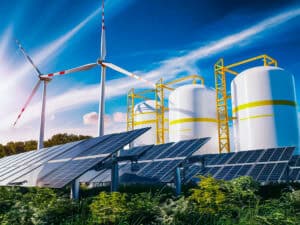
Renewable energy has moved well beyond the experimental stage. Across the United States, wind turbines and solar facilities are generating electricity every day, while battery energy storage and modern grid infrastructure are creating new ways to manage that power. For utilities, developers, businesses, and communities considering their next energy investment, the evidence is increasingly clear: renewable energy works.
Getting the best results, however, takes more than purchasing equipment. A successful renewable project depends on proper site preparation, dependable electrical infrastructure, careful construction, utility coordination, safety, and effective project management. Every component needs to work together.
That’s where JMS Energy comes in.
JMS Energy supports renewable energy development by bringing practical construction and electrical experience to complex projects. From wind and solar infrastructure to battery storage and supporting electrical systems, the company helps turn renewable energy plans into operating assets.
For organizations wondering whether clean energy can work for their particular needs, the more useful question may be: How can an experienced partner help make it work better?
Why Renewable Energy Works
Modern renewable energy succeeds because several technologies and disciplines have matured together.
Solar modules have become more capable. Wind turbine technology has advanced. Battery storage provides additional flexibility. Electrical monitoring has become smarter, and the infrastructure connecting renewable generation to the grid continues to improve.
But technology represents only one side of the equation.
Reliable renewable generation also depends on:
- Suitable project locations
- Strong foundations and site infrastructure
- Correct equipment installation
- Reliable collection systems
- Transformers and substations
- Utility interconnections
- Ongoing monitoring and maintenance
In other words, renewable energy works when the entire system works.
JMS Energy understands this relationship. Its experience across multiple areas of renewable construction allows the company to approach projects as connected systems instead of isolated pieces of equipment.
Solar Power Creates Scalable Opportunities
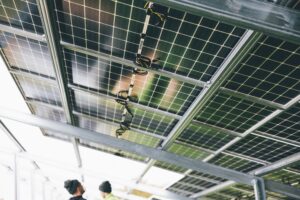
Solar energy has become an important component of America’s electricity portfolio. Utility-scale solar facilities can generate significant amounts of power while offering developers the ability to build projects around different site sizes and capacity goals.
Solar developments may require:
- Site clearing and grading
- Access roads
- Structural installation
- Underground cabling
- Electrical collection systems
- Inverters and transformers
- Substations
- Grid connections
This complexity is sometimes hidden by the apparent simplicity of solar panels. The panels may receive most of the attention, but the infrastructure beneath and around them is essential.
JMS Energy helps clients develop that infrastructure. Its construction and electrical capabilities support the practical work required to transform open land into a functioning renewable energy facility.
When planned carefully and built correctly, solar demonstrates one of the clearest ways that renewable energy works at scale.
Wind Energy Provides Powerful Generation
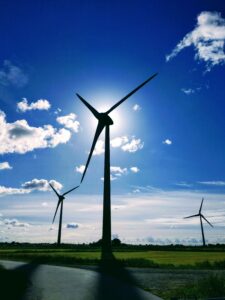
Wind energy has been producing electricity across the United States for decades, and modern turbine systems continue to advance.
Commercial wind developments require specialized knowledge because turbines operate as part of much larger electrical and communications networks. A successful wind project may involve turbine foundations, access infrastructure, collection circuits, substations, communications equipment, and high-voltage interconnections.
JMS Energy brings substantial wind industry experience to this work.
A dependable wind facility requires every turbine and supporting system to function together. Electrical connections must be installed properly, infrastructure must withstand demanding environmental conditions, and maintenance teams need safe access throughout the facility’s operational life.
Wind is another example of why renewable energy works when experienced professionals build the supporting infrastructure correctly.
Battery Storage Adds Flexibility
Renewable energy development is increasingly connected with battery energy storage.
A battery energy storage system can absorb electricity and make it available at a later time. Depending on the project design and market, storage can support peak-demand management, renewable integration, grid services, or greater operational flexibility.
Battery projects may require:
- Foundations
- Equipment pads
- Electrical conduits
- Transformers
- Switchgear
- Monitoring systems
- Grid interconnections
JMS Energy’s experience with electrical infrastructure and renewable projects makes battery storage a natural part of its wider capabilities.
Storage doesn’t replace solar or wind generation. Instead, it can complement those resources as part of a broader energy strategy.
Infrastructure Turns Potential Into Performance
A renewable resource may provide the energy, but infrastructure determines whether that energy can be used effectively.
This is one of the most important lessons for any organization considering renewable development.
Site Preparation
Every project begins with the ground beneath it.
Site preparation can involve grading, drainage, access roads, excavation, erosion control, and equipment areas. If these elements aren’t handled properly, later construction can become more difficult and expensive.
Good preparation helps crews work efficiently during construction while also supporting maintenance after the facility enters operation.
Electrical Infrastructure
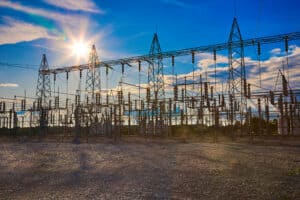
Once electricity is generated, it must be collected and moved.
Depending on the facility, this can require:
- Cabling
- Collection networks
- Transformers
- Switchgear
- Substations
- Transmission infrastructure
- Utility interconnections
JMS Energy’s electrical experience helps connect renewable generation with the systems that ultimately deliver power.
This supporting infrastructure is a major reason renewable energy works reliably in real-world applications.
JMS Energy Makes Complex Projects More Manageable
Renewable projects can involve developers, utilities, engineers, construction crews, equipment manufacturers, inspectors, and multiple specialized contractors.
Coordinating all those groups is challenging.
JMS Energy brings multiple capabilities together, helping clients reduce fragmentation across the project. Its experience in civil work, electrical infrastructure, wind, solar, storage, substations, and renewable construction creates a more complete perspective.
That experience can help teams:
- Identify project challenges earlier
- Coordinate construction phases
- Plan resources more effectively
- Maintain clear schedules
- Improve communication
- Prepare for long-term operation
For project owners, the benefit is straightforward: complex renewable development becomes easier to understand and manage when experienced professionals are involved.
Safety Supports Successful Projects
Renewable energy construction includes many of the same hazards found across heavy construction and electrical work.
Projects may involve:
- High-voltage electricity
- Heavy equipment
- Excavations
- Elevated work
- Large material deliveries
- Changing weather
- Remote job sites
Safety must therefore remain central to project execution.
Effective safety programs include training, hazard recognition, equipment inspections, job planning, and clear communication. A well-organized site protects workers while also supporting productivity.
JMS Energy’s emphasis on safe execution helps clients build renewable assets responsibly.
Reliable construction isn’t only about finishing quickly. It’s about completing the work correctly while protecting the people responsible for making it happen.
Smart Project Management Keeps Work Moving
Project management is another reason successful renewable developments reach operation efficiently.
A project can have excellent equipment and skilled workers yet still encounter difficulties if schedules and responsibilities aren’t coordinated.
Strong management addresses:
- Scheduling
- Labor
- Materials
- Equipment
- Contractor coordination
- Utility requirements
- Quality control
- Progress reporting
JMS Energy’s project experience helps bring these pieces together.
This matters because renewable construction often occurs in phases. Site preparation must support structural work. Electrical installation must coordinate with equipment construction. Grid infrastructure must be ready when generation systems reach completion.
Good management ensures those pieces support one another.
Scalability Prepares Projects for Tomorrow
Today’s energy needs may not be tomorrow’s energy needs.
Developers and businesses increasingly want infrastructure capable of supporting future expansion. That might include additional solar capacity, more wind generation, battery storage, upgraded substations, or expanded electrical connections.
Thoughtful planning can preserve those options.
Scalable renewable infrastructure may incorporate:
- Flexible layouts
- Expandable electrical systems
- Future equipment space
- Accessible utility routes
- Additional substation capacity
This is another reason experienced planning matters. The goal isn’t simply to make renewable energy work today. It’s to create infrastructure that can continue working as circumstances change.
Renewable Energy Can Support Business Goals
Organizations pursue renewable energy for different reasons.
Some want greater long-term visibility into energy costs. Others are working toward sustainability targets. Utilities may need additional generation capacity, while developers may see opportunities in expanding demand for electricity.
Renewable projects can support goals such as:
- Diversifying energy resources
- Supporting sustainability initiatives
- Developing long-term energy assets
- Expanding generation capacity
- Preparing for growing electricity demand
The precise benefits depend on the project, location, financing, technology, and energy market.
That is why customized planning matters.
The statement that renewable energy works doesn’t mean every project is automatically successful. It means the technologies are proven and capable—but success still depends on selecting the right project, designing it properly, and executing it professionally.
Experience Helps Reduce Project Uncertainty
Large energy developments inevitably contain uncertainty.
Weather can affect construction. Equipment schedules may change. Utility requirements can evolve. Site conditions may differ from early expectations.
Experience doesn’t eliminate these challenges, but it can make them easier to manage.
JMS Energy’s renewable energy background helps teams anticipate common project risks and respond when unexpected conditions occur.
That practical knowledge is especially valuable on large projects where small delays can have wider scheduling consequences.
Experienced partners help turn uncertainty into manageable decisions.
Why Renewable Energy Works Better With the Right Partner
The strongest renewable energy projects combine good technology with good execution.
A capable partner can contribute:
- Construction knowledge
- Electrical expertise
- Renewable energy experience
- Project coordination
- Safety leadership
- Long-term planning
JMS Energy combines these capabilities to help clients move renewable projects from planning into operation.
That integrated approach is particularly useful because energy projects don’t exist as separate technical pieces. Roads affect maintenance. Drainage affects infrastructure. Electrical layouts affect performance. Construction sequencing affects schedules.
Understanding these relationships helps produce better outcomes.
The Future of American Renewable Energy
America’s electricity needs are changing. Manufacturing expansion, data centers, transportation electrification, population growth, and other economic activity are contributing to demand for new power infrastructure.
Renewable resources can be an important part of meeting those needs.
According to the U.S. Energy Information Administration, renewable energy already contributes to the nation’s electricity supply through sources including wind, solar, hydropower, biomass, and geothermal energy.
The next stage of development will increasingly depend on connecting generation with storage, transmission, monitoring, and modern grid infrastructure.
For JMS Energy, this creates an opportunity to continue doing what it does best: helping turn renewable energy technology into practical, functioning infrastructure.
Frequently Asked Questions
1. What does “renewable energy works” mean?
It means renewable technologies such as wind and solar are proven sources of electricity. Their real-world success depends on suitable sites, proper engineering, reliable infrastructure, and professional project execution.
2. What renewable projects can JMS Energy support?
JMS Energy works across renewable energy infrastructure, including wind, solar, battery storage, electrical systems, substations, and related construction.
3. Why is electrical infrastructure so important?
Renewable electricity must be collected, transformed, controlled, and delivered to the grid. Reliable electrical systems make that possible.
4. Can renewable projects be expanded later?
Many can. Early planning can make future solar, wind, storage, or electrical expansion easier and more cost-effective.
5. Does renewable energy require ongoing maintenance?
Yes. Like other major energy infrastructure, renewable facilities require monitoring, inspection, maintenance, and occasional repairs or upgrades.
6. Why choose JMS Energy for a renewable project?
JMS Energy combines renewable construction experience with civil, electrical, infrastructure, and project-management capabilities, helping clients coordinate complex projects more effectively.
Conclusion: JMS Energy Can Help Make Renewable Energy Work for You

The evidence is all around us: renewable energy works. Wind turbines are generating electricity across America, solar farms are adding new capacity to the grid, and battery systems are creating additional flexibility for modern energy networks.
The more important challenge is making renewable energy work effectively for each individual project.
That requires the right site, dependable infrastructure, skilled construction, safe execution, electrical expertise, and thoughtful long-term planning.
JMS Energy brings these capabilities together.
Whether a project involves wind, solar, battery storage, substations, or supporting electrical infrastructure, JMS Energy helps clients transform renewable energy opportunities into practical assets designed for lasting performance.
Renewable energy works—and with the right experience behind your project, JMS Energy can help make it work for you.
Want to start now? Contact JMS Energy here to begin.