Table of Contents
Introduction: Making Complex Wind Projects Easier to Manage
Wind energy has become an established part of America’s power infrastructure, but developing a successful wind facility is still a major undertaking. Long before turbines begin producing electricity, developers must consider site conditions, construction access, electrical collection, grid connections, communications, safety, scheduling, and long-term maintenance.
In other words, successful wind farm setup involves much more than putting turbines in the ground.
This is where an experienced renewable energy contractor can make a substantial difference. JMS Energy brings decades of experience in the renewable sector, with capabilities that include wind energy construction, electrical systems, substations, communications, testing, maintenance, and supporting infrastructure. By understanding how these different parts of a wind project work together, JMS Energy can help developers manage complexity from the field level upward.
No utility-scale energy project is truly effortless. Weather changes, construction conditions vary, and each development has unique technical requirements. But the right combination of planning, experience, communication, and disciplined execution can make the process considerably more manageable.
Here are 10 ways JMS Energy helps make wind farm setup feel like a breeze.
1. JMS Energy Brings Real Wind Industry Experience
There is no substitute for experience when developing wind infrastructure.
Wind projects create specialized challenges involving high-voltage systems, remote sites, large equipment, turbine wiring, collection circuits, communications, and strict construction schedules. Teams familiar with these conditions are better prepared to recognize problems and develop practical responses.
JMS Energy has been involved in renewable energy for decades, giving its teams firsthand exposure to the realities of commercial wind projects.
That experience can benefit wind farm setup in several ways. Experienced crews understand construction sequencing, know why communication between different trades matters, and recognize that apparently small details can affect later phases of work.
Field knowledge is particularly valuable when conditions change. A plan may need to adapt to weather, equipment availability, access limitations, or unexpected site conditions. Teams that have encountered similar situations before are better positioned to respond without losing sight of the larger project.
For developers, this experience can bring greater confidence to an otherwise complicated undertaking.
2. Careful Planning Helps Establish the Right Direction
A successful wind project starts well before construction.
Early planning should consider the entire facility rather than treating turbines, roads, electrical systems, and substations as separate projects.
Important considerations may include:
- Construction sequencing
- Equipment access
- Collection-system routing
- Utility requirements
- Material delivery
- Crew coordination
- Testing schedules
- Future maintenance access
Strong planning gives every project participant a clearer understanding of what needs to happen and when.
JMS Energy’s practical renewable energy knowledge allows it to contribute to this planning from a construction and infrastructure perspective. That insight can help ensure plans reflect field realities.
Good wind farm setup is fundamentally about coordination. The more issues that can be considered before crews mobilize, the easier it becomes to maintain steady progress once construction is underway.
3. Reliable Site Infrastructure Keeps Construction Moving
Wind facilities frequently cover large areas, and crews must be able to move equipment, materials, and personnel safely throughout the site.
Access is particularly important because wind energy construction may involve oversized equipment and specialized machinery.
Site infrastructure can include:
- Access routes
- Equipment areas
- Crane access
- Drainage
- Underground utility corridors
- Maintenance routes
Poor site access can slow construction and create challenges long after the facility begins operating.
A thoughtful wind farm setup therefore considers not only what crews need during construction but what maintenance teams will require years later.
JMS Energy’s broader renewable construction capabilities help support this infrastructure-focused approach. A wind facility isn’t simply a collection of turbines. It is an interconnected site that needs to remain accessible and functional throughout its operating life.
4. Electrical Expertise Connects the Entire Project
Wind turbines generate electricity, but that power must travel through several systems before it can reach the grid.
Depending on the project, electrical infrastructure may include:
- Turbine wiring
- Collection circuits
- Underground cabling
- Transformers
- Switchgear
- Substations
- Transmission connections
JMS Energy’s electrical capabilities are especially valuable during wind farm setup because electrical work connects individual turbines to the wider facility.
Quality matters at every connection. Poorly installed electrical infrastructure can contribute to performance problems, difficult troubleshooting, downtime, or delays during commissioning.
Experienced electrical teams understand that installation should support both immediate operation and future maintenance.
By bringing wind experience and electrical knowledge together, JMS Energy can help developers approach the facility as one complete energy system.
5. Collection Systems Receive the Attention They Deserve
Collection systems may not receive the same public attention as turbines, but they are essential to wind-farm performance.
The collection network gathers electricity produced across the facility and carries it toward the substation or other grid infrastructure.
Effective installation requires careful attention to:
- Cable routing
- Underground conditions
- Equipment connections
- Testing
- Documentation
- Future service access
These systems may stretch across substantial distances, making consistency particularly important.
JMS Energy’s experience with renewable electrical infrastructure helps support dependable collection-system construction.
This is another reason wind farm setup benefits from contractors with specialized renewable knowledge. General electrical experience is useful, but utility-scale wind projects introduce conditions and requirements that experienced wind professionals are more likely to understand.
6. Substation and Grid Experience Helps Complete the Connection
Generating power is only useful if that electricity can be delivered where it is needed.
Substations and grid interconnections are therefore critical parts of a wind project.
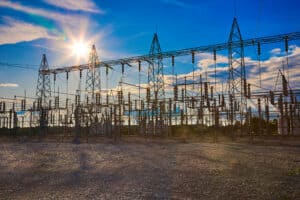
These systems may transform voltage, provide switching and protection, monitor electrical conditions, and create the connection between the wind facility and utility infrastructure.
JMS Energy’s capabilities in substation and related electrical work help support this important stage of wind farm setup.
Utility coordination can be technically demanding. Requirements must be understood early, equipment must meet applicable specifications, and systems generally need extensive inspection and testing before commercial operation.
Experienced teams help ensure field construction aligns with those requirements.
The result is a more coordinated path between turbine installation and actual energy delivery.
7. Communications and Monitoring Support Smarter Operations
Modern wind facilities are also information networks.
Operators need visibility into turbine status, electrical performance, equipment conditions, and other operating data. Communications infrastructure allows information to move throughout the site and back to control or monitoring systems.
Depending on the facility, this may involve:
- Fiber-optic networks
- Control wiring
- Monitoring equipment
- Communications hardware
- Data connections
JMS Energy’s communications experience complements its electrical wind capabilities.
Including communications considerations early in wind farm setup helps reduce the likelihood that monitoring requirements become an afterthought.
Once the facility is operating, dependable information systems can support troubleshooting, performance analysis, and maintenance planning.
Modern wind energy depends on both power and data, and successful projects need infrastructure capable of handling both.
8. Safety Remains Central to Every Phase
Wind construction presents demanding safety conditions.
Crews may work around high-voltage electricity, heavy equipment, underground systems, elevated structures, cranes, and changing weather. Remote sites can add additional logistical considerations.
A strong safety culture includes:
- Worker training
- Hazard identification
- Equipment inspections
- Clear work procedures
- Job-site communication
- Appropriate protective equipment
JMS Energy emphasizes safety as an important part of project execution.
This focus benefits wind farm setup in more ways than one. Safe sites protect workers, but they can also support stronger organization and productivity. Crews that understand responsibilities and hazards are better positioned to perform work consistently.
Safety should never be viewed as something separate from project performance. In professional construction, the two are closely connected.
9. Structured Project Coordination Helps Control Complexity
Wind projects involve numerous moving parts.
Developers may need to coordinate turbine manufacturers, civil contractors, electrical teams, utilities, equipment suppliers, engineers, inspectors, and specialized technicians.
A delay in one area can affect several others.
Structured project coordination helps keep these activities aligned through:
- Scheduling
- Milestone tracking
- Resource planning
- Progress communication
- Construction sequencing
- Issue management
JMS Energy’s experience with renewable projects gives its teams an understanding of how individual construction scopes fit into the larger development.
That perspective is valuable during wind farm setup because a successful project isn’t simply a collection of completed tasks. Those tasks must be completed in the right sequence and coordinated around shared project goals.
Strong communication helps everyone understand what is happening now, what happens next, and what could affect the schedule.
10. Long-Term Support Keeps the Focus Beyond Construction
A wind project’s story doesn’t end when construction crews leave.
Wind facilities are long-term energy assets that require monitoring, inspection, maintenance, troubleshooting, and occasional upgrades.
Planning for those needs during initial wind farm setup can improve long-term serviceability.
Important considerations include:
- Maintenance access
- Electrical documentation
- Communications infrastructure
- Equipment accessibility
- Future repairs
- Potential upgrades
JMS Energy’s experience extends into testing, maintenance, and other ongoing wind services, providing a valuable lifecycle perspective.
A contractor that understands how operating wind facilities are maintained can make better-informed decisions during construction.
This long-term approach helps developers think beyond project completion and toward years of dependable operation.
Why Wind Farm Setup Requires an Integrated Approach
Wind facilities demonstrate how interconnected modern energy infrastructure has become.
Civil construction affects electrical installation. Electrical systems depend on communications. Turbines depend on collection networks. Collection systems depend on substations. Substations must integrate with the grid.
If these pieces are planned independently, coordination problems can emerge.
An integrated wind farm setup considers the entire development from the beginning.
JMS Energy’s combination of renewable construction, wind, electrical, communications, and substation experience gives the company a broad understanding of these relationships.
For developers, that can mean fewer gaps between individual scopes and a clearer view of how construction decisions affect the finished facility.
Modern Wind Projects Need Modern Expertise
Wind technology continues to evolve.
Turbines have become more capable, digital monitoring has improved, and grid infrastructure is becoming increasingly sophisticated. At the same time, developers face pressure to deliver projects efficiently while maintaining high standards for safety and reliability.
Modern wind farm setup therefore requires teams that can combine proven construction fundamentals with an understanding of current technology.
JMS Energy’s continued work in renewable energy helps its teams remain familiar with the practical demands of an evolving industry.
The technology may change, but several fundamentals remain constant: quality installation, good communication, safe execution, and careful planning are always essential.
The Business Value of Getting Setup Right
Early construction decisions can influence a wind facility for years.
A well-planned project can support:
- Easier maintenance
- Reliable electrical performance
- Better site accessibility
- More efficient troubleshooting
- Future upgrades
- Long-term asset value
Conversely, shortcuts during construction can create recurring challenges.
This is why wind farm setup should be viewed as a long-term investment rather than simply a race toward completion.
JMS Energy’s experience helps keep that larger perspective in focus.
Developers aren’t merely constructing turbines. They are creating energy assets expected to operate reliably for years, and every supporting system contributes to that goal.
Why Choose JMS Energy for Wind Energy Projects?
Wind developers need partners capable of handling technically demanding work while maintaining communication, quality, and safety.
JMS Energy brings together capabilities involving:
- Commercial wind energy
- Electrical systems
- Collection networks
- Substations
- Communications
- Testing
- Maintenance
- Renewable infrastructure
This range of experience can simplify coordination and provide clients with a partner that understands multiple stages of the project lifecycle.
More information about the company’s renewable energy capabilities is available through the JMS Energy website.
Frequently Asked Questions
1. What does wind farm setup involve?
Wind farm setup can involve site infrastructure, turbine-related construction, collection systems, electrical cabling, substations, communications, grid connections, testing, and project coordination.
2. Why is electrical experience important for wind farms?
Each turbine must connect to a collection network that ultimately delivers electricity through substations and utility infrastructure. Reliable electrical work is therefore essential to overall facility performance.
3. Does JMS Energy support commercial wind projects?
Yes. Wind energy is a major part of JMS Energy’s renewable industry experience and service capabilities.
4. Why are communications systems important?
Modern wind facilities use communications networks to monitor equipment, exchange operating data, and support troubleshooting and maintenance.
5. Should maintenance be considered during wind farm setup?
Yes. Planning for equipment access, documentation, roads, electrical systems, and future repairs during construction can make long-term maintenance more manageable.
6. Why choose JMS Energy for wind farm setup?
JMS Energy combines wind industry experience with electrical, substation, communications, construction, testing, and maintenance capabilities, providing a broad perspective on the needs of modern wind projects.
Conclusion: Making Wind Development More Manageable
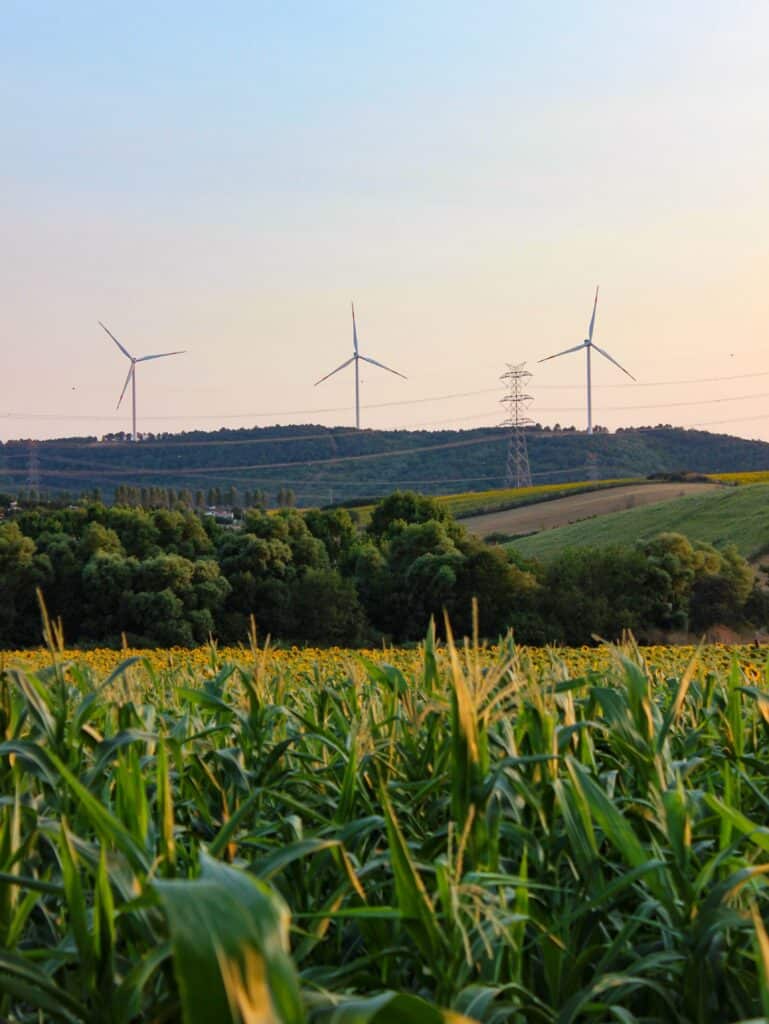
A utility-scale wind project will always require substantial planning and coordination. There are turbines to construct, electrical networks to connect, communications systems to install, substations to complete, safety requirements to manage, and schedules to keep moving.
But complexity doesn’t have to become chaos.
JMS Energy brings renewable energy experience and specialized wind capabilities to the many interconnected systems that make a project successful. Through careful planning, electrical expertise, safety-focused execution, project coordination, and a long-term operational perspective, the company helps developers make wind farm setup more manageable from beginning to end.
When every phase is approached as part of one complete energy system, projects are better positioned for reliable long-term performance.
That’s how JMS Energy helps make wind farm setup a breeze.
Want to see for yourself? Contact JMS Energy and get started by clicking here.