Renewable Energy Business FAQ 101: Why JMS Energy Stands Out as a Leading Renewable Energy Business

renewable energy business

The renewable energy business landscape is expanding rapidly as utilities, developers, and industries shift toward cleaner, more resilient power systems. Among the companies shaping this transition, JMS Energy positions itself as a full-service, turnkey renewable energy contractor delivering wind, solar, and battery storage solutions at scale. With decades of experience and a broad project footprint, JMS Energy has built its reputation around integrated delivery—handling everything from engineering and construction to commissioning and long-term support.

Below is a structured FAQ that explores how JMS Energy operates within the renewable energy business sector and why it is frequently regarded as a top-tier provider in this space.

renewable energy business

What makes JMS Energy a strong contender in the renewable energy business industry?

JMS Energy operates as a turnkey renewable energy business, meaning it manages projects from early-stage design through final commissioning and maintenance. This full-lifecycle model is a major differentiator in an industry where many firms only handle isolated phases of development.

Rather than acting as a single-discipline contractor, JMS Energy integrates engineering, procurement, and construction (EPC) into one coordinated system. This allows developers to reduce friction between contractors, streamline communication, and improve project timelines.

Their approach is built on more than 30 years of experience in renewable infrastructure delivery, with completed projects across multiple U.S. states and a strong focus on large-scale wind, solar, and storage systems.

In practice, this means JMS Energy is not just a contractor in the renewable energy business—it functions more like an end-to-end delivery partner for energy infrastructure.


How does JMS Energy’s turnkey model improve renewable energy project outcomes?

The turnkey model used by JMS Energy is central to its value proposition in the renewable energy business. Instead of splitting responsibilities among multiple vendors, JMS manages:

  • Engineering and design
  • Procurement and logistics
  • Civil and electrical construction
  • Commissioning and integration
  • Ongoing maintenance support

This integrated structure reduces delays caused by miscommunication between contractors and ensures accountability across every stage of development.

JMS Energy emphasizes that its teams are built around “solutions-based work ethic,” allowing them to anticipate and resolve project challenges proactively while maintaining cost and schedule discipline.

For clients, the advantage is straightforward: fewer handoffs, fewer inefficiencies, and a single accountable partner throughout the renewable energy project lifecycle.


Why is JMS Energy considered a leader in solar within the renewable energy business?

Solar energy is one of the fastest-growing segments in the renewable energy business, and JMS Energy has developed a robust capability set in this area.

Their solar services include:

  • Civil and earthwork construction for solar farms
  • Medium-voltage and low-voltage electrical installation
  • PV array installation and wiring
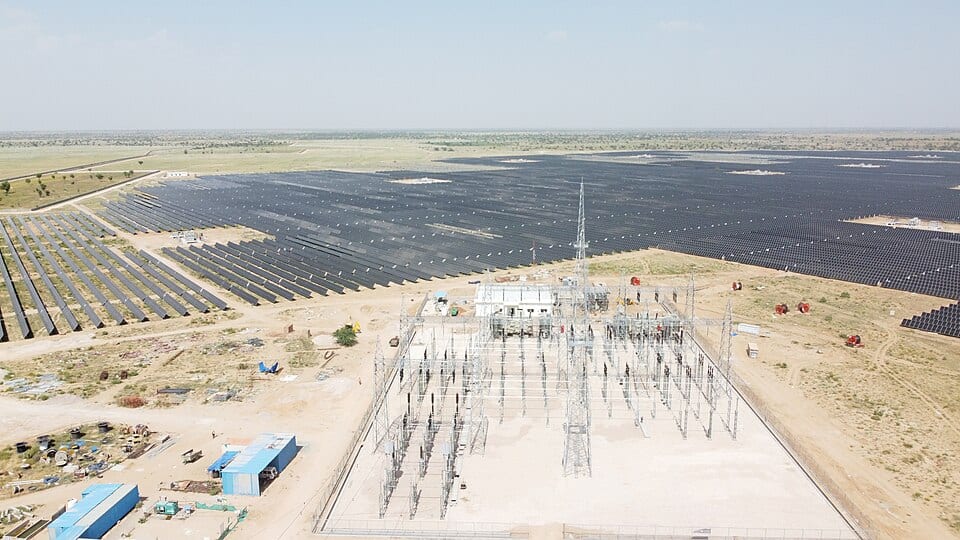
  • Substation design and integration
  • Testing and commissioning

JMS Energy also incorporates advanced engineering and SCADA system integration to ensure solar installations operate efficiently and reliably over time.

What sets JMS apart is not just installation capability but the ability to deliver utility-scale solar projects with integrated electrical infrastructure, which is often a bottleneck for many renewable energy developers.

This positions JMS Energy as a full-stack solar construction provider within the broader renewable energy business ecosystem.


How does JMS Energy handle battery energy storage systems (BESS) in renewable energy projects?

Battery Energy Storage Systems (BESS) are becoming essential in the renewable energy business because they solve one of the sector’s biggest challenges: intermittency.

JMS Energy provides comprehensive BESS services including:

  • Site development and civil construction
  • Electrical and structural design
  • Battery enclosure and inverter installation
  • System integration and commissioning
  • Testing and long-term maintenance

Their BESS capabilities are designed to integrate directly with solar and wind projects, enabling energy storage during peak production and discharge during peak demand periods.

This integration is critical for grid stability and is increasingly required for modern renewable energy business models that depend on predictable power delivery.

JMS Energy’s role here is not just installation—it is system integration across generation and storage assets, which is a higher-value function in the industry.


What role does construction expertise play in JMS Energy’s renewable energy business success?

Construction is often the most complex and risk-heavy phase of renewable energy development. JMS Energy’s construction services are a major reason it is considered a strong renewable energy business operator.

Their construction capabilities include:

  • Civil earthwork and site preparation
  • Road building and access infrastructure
  • Mechanical completion and commissioning support
  • Substation and switchyard construction
  • Project management and logistics coordination

JMS Energy also emphasizes safety, quality assurance, and schedule control throughout construction phases.

This construction-first expertise matters because renewable energy projects—especially wind and solar farms—require significant infrastructure before any energy can be produced. Delays or errors in this phase can significantly impact project ROI.

By controlling construction internally, JMS reduces dependency on third parties and strengthens delivery reliability.


How does JMS Energy support wind energy development within the renewable energy business?

Wind energy is one of JMS Energy’s core business areas and a foundational part of its renewable energy business identity.

Their wind services include:

  • Turbine installation and internal tower wiring
  • Foundation construction and civil engineering
  • Mechanical completion and commissioning
  • Repowering of existing wind farms
  • Operations and maintenance support facilities

JMS Energy has worked across a wide range of turbine manufacturers and project types, which reflects deep industry adaptability.

Repowering services are particularly important in the modern renewable energy business because many early wind farms are reaching end-of-life. Upgrading turbines rather than replacing entire sites improves efficiency and reduces environmental impact.

This gives JMS Energy a strong position in both new development and asset modernization markets.


Why do clients choose JMS Energy over other renewable energy businesses?

In the competitive renewable energy business sector, clients typically choose providers based on three core factors: reliability, technical capability, and risk reduction.

JMS Energy emphasizes all three:

  • Reliability: Long project history and multi-state execution experience
  • Technical depth: Integrated wind, solar, BESS, and electrical systems expertise
  • Risk reduction: Single-source responsibility across EPC phases

Their internal culture also plays a role, with a strong emphasis on safety and quality systems designed to ensure consistent project execution.

For developers, utilities, and industrial clients, this reduces the complexity of managing multiple vendors across large infrastructure projects.

In effect, JMS Energy positions itself not just as a contractor but as a strategic execution partner in the renewable energy business.


How is JMS Energy adapting to the future of the renewable energy business?

The renewable energy business is evolving toward more integrated, grid-responsive systems that combine generation, storage, and digital monitoring. JMS Energy is aligned with this shift through its focus on:

  • Battery energy storage integration (BESS)
  • Advanced electrical and SCADA systems
  • Turnkey EPC delivery models
  • Multi-technology project execution (wind + solar + storage)

This integrated approach reflects where the industry is heading: hybrid renewable systems that balance intermittent generation with storage and grid intelligence.

By maintaining capabilities across all major renewable technologies, JMS Energy positions itself to participate in increasingly complex energy infrastructure projects.


Final Thoughts: Is JMS Energy a leading renewable energy business?

Based on its operational model, service scope, and execution strategy, JMS Energy functions as a full-spectrum renewable energy business with capabilities across wind, solar, battery storage, and construction.

Its strength is not limited to one technology but rather in how it integrates multiple systems into large-scale energy infrastructure projects. That systems-level capability is what differentiates leading renewable energy businesses from specialized contractors.

In a market increasingly driven by hybrid energy systems and grid modernization, JMS Energy’s turnkey approach places it firmly within the category of comprehensive renewable energy infrastructure providers.

Installing Fiber Optic Cable: Frequently Asked Questions About Why JMS Is the #1 Best Choice

installing fiber optic cable

Fiber optic networks have become the backbone of modern communications. From renewable energy facilities and utility infrastructure to commercial campuses and industrial operations, organizations depend on reliable fiber optic systems for high-speed connectivity, data transmission, monitoring, and operational efficiency. However, the performance of a fiber network depends heavily on the quality of the installation.

When it comes to installing fiber optic cable, experience, precision, safety, and technical expertise matter. JMS Energy has established itself as a trusted provider of fiber optic and communications services, bringing decades of infrastructure experience and a solutions-driven approach to every project. With capabilities that include fiber cable placement, fusion splicing, terminations, testing, diagnostics, and emergency response services, JMS delivers comprehensive communication infrastructure solutions across the United States.

Below are some of the most frequently asked questions about installing fiber optic cable and why JMS is the ideal partner for these critical projects.

installing fiber optic cable

Why is professional installation so important when installing fiber optic cable?

Installing fiber optic cable is a highly specialized process that requires technical expertise, specialized equipment, and rigorous quality control. Unlike traditional copper systems, fiber optic infrastructure relies on delicate glass strands that transmit data using light signals. Even minor installation errors can lead to signal loss, reduced performance, increased maintenance costs, or complete system failure.

Professional installation ensures that cables are routed correctly, protected from environmental hazards, properly terminated, and thoroughly tested before commissioning. Every stage of the process—from cable placement and splicing to certification and troubleshooting—must be completed according to strict industry standards.

JMS brings extensive communications expertise to every project, offering services that include outside plant fiber installation, fusion splicing, terminations, OTDR testing, power meter testing, diagnostics, and repair. Their comprehensive approach helps clients achieve reliable, long-term network performance while minimizing downtime and future maintenance requirements.

What makes JMS different from other companies that specialize in installing fiber optic cable?

Many contractors can install cable, but few combine communications expertise with the infrastructure experience, safety culture, and project management capabilities that JMS provides.

JMS has spent more than three decades building and supporting complex energy and infrastructure projects throughout the United States. The company’s culture is built around safety, quality, and problem-solving, enabling teams to anticipate challenges and deliver projects on schedule and within budget. JMS has completed hundreds of projects across dozens of states, demonstrating its ability to execute large-scale infrastructure work in diverse environments.

What truly separates JMS is its ability to integrate communications infrastructure into broader energy and construction projects. Whether supporting renewable energy developments, battery energy storage systems, utility infrastructure, or standalone communications networks, JMS understands how fiber systems interact with critical operational assets. This broader perspective helps ensure efficient project execution and long-term system reliability.

What services does JMS provide for fiber optic cable installation projects?

JMS offers a complete suite of communications services designed to support fiber optic networks throughout their entire lifecycle.

Their capabilities include:

  • Fiber cable placement through pulling and blowing methods
  • Outside plant fiber installation
  • Inline fusion splicing
  • Fiber optic terminations
  • Ethernet terminations
  • OTDR bidirectional testing
  • Power meter testing
  • Fiber diagnostics and troubleshooting
  • Visual inspections and cleaning
  • Fiber repair services
  • Equipment racking and infrastructure support

This end-to-end service model allows clients to work with a single contractor throughout the project rather than coordinating multiple vendors. The result is improved accountability, streamlined communication, and higher-quality outcomes.

How does JMS ensure quality when installing fiber optic cable?

Quality begins long before installation crews arrive on-site. Successful fiber optic projects require careful planning, detailed engineering, precise execution, and comprehensive testing.

JMS employs a systematic approach that emphasizes safety, quality control, and process management. The company uses established procedures to monitor project progress, maintain installation standards, and verify system performance. Every installation undergoes rigorous testing to confirm signal integrity and network reliability before project completion.

The company’s communications team performs advanced testing procedures such as OTDR bidirectional testing and power meter testing to identify potential issues before they become operational problems. This proactive quality assurance process helps clients avoid costly repairs and network disruptions after installation.

Can JMS handle large-scale fiber optic infrastructure projects?

Yes. One of JMS’s greatest strengths is its ability to execute complex infrastructure projects on a large scale.

The company has completed hundreds of projects across numerous states and has extensive experience supporting large renewable energy developments, utility-scale installations, battery storage facilities, and other critical infrastructure projects. This background provides JMS with the logistical expertise, workforce capabilities, and project management systems necessary to support large communications deployments.

For clients managing multi-site developments or large geographic footprints, JMS offers the scalability required to maintain consistent quality standards across every phase of construction. Their experienced teams understand how to coordinate multiple disciplines, manage timelines, and adapt to changing project requirements while maintaining safety and performance standards.

Why is fiber optic infrastructure so important for renewable energy and utility projects?

Modern renewable energy facilities rely heavily on high-speed communications networks to support monitoring, control systems, SCADA integration, performance tracking, and operational management.

Solar farms, wind projects, substations, and battery energy storage systems all depend on reliable communications infrastructure to maximize efficiency and maintain operational visibility. Fiber optic networks provide the speed, reliability, and bandwidth necessary to support these mission-critical applications.

Because JMS has extensive experience in renewable energy construction, solar services, and battery energy storage systems, the company understands the unique communications requirements associated with these projects. Their ability to integrate fiber infrastructure with broader energy systems creates significant value for clients seeking a single-source project partner.

How does JMS respond when fiber optic systems are damaged?

Network outages can be extremely costly, particularly for organizations operating critical infrastructure. Fast response times are essential when fiber damage occurs.

JMS maintains an Emergency Response Team composed of skilled communications technicians capable of rapid deployment. According to the company, these teams can mobilize anywhere within the contiguous United States within 12 hours of reported fiber damage. Once on-site, technicians assess the situation, develop a repair strategy, and execute restoration efforts efficiently to minimize downtime.

This emergency response capability is particularly valuable for utility operators, renewable energy facilities, industrial sites, and other organizations where communications disruptions can impact operations and revenue.

How does JMS prioritize safety during fiber optic cable installation?

Safety is one of the defining characteristics of the JMS organization. The company consistently emphasizes a culture built around safety, quality, and accountability, with processes designed to protect employees, clients, and project assets.

Fiber optic installation projects often involve trenching, directional drilling, elevated work, energized environments, remote locations, and coordination with other construction activities. JMS applies established safety procedures and project controls to mitigate these risks while maintaining productivity and project schedules.

For clients, this commitment to safety translates into reduced project risk, fewer incidents, and greater confidence that work will be completed responsibly and professionally.

Why should organizations choose JMS for installing fiber optic cable?

Choosing a fiber optic contractor involves much more than selecting a company that can place cable. The ideal partner should possess technical expertise, project management capabilities, safety leadership, infrastructure experience, and long-term support resources.

JMS delivers all of these advantages.

Their communications division offers comprehensive fiber optic installation and maintenance services, while the broader organization brings decades of experience supporting complex infrastructure and renewable energy projects. The company’s focus on safety, quality, and value enables clients to complete projects efficiently without sacrificing performance.

Additionally, JMS provides a unique combination of communications, solar, construction, and battery storage expertise. This multidisciplinary approach allows the company to support integrated infrastructure projects more effectively than contractors focused solely on fiber installation.

Final Thoughts – The Best At Installing Fiber Optic Cable

Installing fiber optic cable is a critical investment that requires precision, experience, and a commitment to quality. Whether supporting renewable energy assets, utility infrastructure, industrial facilities, or commercial communications networks, organizations need a contractor capable of delivering dependable results.

JMS stands out because of its comprehensive communications capabilities, nationwide project experience, safety-first culture, and proven ability to support complex infrastructure projects. From fiber cable placement and fusion splicing to testing, diagnostics, maintenance, and emergency response, JMS provides the expertise necessary to build and maintain high-performance fiber optic networks. For organizations seeking a trusted partner for installing fiber optic cable, JMS offers the experience, resources, and commitment needed to ensure project success.

10 Ways JMS Energy is Keeping Up with the Latest Wind Energy Practices

Introduction: Adapting to a Rapidly Evolving Wind Energy Industry

The wind energy industry has changed dramatically over the past decade. What was once considered an emerging renewable technology has become one of the most important sources of clean energy in the United States. As the industry continues to grow in 2026, companies involved in wind energy development must constantly evolve to remain competitive and effective.

Keeping up with the latest wind energy practices is no longer optional. Developers, utilities, and infrastructure partners must embrace new technologies, modern construction techniques, improved safety standards, and advanced project management methods.

JMS Energy understands that success in today’s renewable energy market depends on continuous improvement. By staying ahead of industry trends and adopting proven innovations, the company continues to support reliable and efficient wind energy projects across the country.

Below are ten ways JMS Energy is staying aligned with the latest wind energy practices and helping clients succeed in a rapidly changing industry.


The Importance of Staying Current in Wind Energy

The renewable energy sector is evolving quickly due to:

  • Advancements in turbine technology
  • Grid modernization efforts
  • Increased energy demand
  • Improved data analytics and monitoring systems
  • Growing emphasis on sustainability and efficiency

Companies that fail to adapt may struggle to deliver the performance and reliability expected in modern energy projects.

JMS Energy remains committed to learning, innovating, and applying the latest wind energy strategies to support long-term project success.


1. Supporting Modern Turbine Infrastructure

Today’s wind turbines are significantly larger and more efficient than previous generations.

Modern turbines feature:

  • Longer blades
  • Taller towers
  • Increased energy output
  • Advanced control systems

JMS Energy supports these advancements by designing and constructing infrastructure capable of accommodating modern turbine requirements.

Their expertise in foundations, access roads, and electrical systems helps ensure projects align with the latest wind energy developments.


2. Investing in Advanced Electrical Infrastructure

Electrical systems continue to evolve alongside turbine technology.

JMS Energy stays aligned with the latest wind energy practices by developing advanced infrastructure that includes:

  • Modern collection systems
  • High-capacity substations
  • Improved transmission connectivity
  • Enhanced grid interconnection capabilities

These systems help maximize reliability and support efficient energy distribution.


3. Embracing Smart Monitoring Technologies

One of the most significant trends in the latest wind energy projects is the use of real-time monitoring systems.

These technologies allow operators to:

  • Track turbine performance
  • Identify maintenance needs
  • Monitor energy production
  • Improve operational efficiency

JMS Energy supports the implementation of these systems as part of its commitment to modern renewable energy infrastructure.


4. Prioritizing Grid Integration Excellence

The growth of renewable energy has increased the importance of effective grid integration.

JMS Energy works closely with utilities and developers to support:

  • Reliable power transmission
  • Regulatory compliance
  • Stable electrical system performance

Strong grid integration remains one of the most important components of the latest wind energy practices.


5. Strengthening Safety Programs

Safety expectations continue to evolve across the renewable energy sector.

JMS Energy maintains a proactive safety culture through:

  • Ongoing workforce training
  • Comprehensive site inspections
  • Updated safety procedures
  • Continuous compliance monitoring

These efforts help ensure projects meet modern safety standards while supporting efficient execution.


6. Using Data to Improve Project Performance

Data-driven decision making has become increasingly important in the latest wind energy developments.

JMS Energy uses data to:

  • Improve project planning
  • Optimize infrastructure performance
  • Reduce operational risks
  • Enhance maintenance strategies

By incorporating data into project management and operational planning, the company helps clients achieve stronger outcomes.


7. Designing for Scalability and Future Expansion

Wind energy projects must often accommodate future growth.

JMS Energy supports scalability through:

  • Expandable electrical infrastructure
  • Flexible substation designs
  • Modular project layouts

This approach ensures that projects can evolve as energy demand increases.

Scalability is a major component of the latest wind energy planning strategies.


8. Supporting Sustainable Construction Practices

Sustainability extends beyond energy generation.

JMS Energy incorporates environmentally responsible practices into project development by focusing on:

  • Efficient land use
  • Responsible site preparation
  • Reduced construction waste
  • Long-term environmental stewardship

These efforts align with the broader sustainability goals driving the latest wind energy initiatives.


9. Maintaining Strong Project Management Standards

As projects become more complex, effective project management becomes increasingly important.

JMS Energy applies structured project management techniques that include:

  • Detailed scheduling
  • Resource coordination
  • Risk management strategies
  • Transparent stakeholder communication

These processes help ensure that projects remain efficient and aligned with client expectations.

Strong project management continues to be one of the defining characteristics of successful renewable energy development.


10. Investing in Continuous Industry Education

Perhaps the most important way JMS Energy stays aligned with the latest wind energy practices is through continuous learning.

The company remains informed about:

  • Emerging technologies
  • Industry best practices
  • Regulatory changes
  • Infrastructure innovations

By investing in knowledge and professional development, JMS Energy ensures that its teams remain prepared to meet future challenges.


The Future of Wind Energy in America

Wind energy is expected to remain one of the fastest-growing segments of the renewable energy industry.

Future developments may include:

  • Larger turbine systems
  • Advanced energy storage integration
  • Artificial intelligence-driven monitoring tools
  • Expanded transmission infrastructure

The latest wind energy trends point toward greater efficiency, improved reliability, and increased renewable energy adoption.

JMS Energy is committed to helping clients navigate this evolving landscape.


Why Staying Current Benefits Clients

Organizations that work with companies focused on innovation often gain significant advantages.

By following the latest wind energy practices, JMS Energy helps clients achieve:

  • Improved project performance
  • Greater operational efficiency
  • Reduced long-term costs
  • Enhanced infrastructure reliability

These benefits contribute directly to project success.


Why Clients Choose JMS Energy

Organizations throughout the renewable energy sector choose JMS Energy because of its:

  • Infrastructure expertise
  • Commitment to innovation
  • Strong safety culture
  • Reliable project execution
  • Focus on long-term performance

These qualities make the company a trusted partner in modern wind energy development.


Frequently Asked Questions (FAQs)

1. What are the latest wind energy practices?

They include advancements in turbine technology, smart monitoring systems, grid integration, safety standards, and data-driven project management.

2. How does JMS Energy stay current with industry developments?

Through continuous learning, technology adoption, and investment in modern infrastructure practices.

3. Why is grid integration important?

It ensures reliable transmission of wind-generated electricity while supporting overall grid stability.

4. What role does technology play in modern wind projects?

Technology improves performance monitoring, operational efficiency, and long-term maintenance planning.

5. How does JMS Energy support scalability?

By designing infrastructure that can expand as future energy needs increase.

6. Why choose JMS Energy for wind energy projects?

Because of their expertise, commitment to innovation, and proven project execution capabilities.


Conclusion: Building the Future Through Continuous Improvement

latest wind energy

The wind energy industry continues to evolve rapidly, creating new opportunities and challenges for developers, utilities, and infrastructure providers.

JMS Energy understands that staying competitive requires a commitment to innovation, learning, and continuous improvement. By embracing the latest wind energy practices, the company helps clients build stronger, more reliable renewable energy systems that support long-term success.

As the renewable energy landscape continues to advance in 2026 and beyond, JMS Energy remains dedicated to delivering infrastructure, expertise, and project execution that reflects the highest standards in the industry.

Want to stay up to date with JMS Energy? Start by clicking here to get in contact.

10 Ways JMS Energy is Working to be the Best Wind Power Company in 2026

Introduction: Setting a Higher Standard for Wind Energy

The wind energy industry is entering a new era of growth and innovation. Across the United States, utilities, developers, and communities are investing heavily in renewable energy infrastructure to meet growing demand for clean, reliable power. As the industry evolves, competition among renewable energy providers continues to increase.

To become the best wind power company in the industry requires more than simply building wind farms. It requires a commitment to excellence in engineering, safety, infrastructure development, project management, and long-term performance.

JMS Energy has positioned itself as a leader in this space by focusing on the factors that matter most to clients and stakeholders. Through strategic planning, innovative solutions, and a dedication to quality, the company continues to strengthen its role in America’s renewable energy future.

Below are ten ways JMS Energy is working to earn recognition as the best wind power company in 2026.


The Growing Importance of Wind Energy

Wind energy continues to play a critical role in the nation’s energy strategy.

Several factors are contributing to its growth:

  • Increased demand for renewable electricity
  • Improved turbine technology
  • Expansion of transmission infrastructure
  • Greater emphasis on sustainability

As the industry expands, companies that can consistently deliver reliable results will stand out. JMS Energy understands this reality and continues to invest in the capabilities necessary to support long-term success.


1. Investing in Strong Infrastructure Development

One of the key reasons JMS Energy continues to strengthen its position in the industry is its commitment to infrastructure excellence.

Wind energy projects require:

  • Durable turbine foundations
  • Reliable access roads
  • Electrical collection systems
  • Substation infrastructure

By focusing on these critical components, JMS Energy helps ensure long-term project stability and operational reliability.

Strong infrastructure is one of the foundations of becoming the best wind power company in a competitive market.


2. Prioritizing Safety at Every Stage

Safety remains one of the most important factors in renewable energy construction.

JMS Energy maintains a strong safety culture through:

  • Comprehensive employee training
  • Routine job-site inspections
  • Strict adherence to industry regulations
  • Continuous safety improvement initiatives

By prioritizing worker protection and operational safety, the company helps ensure project success while maintaining high professional standards.


3. Delivering Reliable Electrical Infrastructure

Electrical systems are the backbone of every wind energy project.

JMS Energy specializes in:

  • Collection systems
  • Transformer installation
  • Substation development
  • High-voltage interconnections

These systems ensure that electricity generated by wind farms can be delivered efficiently and reliably.

Reliable electrical infrastructure is another reason JMS Energy continues its pursuit of becoming the best wind power provider in the industry.


4. Supporting Grid Integration Excellence

Wind farms must connect seamlessly with existing electrical networks.

JMS Energy works closely with utility providers to support:

  • Interconnection planning
  • Compliance with technical requirements
  • Reliable energy delivery
  • Grid stability improvements

Effective grid integration helps maximize the value of renewable energy investments while supporting long-term operational success.


5. Embracing Innovation and New Technologies

The renewable energy sector evolves rapidly. Companies seeking to become the best wind power organizations must stay ahead of technological advancements.

JMS Energy actively supports innovation through:

  • Smart monitoring systems
  • Automated controls
  • Data-driven performance analysis
  • Advanced infrastructure technologies

These innovations help improve efficiency and reduce operational risks.


6. Maintaining a Strong Project Management Approach

Wind energy developments often involve multiple stakeholders, contractors, and timelines.

JMS Energy uses disciplined project management practices that include:

  • Detailed scheduling
  • Resource coordination
  • Milestone tracking
  • Transparent communication

This structured approach helps ensure projects remain on time and within budget.

Strong project management is one of the defining characteristics of the best wind power companies in the industry.


7. Building Scalable Solutions for the Future

Energy demand continues to grow, making scalability increasingly important.

JMS Energy designs infrastructure that supports future expansion through:

  • Modular systems
  • Expandable substations
  • Flexible project layouts

This forward-thinking approach allows clients to adapt as operational needs evolve.

Scalability helps ensure long-term value and supports the company’s pursuit of becoming the best wind power partner for future-focused organizations.


8. Supporting Long-Term Asset Performance

Building a wind farm is only the beginning. Long-term performance determines whether a project achieves its full potential.

JMS Energy focuses on:

  • Infrastructure durability
  • Maintenance planning
  • System optimization strategies
  • Long-term operational reliability

These efforts help maximize project lifespans while reducing operational disruptions.


9. Strengthening Renewable Energy Expertise

Experience matters in renewable energy development.

JMS Energy continues to expand its expertise by working across:

  • Utility-scale wind projects
  • Renewable energy infrastructure development
  • Electrical systems integration
  • Grid modernization initiatives

This growing knowledge base allows the company to deliver increasingly effective solutions for clients nationwide.

Expertise remains one of the most important qualities separating the best wind power organizations from their competitors.


10. Building Long-Term Client Partnerships

Successful projects often lead to long-term relationships.

JMS Energy focuses on becoming a trusted partner by providing:

  • Consistent communication
  • Ongoing support
  • Future planning assistance
  • Performance-focused solutions

Rather than treating projects as one-time transactions, the company emphasizes long-term collaboration.

This commitment helps clients achieve sustainable success while reinforcing JMS Energy’s reputation throughout the industry.


What Defines the Best Wind Power Company?

Many organizations compete in the renewable energy sector, but only a few consistently demonstrate excellence across every phase of project development.

The best wind power companies typically excel in:

  • Infrastructure quality
  • Safety performance
  • Engineering expertise
  • Project management discipline
  • Long-term reliability

JMS Energy continues to focus on each of these areas as part of its commitment to industry leadership.


The Future of Wind Energy in America

The wind energy sector is expected to continue expanding throughout the coming years.

Future developments may include:

  • Larger and more efficient turbines
  • Enhanced energy storage capabilities
  • Smarter grid technologies
  • Greater renewable energy integration

JMS Energy remains committed to helping clients navigate these changes while supporting continued industry growth.


Why Organizations Choose JMS Energy

Organizations throughout the renewable energy sector choose JMS Energy because of its:

  • Infrastructure expertise
  • Commitment to safety
  • Reliable project execution
  • Strong engineering capabilities
  • Focus on long-term success

These qualities help distinguish the company within a highly competitive industry.


Frequently Asked Questions (FAQs)

1. What makes JMS Energy different from other renewable energy companies?

Their combination of infrastructure expertise, safety focus, and reliable project execution.

2. Does JMS Energy only work on wind projects?

No. The company also supports renewable energy infrastructure across multiple sectors.

3. Why is grid integration important for wind energy?

It ensures that generated electricity can be delivered reliably and efficiently.

4. How does JMS Energy support long-term project performance?

Through infrastructure quality, maintenance planning, and performance optimization.

5. What role does safety play in wind energy development?

Safety protects workers, supports project efficiency, and helps ensure regulatory compliance.

6. Why do clients choose JMS Energy?

Because of their experience, reliability, and commitment to delivering successful outcomes.


Conclusion: Striving for Excellence in Wind Energy

best wind power

The renewable energy industry continues to evolve, creating new opportunities and challenges for developers, utilities, and infrastructure providers.

JMS Energy is working every day to strengthen its position as one of the industry’s most trusted organizations. Through infrastructure expertise, innovation, safety leadership, and long-term client support, the company continues pursuing its goal of becoming the best wind power company in 2026 and beyond.

As wind energy continues to expand across America, JMS Energy remains committed to helping clients build reliable, efficient, and future-ready renewable energy systems.

Want to partner with the best? Start by contacting JMS Energy here.

Solar Innovator FAQ 101: Why JMS Energy Is the Solar Innovator Businesses Trust

solar innovator

As the renewable energy industry continues to evolve, organizations are increasingly searching for a true solar innovator—a company capable of delivering advanced technology, proven construction expertise, energy storage integration, and long-term project success. While many contractors can install solar systems, far fewer have the experience, engineering capabilities, and renewable energy background necessary to drive meaningful innovation.

JMS Energy has established itself as a leading solar innovator by combining decades of renewable energy experience with comprehensive solar construction, battery storage, and infrastructure services. The company’s approach emphasizes safety, quality, efficiency, and value, helping clients achieve their energy goals while navigating the complexities of modern renewable energy projects.

The following FAQ explores what makes JMS Energy stand out as a solar innovator and why developers, utilities, and energy stakeholders continue to trust the company with large-scale renewable energy projects.

solar innovator

What Makes JMS Energy a True Solar Innovator?

A solar innovator does more than install photovoltaic panels. Innovation in renewable energy requires the ability to solve complex infrastructure challenges, integrate emerging technologies, and deliver projects that remain reliable for decades.

JMS Energy distinguishes itself through a combination of renewable energy expertise, engineering knowledge, construction capabilities, and advanced energy storage integration. The company has spent more than three decades working in renewable energy markets and has developed extensive experience across solar, battery storage, wind energy, communications, and construction services. This multidisciplinary background allows JMS to approach projects from a broader perspective than traditional solar contractors.

Rather than viewing solar as a standalone technology, JMS treats solar energy as part of a complete energy ecosystem. This philosophy enables the company to develop solutions that maximize performance, improve reliability, and support future energy demands.

How Does JMS Energy Bring Innovation to Solar Construction?

Innovation in solar construction is often measured by a company’s ability to streamline project delivery while maintaining exceptional safety and quality standards.

JMS Energy offers comprehensive solar services that extend far beyond panel installation. The company provides medium- and low-voltage splicing and testing, collection system construction, substation design and buildout, solar installation and testing, battery storage integration, design modifications, and specialized electrical services. These capabilities allow JMS to manage critical project components internally rather than relying heavily on subcontractors.

This integrated approach helps reduce project complexity, improve communication, and maintain quality control throughout the construction process. By combining engineering knowledge with field experience, JMS can identify potential challenges early and implement solutions before they affect project timelines or budgets.

As a solar innovator, JMS understands that successful projects require more than technical execution. They require coordination among engineers, developers, utilities, regulators, and construction teams. JMS’s extensive experience in renewable infrastructure enables the company to effectively manage these relationships and keep projects moving forward.

Why Is Battery Energy Storage Essential to Modern Solar Innovation?

The future of solar energy is closely tied to energy storage. While solar generation has become increasingly cost-effective, energy storage is what allows organizations to maximize the value of renewable energy resources.

JMS Energy has made Battery Energy Storage Systems (BESS) a core component of its renewable energy strategy. The company provides services that include project consulting, development assistance, engineering support, site development, battery enclosure installation, inverter integration, commissioning support, and ongoing maintenance.

This expertise positions JMS as more than a solar contractor—it makes the company a complete energy solutions provider.

Battery storage allows solar energy to be captured and deployed when demand is highest. This capability improves grid stability, supports peak demand management, enhances resilience, and increases the overall effectiveness of renewable energy investments. Research consistently shows that energy storage plays a crucial role in improving renewable energy utilization and supporting grid reliability.

By integrating solar generation with advanced battery storage systems, JMS helps clients create more flexible and resilient energy infrastructure.

How Does JMS Energy’s Experience Contribute to Its Reputation as a Solar Innovator?

Experience remains one of the most valuable assets in renewable energy construction.

JMS Energy has accumulated more than 30 years of renewable energy experience and has completed hundreds of projects across numerous states. This extensive project history provides the company with insights that newer entrants to the solar market simply cannot replicate.

Renewable energy projects often involve unique site conditions, permitting requirements, environmental considerations, utility coordination challenges, and engineering complexities. Companies with limited experience may struggle when unexpected issues arise.

JMS has encountered a wide variety of project scenarios throughout its history, allowing the company to develop proven processes for managing risk and maintaining project momentum. This experience enables JMS to identify opportunities for optimization while avoiding common pitfalls that can delay construction or increase costs.

For clients seeking a solar innovator capable of delivering consistent results, this depth of experience provides significant value.

What Role Does Safety Play in Solar Innovation?

Innovation without safety is unsustainable.

One of the defining characteristics of JMS Energy is its commitment to safety across every phase of project development and construction. The company’s culture emphasizes safety, quality, and accountability as foundational principles rather than secondary considerations.

Renewable energy projects often involve complex electrical systems, heavy equipment, high-voltage infrastructure, and challenging construction environments. Effective safety programs help protect personnel while also reducing project disruptions and improving overall performance.

JMS integrates safety into every aspect of project execution, from planning and engineering to construction and commissioning. This focus allows the company to maintain operational excellence while supporting long-term project success.

For developers and asset owners, working with a solar innovator that prioritizes safety can significantly reduce project risk and improve outcomes.

How Does JMS Energy Support Utility-Scale Solar Projects?

Utility-scale solar projects require a level of expertise that extends far beyond traditional construction services.

JMS Energy supports utility-scale solar developments through engineering, procurement, construction, electrical infrastructure development, substation work, collection systems, SCADA integration, commissioning support, and ongoing operations assistance.

The company also assists with interconnection requirements, utility coordination, environmental compliance, and infrastructure development. These services are critical because utility-scale projects must satisfy complex regulatory and operational requirements before becoming fully operational.

As a solar innovator, JMS understands that successful utility-scale development requires seamless coordination among multiple stakeholders. Its ability to manage these relationships while maintaining quality and schedule performance has helped establish the company’s reputation throughout the renewable energy sector.

What Construction Capabilities Differentiate JMS Energy from Other Solar Companies?

Many solar companies specialize in a narrow segment of project development. JMS Energy takes a broader approach.

The company’s construction capabilities include civil construction, road and earthwork development, underground collection systems, electrical infrastructure, substation construction, foundation work, environmental compliance support, and renewable energy facility development.

This comprehensive construction expertise allows JMS to serve as a single-source partner for many renewable energy projects.

Rather than coordinating multiple contractors with varying levels of experience, project owners can work with a team that understands every stage of renewable energy infrastructure development. This streamlined approach improves efficiency and helps ensure consistency throughout project execution.

For organizations seeking a solar innovator capable of delivering complete project solutions, this breadth of capability is a significant advantage.

Why Is JMS Energy Well Positioned for the Future of Renewable Energy?

The renewable energy industry is moving toward increasingly integrated solutions that combine solar generation, battery storage, grid modernization, communications infrastructure, and intelligent energy management systems.

JMS Energy has positioned itself at the intersection of these technologies by developing expertise across multiple renewable energy disciplines. The company’s capabilities in solar, battery storage, construction, communications, and energy infrastructure enable it to address the evolving needs of developers, utilities, and energy consumers.

As renewable energy adoption accelerates, organizations will increasingly seek partners capable of delivering comprehensive solutions rather than isolated services. JMS’s integrated approach aligns closely with this industry trend.

The company’s emphasis on innovation, safety, quality, and long-term relationships provides a strong foundation for continued growth and leadership within the renewable energy sector.

Final Thoughts: Is JMS Energy the Solar Innovator Your Project Needs?

When evaluating renewable energy partners, organizations should look beyond basic installation capabilities and focus on experience, technical expertise, project delivery capabilities, and long-term value.

JMS Energy has built its reputation through decades of renewable energy experience, comprehensive construction services, advanced battery storage expertise, and a commitment to safety and quality. The company’s ability to integrate solar generation with broader energy infrastructure solutions positions it as a genuine solar innovator capable of helping clients navigate the future of renewable energy.

For organizations seeking a trusted partner that can deliver innovative solar solutions, support large-scale renewable energy development, and provide the expertise required for long-term success, JMS Energy stands out as one of the industry’s leading solar innovators.

Residential Wind Power Turbines FAQ 101: Why JMS Is the Best Partner for Wind Energy Solutions

residential wind power turbines

The United States looks for ways to increase energy independence, and embrace renewable energy, interest in residential wind power turbines continues to grow. While selecting the right turbine is important, choosing the right energy partner is often the difference between a successful project and a costly mistake.

With more than 30 years of renewable energy experience, JMS has established itself as a trusted leader in wind energy, construction services, and battery energy storage solutions. Their extensive expertise in turbine installation, electrical systems, engineering, project development, and energy storage gives homeowners and developers confidence that their investment will deliver long-term value. JMS has worked on hundreds of renewable energy projects and has extensive experience across a wide range of turbine technologies and manufacturers.

Below are answers to some of the most important questions homeowners ask about residential wind power turbines and why JMS stands out as the premier renewable energy partner.

residential wind power turbines

What Are Residential Wind Power Turbines and Why Are More Homeowners Considering Them?

Residential wind power turbines are smaller-scale wind energy systems designed to generate electricity for homes, farms, ranches, and private properties. Rather than relying entirely on utility providers, homeowners can use wind energy to offset electricity consumption and potentially reduce monthly energy costs.

The growing interest in residential wind systems is driven by several factors:

  • Rising electricity costs
  • Greater interest in energy independence
  • Increased awareness of renewable energy
  • Improvements in turbine efficiency
  • The ability to combine wind power with battery storage systems

Unlike traditional energy sources, wind power produces electricity without fuel costs or emissions. When properly planned and installed, residential wind power turbines can provide reliable energy generation for years.

However, successful implementation requires much more than purchasing a turbine. Site analysis, electrical design, permitting, construction, infrastructure development, and long-term maintenance all play critical roles. This is where JMS provides a significant advantage through its decades of renewable energy experience and comprehensive project capabilities.

Why Is JMS the Best Choice for Residential Wind Power Turbine Projects?

Many companies can sell renewable energy equipment. Far fewer possess the expertise to manage every aspect of a wind energy project.

JMS has built its reputation through more than three decades of renewable energy construction and development. The company has completed hundreds of projects across multiple states while maintaining a strong focus on safety, quality, and operational excellence.

What sets JMS apart is its comprehensive approach.

Their capabilities include:

  • Project consulting
  • Site development support
  • Civil engineering
  • Electrical engineering
  • Structural engineering
  • Construction services
  • Tower and turbine construction
  • Commissioning support
  • Operations and maintenance
  • Repowering services
  • Battery energy storage integration

Rather than coordinating multiple contractors, property owners can work with a single experienced partner that understands every phase of wind energy development. This streamlined approach helps reduce delays, improve project coordination, and increase overall project quality.

How Does JMS Ensure a Residential Wind Power Turbine Is Installed Correctly?

Installation quality directly affects turbine performance, safety, and lifespan.

JMS brings extensive wind industry expertise to every project. Their teams have worked with numerous turbine manufacturers and have refined processes for turbine construction, electrical systems, mechanical completion, and commissioning.

Before installation begins, JMS evaluates several critical factors:

Site Suitability

Wind resources vary significantly by location. JMS can help assess site conditions to determine whether a property can support effective wind generation.

Infrastructure Requirements

A successful installation requires proper foundations, electrical infrastructure, and collection systems. JMS has experience in civil construction, foundation development, and electrical infrastructure design.

Safety Considerations

Safety is a cornerstone of the JMS operating philosophy. The company’s safety culture, procedures, and quality controls help ensure projects are completed responsibly and efficiently.

Commissioning and Testing

After installation, JMS provides commissioning support to verify that systems perform as intended and operate safely from day one.

Can Residential Wind Power Turbines Be Combined With Battery Storage?

Absolutely—and this is one of the most exciting developments in renewable energy today.

One challenge with wind energy is that electricity generation depends on wind conditions. Battery Energy Storage Systems (BESS) solve this issue by storing excess energy generated during periods of strong wind and making it available when wind speeds decrease.

JMS is a recognized provider of Battery Energy Storage System solutions, offering expertise in:

  • Energy storage design
  • System integration
  • Installation
  • Commissioning
  • Maintenance

For homeowners interested in maximizing energy independence, combining residential wind power turbines with battery storage can provide a more consistent and reliable energy supply. It also allows property owners to better utilize the electricity they generate rather than relying solely on utility power.

This integrated approach is one of the reasons JMS remains a leader in renewable energy solutions.

What Construction Services Are Needed for Residential Wind Power Turbines?

Many homeowners underestimate the amount of construction and infrastructure required for a successful wind project.

Wind turbines require much more than a tower and generator. Proper project execution often involves:

  • Site preparation
  • Road and access development
  • Earthwork
  • Foundation construction
  • Electrical infrastructure
  • Collection systems
  • Environmental compliance
  • Structural engineering

JMS offers extensive construction services that support renewable energy projects from concept through completion. Their experience with civil, electrical, and structural construction helps ensure that projects are built on a solid foundation—literally and figuratively.

This full-service capability minimizes the need for multiple contractors and creates a more efficient project experience for property owners.

What Happens After Installation? Does JMS Provide Ongoing Support?

A residential wind power turbine is a long-term investment. Like any energy system, it requires periodic inspection and maintenance to maintain peak performance.

JMS offers operations and maintenance services designed to help clients maximize the lifespan and efficiency of their wind energy assets. Their teams understand turbine systems, electrical infrastructure, and performance optimization.

Ongoing support may include:

  • System inspections
  • Performance monitoring
  • Preventive maintenance
  • Repairs
  • Component upgrades
  • Operational consulting

Having a knowledgeable renewable energy partner available after installation can significantly improve long-term reliability and return on investment.

How Does JMS Help Future-Proof Residential Wind Power Turbines Investments?

Renewable energy technology continues to evolve. A turbine installed today may benefit from future upgrades, improved storage technologies, or expanded renewable energy systems.

JMS helps clients prepare for long-term success through scalable renewable energy planning. Their expertise extends beyond wind turbines to include battery storage systems, construction services, and broader renewable energy infrastructure.

The company also offers repowering expertise, which involves upgrading existing systems with newer technologies to improve performance and efficiency. This forward-looking approach helps ensure that investments remain valuable for years to come.

Why Should Homeowners Trust JMS With Their Residential Wind Power Turbine Project?

When evaluating renewable energy partners, experience matters.

JMS has spent decades building a reputation based on:

  • Safety-first operations
  • Quality workmanship
  • Renewable energy expertise
  • Construction excellence
  • Wind energy specialization
  • Energy storage integration
  • Long-term client relationships

Their teams have participated in hundreds of renewable energy projects and have extensive experience working with a wide variety of turbine technologies and manufacturers. This depth of knowledge allows JMS to anticipate challenges, develop effective solutions, and deliver projects that meet high performance standards.

For homeowners considering residential wind power turbines, choosing a partner with proven renewable energy experience can dramatically improve project outcomes. JMS offers the technical expertise, construction capabilities, wind energy knowledge, and battery storage solutions needed to help clients achieve reliable, sustainable energy production.

Final Thoughts

Residential wind power turbines represent an exciting opportunity for homeowners seeking clean, renewable energy and greater energy independence. Yet the success of any wind project depends heavily on the expertise behind its planning, construction, installation, and ongoing support.

JMS combines more than 30 years of renewable energy experience with industry-leading capabilities in wind energy, construction services, and Battery Energy Storage Systems. From initial consultation through long-term maintenance, JMS provides a comprehensive approach designed to maximize performance, safety, and value.JMSJMS combines more than 30 years of renewable energy experience with industry-leading capabilities in wind energy, construction services, and Battery Energy Storage Systems. From initial consultation through long-term maintenance, JMS provides a comprehensive approach designed to maximize performance, safety, and value.

For property owners looking to invest in residential wind power turbines, JMS stands out as a trusted renewable energy partner capable of delivering reliable solutions that are built for the future.

The Future of Solar Power is Bright with JMS Energy

Introduction: A New Era for Solar Energy

The renewable energy industry is experiencing unprecedented growth, and solar energy remains at the center of that transformation. Across the United States, organizations are investing in cleaner, more sustainable energy solutions that provide long-term economic and environmental benefits. As technology continues to improve and demand for renewable resources rises, the future of solar power has never looked more promising.

However, the success of this transition depends on more than solar panels alone. It requires strategic planning, advanced infrastructure, and experienced partners capable of delivering projects that perform efficiently for decades.

JMS Energy has established itself as a leader in this evolving landscape. Through innovative engineering, disciplined project execution, and a commitment to long-term performance, the company is helping shape the future of solar power across the nation.

As America moves toward a cleaner energy future, JMS Energy continues to demonstrate why it remains at the forefront of solar development.


Understanding the Future of Solar Power

The future of solar power extends far beyond simply generating electricity from sunlight. Modern solar energy systems are becoming smarter, more efficient, and more interconnected than ever before.

Several factors are driving this evolution:

  • Improved photovoltaic technology
  • Advanced energy storage systems
  • Smarter electrical grids
  • Increased adoption by businesses and utilities
  • Greater emphasis on sustainability and energy independence

Together, these advancements are transforming solar energy into one of the most reliable and scalable energy solutions available today.


Why Solar Energy Continues to Grow

Solar energy has become one of the fastest-growing sectors in the renewable energy market. The reasons are clear:

1. Increasing Energy Demand

As businesses expand and technology usage increases, electricity demand continues to rise. Solar energy provides a scalable solution capable of meeting these growing needs.

2. Declining Technology Costs

Advancements in manufacturing and system design have made solar energy more accessible than ever before. Lower costs continue to accelerate adoption across industries.

3. Environmental Responsibility

Organizations are increasingly focused on reducing their environmental impact. Solar energy helps support sustainability initiatives while maintaining reliable power generation.

These trends continue to reinforce the future of solar power as a critical part of America’s energy strategy.


JMS Energy’s Role in Shaping the Solar Industry

JMS Energy understands that successful solar projects require more than equipment installation. The company takes a comprehensive approach that includes:

  • Site preparation and civil construction
  • Electrical infrastructure development
  • Grid integration and interconnection
  • Long-term performance optimization

This full-service model allows JMS Energy to support every phase of solar development while helping clients maximize project value.


Advanced Infrastructure for a Modern Energy Future

A major factor influencing the future of solar power is infrastructure. Solar systems must connect seamlessly with modern electrical networks while maintaining efficiency and reliability.

JMS Energy specializes in:

  • Electrical collection systems
  • Transformer and substation construction
  • High-voltage interconnections
  • Utility coordination and grid integration

These systems ensure that solar energy can be transmitted efficiently and reliably.


Innovation Driving Solar Performance

Technological innovation continues to improve how solar systems operate. Modern installations now benefit from:

  • Higher-efficiency solar panels
  • Smart monitoring technologies
  • Automated performance optimization
  • Predictive maintenance systems

JMS Energy incorporates these advancements into projects whenever possible, helping clients stay ahead of industry trends.

Innovation remains one of the most important drivers of the future of solar power.


The Growing Role of Energy Storage

One of the most significant developments in renewable energy is the rise of energy storage systems. Batteries allow excess solar energy to be stored and used when production decreases or demand increases.

Energy storage provides several advantages:

  • Improved energy reliability
  • Greater grid stability
  • Enhanced operational flexibility
  • Better utilization of renewable resources

JMS Energy recognizes the growing importance of storage and supports projects designed to take advantage of these emerging technologies.


Grid Modernization and Renewable Integration

The future of solar power depends heavily on the modernization of the electrical grid. As solar adoption increases, utility networks must evolve to support higher levels of renewable generation.

JMS Energy works closely with utility providers to ensure:

  • Reliable grid integration
  • Compliance with technical standards
  • Efficient power distribution

This expertise helps clients navigate the increasingly complex renewable energy landscape.


Solar Power and Energy Independence

Energy independence continues to be a major priority for businesses and communities alike. Solar energy provides a pathway toward greater control over energy production and consumption.

Organizations investing in solar systems often benefit from:

  • Reduced dependence on traditional fuel sources
  • More predictable energy costs
  • Increased resilience during market fluctuations

These advantages further strengthen the future of solar power as a strategic energy solution.


Supporting Sustainability Goals

Environmental responsibility has become a major focus for organizations across all sectors. Solar energy plays an important role in helping businesses meet sustainability targets.

The environmental benefits include:

  • Reduced greenhouse gas emissions
  • Lower environmental impact compared to traditional energy sources
  • Support for ESG initiatives and sustainability reporting

JMS Energy helps clients achieve these goals through reliable renewable energy infrastructure.


Scalability for Long-Term Growth

One of the strongest advantages of solar energy is its scalability. Systems can often be expanded as operational needs increase.

JMS Energy designs projects with future growth in mind by incorporating:

  • Modular infrastructure
  • Expandable electrical systems
  • Flexible layouts and designs

This approach ensures that investments remain valuable as energy requirements evolve.


Economic Benefits of Solar Energy

The future of solar power is not only environmentally beneficial—it is also economically attractive.

Organizations investing in solar often experience:

  • Reduced long-term operating costs
  • Greater budget predictability
  • Improved return on investment
  • Increased property value in some applications

JMS Energy helps maximize these benefits through efficient project execution and long-term performance planning.


Why Businesses Choose JMS Energy

Organizations throughout the country choose JMS Energy because of its proven ability to deliver results.

Key advantages include:

  • Extensive experience in renewable energy development
  • Integrated engineering and construction expertise
  • Strong safety and compliance standards
  • Reliable project management
  • Commitment to long-term performance

These qualities make JMS Energy a trusted partner for businesses investing in renewable energy.


The Future of Solar Power Beyond 2026

Looking ahead, the solar industry is expected to continue evolving rapidly. Emerging technologies and infrastructure improvements will further enhance system performance and efficiency.

Future developments may include:

  • Even higher-efficiency solar panels
  • Expanded energy storage capabilities
  • Smarter grid technologies
  • Increased automation and monitoring systems

JMS Energy remains committed to staying ahead of these trends and helping clients prepare for the next generation of renewable energy solutions.


Frequently Asked Questions (FAQs)

1. Why is the future of solar power considered so promising?

Because of ongoing improvements in technology, energy storage, grid infrastructure, and growing demand for renewable energy.

2. How does JMS Energy support solar projects?

Through site preparation, infrastructure development, electrical integration, and project management.

3. What role does energy storage play in solar energy?

It allows excess energy to be stored and used later, improving reliability and efficiency.

4. Can solar systems expand as energy needs grow?

Yes. Many systems are designed with scalability in mind.

5. Why is grid integration important?

It ensures solar-generated electricity can be delivered reliably and efficiently.

6. Why choose JMS Energy for solar development?

Because of their expertise, reliability, and commitment to long-term performance.


Conclusion: A Bright Future Built on Innovation and Expertise

future of solar power

The future of solar power is brighter than ever. Technological advancements, growing demand, and improved infrastructure are transforming renewable energy into one of the most important industries of the 21st century.

JMS Energy is helping lead this transformation through expert engineering, reliable infrastructure, and a commitment to innovation. By supporting every stage of solar development, the company helps businesses and communities take full advantage of the opportunities solar energy provides.

As the renewable energy landscape continues to evolve, JMS Energy remains a trusted partner for those looking to invest in a cleaner, more efficient, and more sustainable future.

Want to be a part of the future today? Start by contacting JMS Energy here.

Wind Energy Consultants FAQ 101: Why JMS Energy Is the Trusted Partner for Renewable Energy Success

wind energy consultant

As renewable energy projects become larger, more complex, and more technologically advanced, experienced wind energy consultants have become an essential part of successful project development and execution. Whether you’re planning a utility-scale wind farm, integrating battery storage, expanding renewable infrastructure, or navigating construction challenges, choosing the right consulting and construction partner can significantly impact project outcomes.

With more than 30 years of renewable energy experience, JMS Energy has built a reputation for delivering safe, efficient, and value-driven solutions across wind, solar, battery energy storage systems (BESS), and construction services. Their extensive experience, specialized teams, and commitment to quality make them a preferred choice for organizations seeking expert wind energy consultants and renewable energy partners.

Below are answers to some of the most common questions about wind energy consultants and why JMS Energy stands out in the industry.

wind energy consultant

What Do Wind Energy Consultants Actually Do?

Wind energy consultants provide strategic guidance, technical expertise, and project support throughout the lifecycle of renewable energy projects. Their role often includes project planning, site development support, engineering coordination, construction oversight, regulatory compliance, quality assurance, commissioning assistance, and long-term operational support.

The best wind energy consultants go beyond simple advisory services. They become integrated project partners who can anticipate challenges before they arise, identify opportunities for cost savings, improve construction efficiency, and help projects stay on schedule and within budget.

JMS Energy has developed its reputation by combining consulting expertise with real-world field experience. Unlike firms that operate solely in an advisory capacity, JMS understands the practical realities of renewable energy construction because the company has spent decades working directly on wind, solar, and energy infrastructure projects. Their teams have experience supporting projects from development through completion, allowing clients to benefit from practical, solutions-oriented recommendations rather than theoretical guidance.

Why Should Companies Choose JMS Energy Over Other Wind Energy Consultants?

The renewable energy sector is highly specialized. Wind farms, solar installations, substations, collection systems, and energy storage projects require expertise that cannot be developed overnight.

JMS Energy distinguishes itself through its extensive industry experience, having worked in renewable energy construction and infrastructure for more than three decades. The company emphasizes safety, quality, value, and long-term relationships while maintaining a solutions-focused approach that helps clients overcome complex project challenges.

One of the most significant advantages JMS brings to projects is its ability to foresee and address issues before they become expensive problems. Renewable energy projects often involve multiple stakeholders, strict timelines, environmental requirements, and evolving technologies. JMS leverages its experience to proactively manage these variables while helping clients achieve successful project outcomes.

Additionally, JMS has experience across multiple renewable energy disciplines, including wind, solar, construction services, communications infrastructure, and battery energy storage systems. This broad expertise allows clients to work with a single trusted partner rather than coordinating multiple consultants and contractors.

How Does JMS Energy Support Wind Projects from Start to Finish?

Successful wind projects require expertise throughout every phase of development and construction.

JMS Energy’s approach extends beyond individual project tasks. The company supports clients through planning, engineering coordination, construction execution, infrastructure development, quality management, safety oversight, and project completion activities. Their teams are equipped to address the challenges that arise throughout the project lifecycle while maintaining a strong focus on schedule, quality, and budget performance.

Because JMS has worked with numerous renewable energy technologies and project environments, they can adapt to unique site conditions and project requirements. This flexibility is particularly valuable in the wind industry, where terrain, weather conditions, logistics, and regulatory considerations can vary significantly from one project to another.

The result is a more streamlined project experience with fewer surprises, stronger communication, and improved project execution.

Can Wind Energy Consultants Help with Solar and Hybrid Renewable Energy Projects?

Absolutely. The renewable energy landscape is increasingly moving toward integrated solutions that combine wind generation, solar generation, and energy storage technologies.

One reason JMS Energy is particularly valuable as a consulting and construction partner is its expertise beyond traditional wind projects. The company provides comprehensive solar services, including solar installation, testing, collection system work, substation design and buildout, battery storage integration, medium- and low-voltage splicing, and design modifications. Their teams also include OEM-trained technicians who understand the technical requirements of modern renewable energy systems.

As developers seek to maximize energy production and improve grid reliability, hybrid renewable energy projects are becoming increasingly common. Having a partner that understands both wind and solar infrastructure can simplify project management and improve coordination across multiple systems.

JMS’s multidisciplinary experience enables clients to pursue renewable energy strategies that are designed for both current needs and future growth.

Why Is Battery Energy Storage Becoming Important for Wind Energy Projects?

Battery Energy Storage Systems (BESS) are transforming the renewable energy industry because they help address one of the most common challenges associated with renewable generation: variability.

Wind resources naturally fluctuate based on weather conditions. By integrating battery storage, project owners can store energy when production is high and deliver it when demand requires it. Energy storage can improve reliability, support grid stability, and enhance the overall value of renewable energy assets.

JMS Energy has established itself as a strong partner in the BESS sector, providing consulting, engineering support, installation, integration, commissioning support, maintenance services, and construction expertise. Their capabilities include project consulting, site development assistance, civil and electrical infrastructure, environmental compliance, underground collection systems, substation construction, battery enclosure installation, and ongoing operations support.

For clients exploring the future of renewable energy, this combination of wind and battery expertise offers significant advantages. Rather than working with separate consultants for generation and storage systems, organizations can partner with a team that understands how these technologies work together to create more resilient energy infrastructure.

How Important Is Construction Experience When Selecting Wind Energy Consultants?

Construction experience is one of the most overlooked factors when evaluating wind energy consultants.

Many consultants can provide reports, recommendations, and theoretical analyses. However, projects succeed when those recommendations can be effectively implemented in the field.

JMS Energy brings a construction-focused perspective to renewable energy consulting. The company understands the realities of site preparation, infrastructure installation, logistics management, quality control, workforce coordination, and schedule execution. This practical knowledge allows them to develop recommendations that are both technically sound and operationally achievable.

Because renewable energy projects often involve substantial capital investments, even small construction inefficiencies can lead to significant cost increases. Working with consultants who understand both planning and execution helps reduce risk and improve project performance.

This real-world expertise is one of the primary reasons many developers, utilities, and project stakeholders seek out JMS as a renewable energy partner.

How Does JMS Energy Prioritize Safety and Quality?

In renewable energy construction, safety and quality are not optional—they are foundational requirements for long-term project success.

JMS Energy emphasizes a company-wide culture centered on safety, quality, and accountability. According to the company’s information, their processes and procedures are designed to track project details, maintain schedule performance, and ensure quality outcomes while protecting workers and project assets.

This commitment extends across all service lines, including wind, solar, battery storage, and construction services. By maintaining rigorous standards throughout project execution, JMS helps clients reduce risk while improving reliability and performance.

For project owners, investors, and developers, this focus on safety and quality can translate into fewer delays, stronger operational performance, and greater confidence throughout the project lifecycle.

What Makes JMS Energy One of the Best Choices for Wind Energy Consultants?

Choosing wind energy consultants is ultimately about selecting a partner that can deliver results.

JMS Energy combines more than 30 years of renewable energy experience with expertise spanning wind, solar, battery storage, construction services, and infrastructure development. Their ability to provide practical solutions, support complex projects, maintain high safety standards, and adapt to evolving renewable technologies makes them a valuable resource for organizations across the energy sector.

As renewable energy continues to evolve, developers need consultants who understand not only today’s challenges but also tomorrow’s opportunities. JMS’s experience across multiple renewable technologies positions the company to help clients navigate changing industry demands while building resilient, future-ready energy infrastructure.

For organizations searching for experienced wind energy consultants, JMS Energy offers the combination of technical expertise, construction knowledge, renewable energy experience, and commitment to safety that successful projects demand.

The United States is Entering a Period of Solar Evolution in 2026– and JMS Energy is Ahead of The Game

Introduction: A New Chapter in American Solar Energy

The renewable energy landscape in the United States is changing rapidly. In 2026, the solar industry is no longer simply growing—it is evolving. New technologies, smarter infrastructure, and large-scale investment are reshaping how energy is generated, distributed, and managed across the country.

This shift marks a true era of solar evolution, where the focus has moved beyond installation alone and toward long-term efficiency, scalability, and performance optimization. Solar systems are becoming more intelligent, interconnected, and capable of supporting America’s future energy needs.

At the center of this transformation is JMS Energy. Through advanced engineering, disciplined project management, and a commitment to innovation, JMS Energy has positioned itself ahead of the curve. While many companies are reacting to changes in the industry, JMS Energy is actively helping shape the future of solar energy in America.


Understanding Solar Evolution in 2026

Solar evolution refers to the ongoing advancement of solar energy systems and infrastructure. In 2026, this evolution includes improvements in:

  • Solar panel efficiency
  • Grid integration technologies
  • Energy storage systems
  • Automated monitoring and optimization
  • Infrastructure scalability

Rather than focusing only on energy generation, modern solar development now emphasizes complete energy ecosystems that are smarter, more reliable, and more adaptable.

JMS Energy understands that solar evolution requires more than technology—it requires expertise in applying that technology effectively.


The Driving Forces Behind Solar Evolution

Several major trends are accelerating solar evolution across the United States.

1. Increased Energy Demand

Businesses and communities are consuming more electricity than ever before. As demand rises, renewable energy systems must become more efficient and scalable.

2. Advances in Solar Technology

Modern photovoltaic panels generate more power while requiring less space. Improved materials and manufacturing techniques continue to increase performance.

3. Expansion of Energy Storage

Battery systems are transforming how solar energy is managed, allowing excess power to be stored and used when demand increases.

4. Grid Modernization

The U.S. electrical grid is becoming more advanced, enabling smoother integration of renewable energy systems.

JMS Energy is actively incorporating these advancements into its projects, ensuring that clients benefit from the latest developments in solar evolution.


JMS Energy’s Role in the Solar Industry

JMS Energy has become a trusted partner for renewable energy projects because of its ability to combine engineering expertise with practical execution.

Their capabilities include:

  • Civil construction and site preparation
  • Electrical infrastructure development
  • Grid integration and interconnection
  • Project management and coordination

This integrated approach allows JMS Energy to support every stage of solar evolution, from planning to long-term performance.


1. Advanced Site Planning and Preparation

Every successful solar project begins with proper planning. JMS Energy evaluates land conditions, sunlight exposure, and infrastructure requirements to maximize efficiency.

This process includes:

  • Site grading and preparation
  • Layout optimization
  • Environmental considerations

Strong planning ensures that projects are positioned for long-term success.


2. Optimized Solar System Design

Modern solar systems must be designed to capture as much energy as possible while maintaining reliability.

JMS Energy uses advanced engineering strategies to:

  • Reduce shading effects
  • Improve panel orientation
  • Maximize available space

These design improvements are a key part of the ongoing solar evolution taking place in 2026.


3. Integration of Smart Technology

One of the defining characteristics of solar evolution is the integration of intelligent technologies.

JMS Energy incorporates systems such as:

  • Real-time performance monitoring
  • Automated controls
  • Predictive maintenance tools

These technologies improve system efficiency and reduce downtime.


4. Strong Electrical Infrastructure

Reliable electrical systems are essential for modern solar projects. JMS Energy specializes in building infrastructure that supports efficient energy transmission.

Their work includes:

  • Collection systems
  • Transformers and substations
  • High-voltage interconnection systems

This expertise ensures that energy generated by solar systems can be delivered reliably.


5. Seamless Grid Integration

As solar energy becomes a larger part of the national power supply, effective grid integration is more important than ever.

JMS Energy works closely with utility providers to ensure that systems:

  • Meet regulatory requirements
  • Maintain grid stability
  • Deliver consistent power

This capability positions JMS Energy ahead of many competitors in the era of solar evolution.


6. Scalable Solutions for Future Growth

The renewable energy industry continues to expand, making scalability a critical consideration.

JMS Energy designs systems that can grow over time through:

  • Modular infrastructure
  • Expandable substations
  • Flexible layouts

Scalability ensures that projects remain relevant as energy demand increases.


7. Commitment to Safety and Compliance

Safety remains a cornerstone of successful renewable energy development. JMS Energy maintains strict safety standards across all projects.

Their approach includes:

  • Ongoing training programs
  • Regular site inspections
  • Compliance with industry regulations

A strong safety culture supports efficient project execution and long-term reliability.


8. Focus on Sustainability

Solar evolution is not just about technology—it is also about environmental responsibility.

JMS Energy incorporates sustainable practices such as:

  • Responsible land use
  • Efficient material management
  • Energy-efficient system design

These efforts align with broader sustainability goals and reinforce the value of renewable energy.


9. Long-Term Performance Optimization

Modern solar systems must perform efficiently for decades. JMS Energy provides ongoing support to ensure long-term reliability.

This includes:

  • Performance monitoring
  • Maintenance planning
  • System upgrades and optimization

Continuous improvement is an essential part of solar evolution.


10. Nationwide Renewable Energy Expertise

JMS Energy operates across multiple regions, allowing them to support projects nationwide.

Their experience with diverse environments and regulations gives them the flexibility needed to manage large-scale renewable projects effectively.

This nationwide capability further strengthens their role in America’s solar evolution.


Why Solar Evolution Matters for Businesses

Businesses investing in solar energy today are looking beyond immediate savings. They want systems that can adapt to future demands and technologies.

Solar evolution provides benefits such as:

  • Increased energy efficiency
  • Lower operational costs
  • Improved reliability
  • Greater energy independence

Companies that embrace these advancements gain a competitive advantage.


Why Clients Choose JMS Energy

Organizations choose JMS Energy because of their proven ability to deliver results.

Key advantages include:

  • Extensive experience in renewable energy projects
  • Integrated engineering and construction services
  • Strong project management practices
  • Focus on long-term system performance

These qualities make JMS Energy a leader in the modern solar industry.


Looking Ahead: The Future of Solar Energy

The next phase of solar evolution will likely include:

  • More advanced energy storage systems
  • Enhanced grid automation
  • Smarter energy management technologies
  • Even higher-efficiency solar panels

JMS Energy remains committed to staying ahead of these trends and helping clients prepare for the future.


Frequently Asked Questions (FAQs)

1. What is solar evolution?

Solar evolution refers to the ongoing advancement of solar technologies, infrastructure, and energy systems.

2. How is JMS Energy involved in solar evolution?

Through advanced engineering, infrastructure development, and integration of modern technologies.

3. Why is grid integration important?

It ensures that solar energy can be delivered efficiently and reliably.

4. Can solar systems expand over time?

Yes, many systems are designed for scalability.

5. How does JMS Energy ensure long-term performance?

Through monitoring, maintenance planning, and optimization.

6. Why choose JMS Energy for solar projects?

Because of their expertise, reliability, and commitment to innovation.


Conclusion: Leading the Next Era of Solar Energy

solar evolution

The United States is entering a transformative period of solar evolution, where innovation and infrastructure are reshaping the future of renewable power.

JMS Energy has positioned itself ahead of the game by embracing these changes and delivering projects that reflect the highest standards of quality and performance. Through engineering expertise, structured execution, and forward-thinking solutions, the company continues to play a leading role in America’s renewable energy future.

As solar evolution continues to accelerate, JMS Energy remains a trusted partner for businesses and developers looking to stay ahead in a rapidly changing industry.

Want to be ahead of the game too? Start by contacting JMS Energy here to get started.

10 Great Wind Energy Benefits that JMS Energy can Bring to You

Introduction: Why Wind Energy Matters More Than Ever in 2026

Renewable energy continues to reshape the American energy landscape, and wind power remains one of the fastest-growing sectors in the industry. In 2026, organizations across the country are investing in wind energy not only for environmental reasons, but also for long-term economic and operational advantages.

The growing popularity of wind power is driven by the many wind energy benefits it provides. From reduced energy costs to increased sustainability, wind energy has become a practical and scalable solution for businesses, utilities, and communities alike.

JMS Energy has positioned itself as a trusted leader in supporting wind energy projects through advanced infrastructure, expert engineering, and reliable project execution. By helping clients take advantage of modern renewable technologies, JMS Energy delivers solutions that maximize the value of wind energy investments.

Below are ten major wind energy benefits that JMS Energy can help bring to your organization in 2026 and beyond.


1. Reduced Long-Term Energy Costs

One of the most important wind energy benefits is the potential for long-term cost savings. Traditional energy prices can fluctuate significantly due to fuel costs and market conditions, but wind power offers greater stability.

Once infrastructure is installed, operational costs are relatively low compared to conventional energy sources. JMS Energy helps clients maximize these savings by designing efficient systems and ensuring reliable performance over time.

Through careful planning and infrastructure development, JMS Energy helps organizations reduce energy expenses while improving long-term financial predictability.


2. Greater Energy Independence

Energy independence has become a growing priority for businesses and communities. Relying heavily on traditional power sources can expose organizations to supply disruptions and market volatility.

Wind energy benefits organizations by providing a renewable, domestic source of power. By investing in wind infrastructure, companies can gain more control over their energy future.

JMS Energy supports this transition by developing systems that are designed for long-term reliability and scalable growth.


3. Reduced Environmental Impact

One of the most widely recognized wind energy benefits is the reduction of greenhouse gas emissions. Wind power generates electricity without burning fossil fuels, helping reduce air pollution and environmental impact.

JMS Energy contributes to cleaner energy production by supporting projects that align with sustainability goals and environmental regulations. Their expertise ensures that wind farms are built responsibly while maximizing energy generation potential.


4. Improved Grid Reliability

Modern electrical grids require diverse energy sources to remain stable and resilient. Wind power helps strengthen grid reliability by contributing additional generation capacity.

JMS Energy designs and installs electrical systems that integrate wind energy efficiently into existing grid infrastructure. This includes:

  • Collection systems
  • Substations
  • High-voltage interconnections

Reliable integration is one of the key wind energy benefits that supports long-term energy stability.


5. Support for Economic Growth and Job Creation

Wind energy development creates jobs across multiple sectors, including construction, engineering, maintenance, and operations.

JMS Energy contributes to local and regional economies by supporting projects that create employment opportunities and stimulate investment. These projects also support infrastructure improvements that benefit surrounding communities.

Economic growth remains one of the most impactful wind energy benefits for regions investing in renewable energy development.


6. Scalability for Future Expansion

Energy demand continues to increase, making scalability a major consideration for businesses and utilities. Wind energy systems can often be expanded as operational needs grow.

JMS Energy designs wind energy infrastructure with scalability in mind by incorporating:

  • Modular systems
  • Expandable substations
  • Flexible layouts

This approach allows organizations to continue benefiting from wind energy as demand evolves.


7. Increased Operational Efficiency Through Modern Technology

Modern wind farms rely on advanced technologies that improve efficiency and reduce downtime. Smart monitoring systems, predictive maintenance tools, and automated controls all contribute to better performance.

JMS Energy integrates these technologies into projects to ensure clients receive the full range of wind energy benefits available in 2026.

By combining infrastructure expertise with modern systems, the company helps clients improve reliability and maximize energy output.


8. Long-Term Infrastructure Reliability

Renewable energy systems are designed to operate for decades, making infrastructure quality critical. JMS Energy focuses on long-term durability in every aspect of project development.

Their work includes:

  • Strong turbine foundation construction
  • Reliable electrical infrastructure
  • Careful material selection

These practices ensure that wind projects continue delivering value over the long term.

Reliable infrastructure is one of the most important wind energy benefits for organizations seeking sustainable growth.


9. Enhanced Sustainability and Corporate Reputation

Businesses today are increasingly expected to demonstrate environmental responsibility. Investing in renewable energy helps organizations align with sustainability goals and improve public perception.

Wind energy benefits companies by supporting:

  • Corporate sustainability initiatives
  • Environmental compliance goals
  • Long-term ESG (Environmental, Social, and Governance) strategies

JMS Energy helps organizations achieve these goals through professionally executed renewable energy projects.


10. Access to Renewable Energy Expertise

Perhaps one of the most overlooked wind energy benefits is access to experienced professionals who can guide projects from concept to completion.

JMS Energy provides expertise in:

  • Site preparation and civil construction
  • Electrical infrastructure development
  • Grid integration
  • Project management and coordination

This comprehensive support helps clients avoid costly delays and ensures projects are built for long-term success.


Why JMS Energy Stands Out in Wind Energy Development

JMS Energy has earned a reputation for reliability because of its ability to combine engineering expertise with disciplined execution.

Clients benefit from:

  • Integrated infrastructure solutions
  • Strong safety and compliance standards
  • Structured project management
  • Long-term performance planning

These qualities make JMS Energy a trusted partner for organizations seeking to maximize wind energy benefits.


The Future of Wind Energy in America

The wind energy industry is expected to continue growing rapidly over the next decade. Technological advancements, expanding grid infrastructure, and increasing demand for renewable energy will further strengthen the role of wind power in America’s energy future.

Future developments may include:

  • More efficient turbines
  • Improved energy storage systems
  • Smarter grid integration technologies

JMS Energy remains committed to staying ahead of these trends and helping clients benefit from future innovations.


How Wind Energy Benefits Businesses Specifically

Businesses investing in wind power can experience several direct operational advantages, including:

  • Reduced utility expenses
  • Greater energy cost predictability
  • Improved sustainability metrics
  • Increased operational resilience

By supporting renewable energy infrastructure, JMS Energy helps organizations achieve both financial and strategic goals.


Frequently Asked Questions (FAQs)

1. What are wind energy benefits?

Wind energy benefits include reduced energy costs, lower environmental impact, improved energy independence, and long-term sustainability.

2. How does JMS Energy support wind energy projects?

JMS Energy provides infrastructure development, electrical integration, and project management services.

3. Why is grid integration important?

It ensures that wind-generated electricity can be delivered efficiently and reliably to consumers.

4. Can wind farms expand over time?

Yes, many systems are designed to scale with future energy demand.

5. How long do wind energy systems typically last?

Most modern wind systems are designed to operate efficiently for decades with proper maintenance.

6. Why choose JMS Energy for renewable energy projects?

Because of their expertise, reliability, and commitment to long-term performance.


Conclusion: Unlocking the Full Potential of Wind Energy

wind energy benefits

The renewable energy transition is accelerating, and wind power continues to offer significant opportunities for businesses and communities alike. From lower energy costs to increased sustainability, the long-term wind energy benefits are clear.

JMS Energy helps clients unlock these advantages through expert engineering, reliable infrastructure, and disciplined project execution. Their commitment to quality and innovation ensures that every project is positioned for long-term success.

As the renewable energy industry continues to evolve in 2026 and beyond, JMS Energy remains a trusted partner for organizations seeking to maximize the value of wind energy investments.

Ready to see those benefits for yourself? Start by contacting JMS Energy here.