101 FAQs about JMS’s Great Energy Construction

energy construction

In the swiftly evolving landscape of energy construction, JMS stands out as a leader and innovator. With an extensive portfolio and a dedicated team, JMS has set the benchmark for excellence in the industry. Here are some frequently asked questions that delve into why JMS is considered the best in energy construction.

energy construction

What Makes JMS a Leader in Energy Construction?

JMS distinguishes itself through a combination of expertise, experience, and commitment to innovation. With a focus on comprehensive energy solutions, JMS provides high-quality construction services that encompass everything from traditional power systems to cutting-edge renewable sources like solar energy.

The company’s leadership in the industry is underscored by its robust project management capabilities and a thorough understanding of regulatory standards. By integrating precise engineering with modern technology, JMS ensures the delivery of efficient, sustainable, and reliable energy infrastructure.

How Does JMS Approach Energy Construction Differently from Competitors?

JMS’s approach to energy construction can be summed up in three key areas: customization, sustainability, and technological integration. Unlike many competitors, JMS tailors its construction solutions to meet the specific needs and vision of each client. This personalized approach ensures that projects are efficient and aligned with client goals.

Sustainability is at the core of JMS’s methodology. The company integrates eco-friendly practices to minimize environmental impact while maximizing energy efficiency. This commitment extends to adopting the latest technologies in both traditional and renewable energy systems, ensuring that JMS remains at the forefront of industry advancements.

Can You Describe the Range of Construction Services JMS Offers?

JMS offers an extensive range of construction services that cover the entire lifecycle of a project. Their services include feasibility studies, design and engineering, procurement, construction, and maintenance. This comprehensive service offering ensures clients have a seamless experience from project inception to completion.

The company’s expertise is not limited to a single type of energy construction. JMS has capabilities in both traditional energy infrastructure and renewable energy projects, such as solar installations. This diversity allows them to cater to a wide spectrum of clients, from large-scale industrial developers to small business owners seeking energy-efficient solutions.

How Does JMS Ensure Quality and Safety in Its Projects?

Quality and safety are paramount in JMS’s operations, and their strategy encompasses both proactive planning and rigorous execution. JMS employs a team of seasoned professionals who are trained to adhere to the highest industry standards in safety and quality.

The company implements state-of-the-art safety protocols and rigorous quality assurance processes throughout every stage of a project. This diligence ensures that projects not only meet but exceed regulatory requirements and client expectations. JMS’s commitment to quality is further reinforced by its pursuit of continuous improvement and adoption of best practices in construction management.

What Role Does Technology Play in JMS’s Energy Construction Projects?

Technology is central to JMS’s energy construction projects. The company leverages advanced tools and software for project design, monitoring, and execution. By using cutting-edge technology, JMS enhances the precision, efficiency, and flexibility of its construction projects.

For instance, in their solar energy projects, JMS uses sophisticated modeling software to optimize the placement and performance of solar panels, thus maximizing energy output. Additionally, digital project management tools allow for real-time updates and communication, ensuring that projects are completed on time and on budget.

How Does JMS Integrate Renewable Energy Solutions Into Their Projects?

Renewable energy is a pivotal aspect of JMS’s construction services. The company is dedicated to incorporating sustainable energy solutions into its projects, addressing both current energy needs and future sustainability goals.

JMS’s team specializes in the design and implementation of solar energy systems. They offer scalable solutions tailored to the specific energy requirements of each client, from residential to large commercial setups. By integrating photovoltaic technology, JMS not only reduces the carbon footprint of a project but also provides long-term cost savings to clients through energy independence.

How Does JMS Support Clients Through the Construction Process?

JMS builds strong partnerships with its clients through transparency and communication. From initial consultation to project completion, JMS ensures clients are informed and involved at every stage. This collaborative approach helps in aligning the construction process with the client’s objectives and timelines.

JMS provides continuous support through dedicated project managers who serve as single points of contact for clients, addressing queries and facilitating decision-making. Post-construction, JMS offers maintenance and support services to ensure the longevity and optimal performance of the energy systems installed.

Can JMS Handle Large-Scale Energy Construction Projects?

JMS is fully equipped to manage large-scale energy construction projects, drawing from a wealth of experience and extensive resources. The company’s capabilities in managing complex and expansive projects have been proven time and again in sectors such as industrial power plants and extensive solar farms.

JMS’s strength lies in its team of experts who bring diverse skills and innovative solutions to the table. This multidisciplinary approach helps JMS tackle the unique challenges of large-scale projects efficiently, ensuring that they are delivered on time, within budget, and to the highest quality standards.

How Does JMS’s Experience Benefit Clients?

JMS’s extensive experience in the industry translates to unparalleled expertise and confidence in managing all types of energy construction projects. This experience allows JMS to anticipate and mitigate potential challenges, reducing risk for clients and ensuring project success.

Clients benefit from JMS’s established network of industry contacts, streamlined procurement processes, and deep knowledge of the latest technological and regulatory developments. With JMS, clients gain not only a service provider but a trusted advisor committed to their energy goals.

Why Should Clients Choose JMS for Their Next Energy Construction Project?

Choosing JMS for an energy construction project means partnering with a company that embodies excellence, innovation, and client-centricity. JMS combines its technical expertise with a commitment to sustainability and a proven track record of successful projects.

Clients can expect comprehensive solutions that are tailored to their needs, supported by a team dedicated to quality and safety. JMS’s focus on integrating cutting-edge technology ensures that clients receive the most advanced and effective energy solutions available. With JMS, energy construction is not just a service, but a strategic partnership toward a sustainable future.

Frequently Asked Questions About the Strengths of Solar Energy and Why JMS is the #1 Best Choice

strengths of solar energy

Navigating the strengths of solar energy can be daunting, with numerous options and technical jargon that can easily overwhelm. Fortunately, solar energy is more accessible than ever, thanks to companies like JMS that excel in harnessing the strengths of solar energy. Below, we provide an FAQ that highlights the advantages of solar energy and illustrates why JMS is the best in the field.

strengths of solar energy

What are the key strengths of solar energy?

Solar energy offers several compelling strengths:

  1. Renewability: Solar energy is an abundant and inexhaustible resource. Unlike fossil fuels, the sun will continue to shine for billions of years, providing us with a consistent energy source.
  2. Environmental Impact: Solar energy produces no harmful emissions, substantially reducing carbon footprints and helping combat climate change.
  3. Economic Benefits: Solar installations can significantly reduce electricity bills and offer a high return on investment. Over time, they can provide considerable savings as energy costs rise.
  4. Energy Independence: By generating your own electricity, you gain independence from utility companies and protect yourself from fluctuating energy prices.
  5. Scalability and Versatility: Solar panels can be installed in various sizes, making them suitable for residential, commercial, and industrial applications.

How does JMS leverage the strengths of solar energy solutions?

JMS excels at maximizing the strengths of solar energy through tailored solutions:

  • Customized Designs: JMS recognizes that every site is unique. They conduct thorough assessments to design systems that maximize energy production while considering aesthetic and spatial constraints.
  • Cutting-Edge Technology: By employing the latest in solar technology and innovations, JMS ensures high efficiency and reliability in all their solar projects.
  • Sustainable Practices: With an emphasis on environmental stewardship, JMS uses eco-friendly practices and materials in their construction services, further enhancing the sustainable impact of solar energy.

Why should I choose JMS over other solar energy providers?

JMS stands out among solar energy providers for several reasons:

  • Expertise and Experience: With years of experience in the energy sector, JMS boasts a team of skilled professionals who deliver exceptional service from start to finish.
  • Proven Track Record: JMS has an extensive portfolio of successful projects, illustrating their ability to tackle diverse challenges and deliver reliable, efficient solar installations.
  • Comprehensive Service: JMS provides a full suite of services, from initial consultation and site analysis to construction and maintenance, ensuring a seamless transition to solar energy for their clients.
  • Customer-Centric Approach: JMS prioritizes customer satisfaction by offering personalized solutions and responsive support, ensuring that each client’s needs and preferences are met.

How does JMS ensure high-quality solar installations?

JMS guarantees high-quality installations through meticulous attention to detail:

  • Quality Materials: JMS sources top-tier solar panels and components that promise longevity and efficiency, ensuring that systems last and perform optimally over time.
  • Skilled Workforce: Their construction services are carried out by trained professionals who adhere to strict standards and protocols, minimizing errors and maximizing safety.
  • Rigorous Testing: After installation, JMS performs comprehensive testing to verify that systems meet performance expectations and operate smoothly.

In what ways does JMS promote energy independence through solar energy?

JMS empowers clients to achieve energy independence by offering solutions that cater to self-sufficiency:

  • Grid-Connected and Off-Grid Options: JMS designs both grid-tied and standalone systems, allowing clients to choose the extent of their energy independence.
  • Battery Storage Solutions: With options for battery storage, JMS enables clients to store excess energy for use during periods of low sunlight or outages.
  • Monitoring and Optimization: JMS provides monitoring systems that track energy production and consumption, helping clients optimize their usage and increase autonomy.

What economic strengths of solar energy solutions offer?

Investing in solar energy with JMS provides long-term economic benefits:

  • Cost Savings: By significantly reducing reliance on traditional electricity sources, clients can enjoy lower utility bills, with savings increasing as energy prices rise.
  • Incentives and Rebates: JMS assists clients in navigating available government incentives, such as tax credits and rebates, to help offset initial installation costs.
  • Property Value Increase: Solar installations can enhance property values, making them a smart investment for homeowners and businesses alike.

JMS takes a proactive approach to environmental stewardship:

  • Eco-Friendly Practices: Throughout their construction services, JMS uses materials and methods that minimize environmental impact, ensuring that solar installations contribute positively to the ecosystem.
  • End-of-Life Management: JMS offers guidance on the recycling and disposal of solar panels and components, promoting responsible handling at the end of their lifecycle.
  • Community Engagement: By partnering with local communities, JMS raises awareness about the environmental benefits of solar energy and encourages sustainable practices.

Can JMS accommodate large-scale commercial or industrial solar projects?

Absolutely, JMS is well-equipped to handle large-scale projects:

  • Project Management Expertise: JMS has the capability to manage and execute complex commercial and industrial projects, coordinating multiple stakeholders and meeting rigorous timelines.
  • Scalable Solutions: JMS offers solutions that can be customized for scale, ensuring that larger installations are as efficient and effective as smaller ones.
  • Industry Collaboration: JMS collaborates with industry leaders, allowing them to leverage additional expertise and resources for large-scale endeavors.

How does JMS ensure ongoing support and maintenance for their solar systems?

JMS is committed to customer satisfaction through ongoing support:

  • Maintenance Packages: They offer comprehensive maintenance plans that include regular inspections, cleaning, and performance checks to ensure systems run smoothly.
  • 24/7 Support: JMS provides round-the-clock customer support, ready to address any issues or questions that arise post-installation.
  • Warranty and Service Guarantees: With robust warranties and service guarantees, JMS ensures peace of mind, standing by the quality and reliability of their work.

In conclusion, JMS sets the benchmark for excellence in the solar energy sector through their ability to harness the strengths of solar energy effectively. From their customized designs and top-tier technology to their environmental commitment and customer-focused service, JMS is the ideal partner for anyone looking to transition to solar energy. Choose JMS to experience the strengths of solar energy with a trusted leader in the field.

FAQ 101 on Renewable Construction and Its Benefits

Renewable construction

Renewable construction is at the forefront of the global initiative to create a sustainable future. Understanding the nuances of building sustainable energy solutions is critical as we navigate growing environmental concerns. In this FAQ article, we’ll delve into the complexities and benefits of renewable energy construction, focusing on how JMS is setting industry standards.

Renewable construction

What is Renewable Construction?

Renewable energy construction refers to the planning, development, and erection of facilities that harness natural resources such as wind, solar, and water to generate energy. These projects aim to reduce dependency on fossil fuels, minimize carbon emissions, and promote environmental sustainability. They encompass various stages, including design, engineering, commissioning, and maintenance of infrastructure for solar panels, wind turbines, hydroelectric plants, and more.

What Makes JMS a Leader in Renewable Construction?

JMS excels in renewable energy construction by leveraging its innovative approaches, comprehensive services, and experienced personnel. They offer a wide array of solutions tailored to the unique needs of each client, from small-scale installations to large utility-grade projects.

Key Strengths of JMS:

  • Holistic Approach: JMS provides end-to-end services, including consultation, engineering, procurement, construction, and commissioning.
  • Cutting-edge Technology: Utilization of state-of-the-art technology ensures high efficiency and reliability.
  • Custom Solutions: Tailored designs and plans are crafted to suit specific environmental conditions and energy requirements.

How Does the Process of Solar Energy Construction Differ from Other Types?

Solar energy construction specifically involves the installation of photovoltaic (PV) panels or solar thermal energy systems. The process typically includes site assessment, design, mounting system installation, panel installation, electrical setup, and a thorough system check.

Key Differences:

  • Location and Site Assessment: Solar installations require optimal sun exposure, which influences site selection.
  • Scale and Flexibility: Solar farms can range from small rooftop systems to expansive solar parks.
  • Simultaneity and Scalability: Solar projects can often be completed in shorter timeframes and can be scaled in phases.

JMS utilizes its extensive experience in solar energy to optimize each stage of construction, ensuring efficiency and sustainability. They focus on customizing solutions based on unique site assessments to maximize energy capture.

What Are the Unique Challenges of Wind Energy Construction?

Wind energy construction poses distinctive challenges due to the size and scope of wind turbines, the complexity of logistics, and environmental considerations.

Challenges Include:

  • Site Location: Identifying sites with consistent and adequate wind speeds while minimizing environmental impact.
  • Turbine Erection: Involves complex logistics, as turbines are massive structures requiring specialized equipment and expertise.
  • Grid Integration: Ensuring the smooth integration of produced energy into existing power grids.

JMS stands out by employing advanced logistics planning and innovative engineering solutions to overcome these challenges. Their commitment to minimal environmental disruption and efficient project timelines solidifies their leadership in the field.

What Role Does Technology Play in Renewable Construction?

Technology is pivotal in renewable energy construction, enhancing precision, efficiency, and sustainability.

Significant Technological Contributions:

  • Advanced Analytics: Predictive modeling and resource assessment tools help in accurate site selection and planning.
  • Innovative Materials and Techniques: Cutting-edge materials improve energy collection and durability.
  • Automation and Monitoring: Real-time monitoring systems enhance operational efficiency and maintenance.

JMS integrates these technologies into their operations, ensuring projects not only meet but exceed industry standards in performance and reliability.

How Does JMS Ensure Sustainable Practices in Their Projects?

Sustainability is integral to JMS’s mission, as evidenced by their commitment to environmentally responsible practices.

Ensuring Sustainability:

  • Eco-friendly Materials: Selection of materials with reduced environmental footprints.
  • Energy-efficient Processes: Minimizing energy use throughout construction phases.
  • Waste Reduction Programs: Implementing strategies to minimize waste and encourage recycling.

JMS focuses on sustainable methodologies in all construction phases, from initial planning to post-construction operations, ensuring a reduced carbon footprint.

What Are the Economic Impacts of Renewable Construction?

Renewable energy construction has significant economic benefits, including job creation, energy cost reduction, and economic diversification.

Economic Benefits:

  • Job Creation: Offers employment opportunities in engineering, construction, and maintenance.
  • Cost Efficiency: Reduces reliance on imported fuels, stabilizing and often reducing energy costs.
  • Investment Opportunities: Promotes growth in green industries and investments in sustainable infrastructure.

JMS contributes to these economic benefits by executing projects efficiently, fostering local employment, and promoting renewable energy education and advocacy.

What Qualifications and Experience Does JMS Bring to the Table?

JMS’s team consists of experienced professionals in all aspects of renewable energy construction, from design to implementation. Their qualifications ensure they handle complex and large-scale projects effectively.

Qualifications and Experience:

  • Skilled Workforce: Engineers, project managers, and technicians with extensive field experience.
  • Proven Track Record: A portfolio of successful renewable energy projects of varying scales and scopes.

Their expertise guarantees that projects are completed to high standards, on time, and within budget, setting benchmarks in quality and operational excellence.

How Do Renewable Construction Projects Benefit Local Communities?

Renewable energy projects, spearheaded by companies like JMS, bring multiple benefits to local communities.

Community Benefits:

  • Local Job Creation: Provides employment during construction and for ongoing operational roles.
  • Improved Infrastructure: Development often leads to upgrades in local infrastructure and facilities.
  • Energy Independence: Reduces local reliance on non-renewable energy sources, promoting self-sufficiency.

JMS is dedicated to engaging with community stakeholders, ensuring projects align with local needs and contribute positively to community development.

Why Choose JMS for Renewable Construction Projects?

JMS’s reputation for excellence, sustainability, and innovation makes them a preferred partner in renewable energy construction.

Reasons to Choose JMS:

  • Comprehensive Expertise: Full-spectrum utility services from consultation through to maintenance.
  • Commitment to Quality: Delivering projects on time, on budget, and to exceptional standards.
  • Customer-Centric Approach: Building lasting partnerships through tailored solutions and transparency.

JMS not only meets but anticipates client needs, bringing visions of sustainable energy into reality with efficiency and reliability.

In conclusion, renewable energy construction is a vital component of the global energy landscape, and JMS Energy stands out as a leader in this field. Their advanced technological integration, sustainable practices, and commitment to quality make them an exemplary partner in the journey toward a sustainable future.

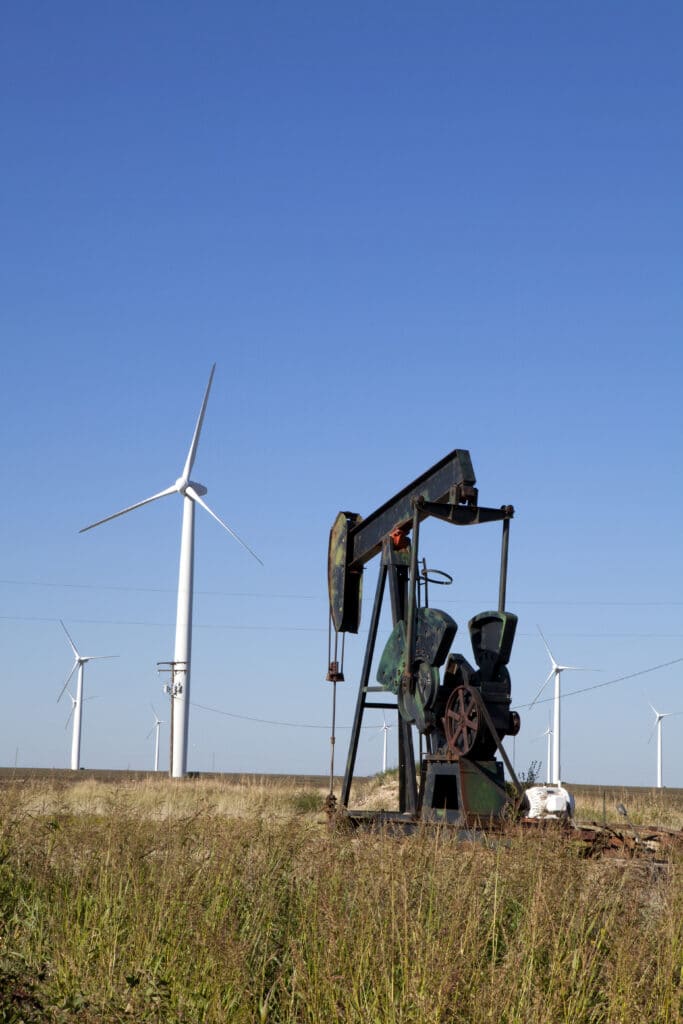
Revealing The 6 Important Differences Of Oil Energy and Wind Energy

Differences Of Oil Energy and Wind Energy

In the evolving landscape of energy production, understanding the intrinsic differences of oil energy and wind energy sources is paramount for consumers, businesses, and policymakers. Among these energy sources, oil and wind stand out with distinct characteristics that influence their adoption and impact. This article explores these differences in detail, highlighting the advantages and challenges of each while introducing you to JMS Energy, a leading provider of wind energy solutions.

Differences Of Oil Energy and Wind Energy

Differences Of Oil Energy and Wind Energy #1: Source and Availability

Oil Energy:
Oil is a fossil fuel derived from the remains of ancient marine organisms, buried under layers of sediment and subjected to intense heat and pressure over millions of years. The availability of oil is limited to certain regions with significant oil fields, like the Middle East, Russia, and North America. These reserves are finite, meaning that oil will eventually run out, making it a non-renewable energy source.

Wind Energy:
Wind energy, in contrast, is harnessed from the movement of air in the Earth’s atmosphere. It is a renewable energy source, as wind is continuously produced by atmospheric changes due to the sun. Wind energy is available worldwide and is particularly abundant in coastal and open plain regions. This global availability makes wind energy an attractive, sustainable alternative to oil.

Differences Of Oil Energy and Wind Energy #2: Environmental Impact

Oil Energy:
The extraction, refining, and burning of oil has significant environmental ramifications. Oil drilling can lead to habitat destruction, oil spills, and pollution of water bodies. Moreover, during combustion, oil releases carbon dioxide, contributing to greenhouse gas emissions and global warming. It also releases other pollutants such as sulfur dioxide and nitrogen oxides, which contribute to acid rain and respiratory problems.

Wind Energy:
Wind energy is one of the cleanest forms of power available today. It generates electricity without burning fuel or emitting carbon dioxide and other harmful pollutants. While the manufacturing and installation of wind turbines have some environmental footprint, the ongoing operation of wind farms is near zero-emission. As a result, wind energy plays a crucial role in combating climate change and reducing air pollution.

Differences Of Oil Energy and Wind Energy #3: Economic Factors

Oil Energy:
The oil industry is deeply entrenched in the global economy, creating jobs and contributing to GDP in oil-rich regions. However, oil prices are highly volatile, influenced by geopolitical events, production cuts or increases by leading oil producers, and shifts in global demand. This volatility can result in economic instability and unpredictable energy costs for consumers and businesses alike.

Wind Energy:
The economic profile of wind energy is increasingly attractive as technology advances. Initial setup costs for wind farms can be high, but operational costs are low, and the price of wind energy continues to decrease as technology improves and scales up. Additionally, wind energy creates jobs in manufacturing, installation, and maintenance, often in rural or economically challenged areas. Stable, predictable pricing of wind energy can contribute to energy security and economic resilience, shielding economies from the unpredictability of fossil fuel markets.

Differences Of Oil Energy and Wind Energy #4: Technological Development

Oil Energy:
While there have been technological advancements in oil extraction methods, such as hydraulic fracturing and offshore drilling, these innovations come with environmental and safety concerns. Enhanced oil recovery techniques aim to maximize output from existing fields, yet they do not address the fundamental challenge of eventual resource depletion.

Wind Energy:
Wind energy technology is rapidly evolving, with improvements in turbine efficiency, design, and grid integration. Innovations such as taller towers, advanced blade designs, and floating wind farms are expanding the viability of wind energy in previously unsuitable locations. Additionally, energy storage solutions and smart grid technologies are addressing intermittency issues, ensuring a more reliable power supply from wind energy.

Differences Of Oil Energy and Wind Energy #5: Infrastructure and Maintenance

Oil Energy:
Oil infrastructure includes well drilling, transportation pipelines, refineries, and distribution networks. While this infrastructure is extensive and well-established, it requires significant ongoing maintenance and is subject to risks such as leaks, spills, and explosions. Rapidly aging infrastructure presents additional challenges as repair and upgrade requirements increase.

Wind Energy:
Wind farms require significant investment in infrastructure, including turbines, transmission lines, and control systems. Once installed, however, the maintenance requirements for wind turbines are relatively low compared to oil infrastructure. Regular inspections and occasional repairs are necessary to ensure efficient operation and longevity. As wind technology improves, maintenance processes are becoming more streamlined and cost-effective.

Differences Of Oil Energy and Wind Energy #6: Energy Efficiency and Conversion

Oil Energy:
Oil’s energy density is one of its advantages; it contains a large amount of energy per unit volume, which is why it has been favored for transportation fuels like gasoline and diesel. However, the conversion of oil into usable energy is inefficient. Combustion engines waste a significant portion of energy as heat, and the extraction and refining processes also consume energy.

Wind Energy:
Wind turbines convert kinetic energy from the wind into electrical energy, with modern units achieving conversion efficiencies of up to 45%. While this may seem lower than oil’s energy density, the vast abundance and renewability of wind compensate for this. Advancements in turbine technology continue to enhance the efficiency of wind-to-electricity conversion.

JMS Energy: Leading the Way in Wind Energy Solutions

Investing in wind energy offers numerous benefits over oil, from environmental sustainability to economic stability and technological adaptability. With these advantages in mind, choosing a reliable partner for wind energy solutions becomes critical. JMS Energy stands out as a leading provider in this field, offering exceptional wind energy services that meet a variety of needs.

Why Choose JMS Energy?

  • Expertise and Experience: JMS Energy boasts years of experience in the wind energy sector, providing tailored solutions that maximize energy production while minimizing costs.
  • Comprehensive Services: From planning and installation to maintenance and optimization, JMS Energy offers end-to-end services designed to seamlessly transition businesses and communities to clean energy.
  • Commitment to Innovation: JMS Energy stays at the forefront of technological advancements in wind energy, ensuring clients benefit from the latest technologies and industry best practices.
  • Sustainability Focus: At JMS Energy, sustainability is more than just a buzzword. Every project is executed with a commitment to preserving the environment and promoting renewable energy adoption.

In conclusion, while both oil and wind energy have roles to play in the current energy ecosystem, the shift towards renewable sources like wind is inevitable and necessary for a sustainable future. By understanding these key differences and leveraging the expertise of companies like JMS Energy, stakeholders can make informed decisions that benefit the environment and economy alike.

JMS Energy: North America’s Top Renewable Contractor Revolutionizing Energy Solutions

Top Renewable Contractor

In the realm of renewable energy, JMS Energy has emerged as a top renewable contractor, leading the way with comprehensive, cutting-edge solutions that span across solar, wind, and battery storage systems. This blog delves into the distinct services that JMS Energy offers, highlighting their expertise and commitment to propelling the renewable energy landscape forward.

Solar Services

Harnessing the Power of the Sun: Solar Services

JMS Energy’s solar services are a cornerstone of their renewable offerings. The company specializes in both the installation and maintenance of solar panels, encompassing ground-mounted systems, and unique photovoltaic solutions. With an emphasis on maximizing energy yield and efficiency, JMS Energy tailors each project to meet the specific environmental and regulatory needs of the location, ensuring sustainable and profitable solar energy solutions.

Wind Services

Capturing the Wind: Wind Services

The expertise of JMS Energy in the wind sector is unparalleled. For over three decades, they have been at the forefront of commercial wind turbine wiring, offering services from new construction to repowering existing units. Their comprehensive service list includes internal tower wiring, mechanical work, and quality assurance and control management. Each project benefits from JMS Energy’s commitment to safety, quality, and teamwork, ensuring that every wind service meets high standards of excellence.

Battery Energy Storage Systems (BESS)

Storing Tomorrow’s Energy Today: Battery Energy Storage Systems (BESS)

As the demand for flexible and reliable energy storage solutions grows, JMS Energy is leading the charge with their Battery Energy Storage Systems (BESS). These systems are crucial for managing energy supply, enhancing grid stability, and maximizing the utilization of generated renewable energy. JMS Energy’s BESS solutions are designed to support grid applications, commercial energy needs, and emergency backup systems, highlighting their adaptability and importance in today’s energy market.

Commitment to Excellence

Across all services, JMS Energy maintains a robust commitment to excellence. This is evident in their strict adherence to safety protocols, their innovative approach to renewable energy solutions, and their collaborative project management processes. By integrating comprehensive training, detailed planning, and advanced technology, JMS Energy ensures that each project not only meets but exceeds industry standards.

JMS Energy

Top Renewable Contractor: Why Choose JMS Energy?

Choosing JMS Energy means partnering with a leader in renewable energy that is dedicated to delivering sustainable, efficient, and cost-effective solutions. Their broad range of services, combined with a deep expertise in the field, positions them uniquely to tackle diverse and complex energy projects. Whether you are looking to harness the power of the sun, capture the wind, or store energy for future use, JMS Energy stands ready as your top renewable contractor in North America.

As a Top Renewable Contractor: Experience Matters

JMS Energy boasts over 30 years of experience in the renewable energy sector, with a particular focus on wind turbines and BESS solutions. This extensive experience translates into a deep understanding of the challenges and opportunities associated with renewable energy projects. Their team of experts has the knowledge and skills to navigate complex projects efficiently and effectively.

Safety First

Safety is paramount in any construction project, and even more so when dealing with renewable energy technologies. JMS Energy prioritizes safety throughout their entire operation, evident in their impressive safety record. This commitment to safety gives you peace of mind knowing your project will be completed with the utmost care and consideration.

Solutions-Oriented Approach

The top renewable contractors don’t just follow instructions; they anticipate challenges and proactively develop solutions. This is exactly what JMS Energy brings to the table. Their solutions-based work ethic ensures they can overcome any obstacle that might arise during your project, keeping things on schedule and within budget.

Teamwork Makes the Dream Work

At JMS Energy, they understand that successful projects require a collaborative effort. Their company culture fosters teamwork and open communication, ensuring everyone involved is on the same page. This collaborative approach leads to smoother project execution and a more satisfying experience for you.

As the world continues to shift towards sustainable energy practices, JMS Energy is your trusted partner in this transformative journey. With a legacy of success and a forward-looking approach, JMS Energy is not just participating in the renewable energy revolution; they are leading it. Choose JMS Energy for your next project and join the movement towards a sustainable energy future.

For more details on their specific services and how they can help with your renewable energy needs, visit their website at JMS Energy.

Follow us on Linkedin

Global Wind Turbine Orders Shatter Previous Year’s Record: Estimated $83 Billion Annual Investment

The recent global increase in wind turbine orders, which reached a record 155 GW in 2023, underscores the rapidly growing need for renewable energy solutions. Notably, this marked a significant rise from previous years, with both China and Western markets experiencing unprecedented order intakes, which collectively propelled annual investments to an estimated $83 billion​. As the demand for renewable energy continues to soar, JMS Energy has positioned itself as a pivotal player in the wind power sector.

Wind Turbine

How JMS Energy is Equipped to Handle Market Increases in Demand

JMS Energy, with its extensive experience and robust safety culture, is uniquely equipped to tackle the challenges and opportunities this growth presents. The company’s dedication to safety, quality, and relationships has made it a leader in renewables for over three decades, earning a reputation for its solutions-based work ethic and the ability to foresee, adapt, and overcome challenges​.

Global Wind Turbine Increase in 2023

The global landscape of wind energy in 2023 showcased significant developments, especially in offshore wind projects, where the mature pipeline saw record activity despite notable headwinds like supply chain issues and price pressures. These factors contributed to a robust momentum heading into 2024, as governments across the globe strengthened policy frameworks to support the sector​.

U.S. Wind Turbine Market Share and JMS Energy

The U.S. market, a key area for JMS Energy, saw a near doubling of order capacity throughout 2023, highlighting the region’s recovery and growth potential. The increase in onshore wind orders, particularly models rated 7 to 9.9 MW, saw a sevenfold increase year-over-year, reflecting a substantial market shift towards higher capacity turbines​. Source

JMS Energy’s extensive capabilities in wind services are further emphasized by its project management expertise, where every detail is meticulously tracked to keep projects on schedule and within budget. The company’s approach aligns well with the industry’s shift towards larger and more efficient wind turbine projects, which are increasingly vital in meeting the escalating demand for renewable energy​.

As the industry evolves, JMS Energy continues to lead with its seasoned teams and an unwavering commitment to project success. The company’s ability to integrate advanced technology and project management excellence ensures that it not only meets but exceeds the expectations in this dynamic energy landscape.

Looking Ahead with JMS Energy

Looking ahead, the wind power sector’s trajectory is set to rise, with further innovations and expansions on the horizon. JMS Energy is well-prepared to be at the forefront of this evolution, leveraging its deep industry knowledge and commitment to excellence, making every project a success in the burgeoning renewable energy market.

For more details on JMS Energy’s services and their impact on the wind power industry, visit JMS Energy’s Wind Services.