
How JMS Energy’s Turnkey Solutions Have Revolutionized Clean Energy– and How They Can Revolutionize Your Projects

The clean energy industry is experiencing an unprecedented surge in demand as companies, communities, and governments prioritize sustainability and renewable energy sources. However, launching a successful renewable energy project is a complex process, involving intricate planning, high-level engineering, rigorous procurement, and seamless execution. JMS Energy stands at the forefront of this industry, offering turnkey solutions that have revolutionized the way clean energy projects are built and operated.

This article explores how JMS Energy’s turnkey solutions have become a game-changer in clean energy and how they can elevate your next renewable energy project.

Understanding Turnkey Solutions in Clean Energy

Turnkey solutions, as offered by JMS Energy, provide a single point of accountability for all aspects of a renewable energy project. From the initial stages of planning and design to final commissioning, every step is managed by an experienced team under one umbrella. This streamlined approach eliminates the inefficiencies that can arise when multiple contractors are involved, ensuring your project stays on track and meets its objectives.

JMS Energy’s turnkey process includes:

  • Engineering: Conducting feasibility studies, environmental impact assessments, and designing energy systems tailored to site-specific conditions.
  • Procurement: Sourcing high-quality materials and cutting-edge technology from trusted suppliers to maximize efficiency and durability.
  • Construction: Overseeing site preparation, installation, and system integration with a focus on safety, precision, and timely execution.
  • Commissioning and Beyond: Verifying system performance and providing ongoing maintenance to ensure long-term operational success.

Turnkey Solutions

Five Ways JMS Energy Is Revolutionizing Clean Energy

1. Streamlined Project Delivery

JMS Energy simplifies project delivery by consolidating multiple services into one integrated process. Traditional renewable energy projects often involve separate contractors for engineering, procurement, and construction, which can lead to communication gaps and delays. By contrast, JMS Energy ensures seamless coordination across all stages, saving time and reducing costs.

2. Unmatched Expertise

With a team of seasoned professionals, JMS Energy has developed a reputation for excellence in the renewable energy sector. Our expertise spans wind energy, solar installations, and battery storage systems, allowing us to tackle even the most complex projects. This experience ensures that every decision is informed by industry-leading knowledge and best practices.

3. Cutting-Edge Technology

Technology is the backbone of effective renewable energy solutions. JMS Energy leverages advanced tools such as 3D modeling, predictive analytics, and automated systems to optimize performance and ensure the reliability of clean energy infrastructure. These technologies reduce inefficiencies, enhance scalability, and maximize energy output.

4. Sustainability as a Priority

At JMS Energy, sustainability is more than a buzzword—it’s a guiding principle. From eco-friendly materials to carbon-conscious construction practices, our turnkey solutions align with the highest environmental standards. This commitment extends to reducing waste, conserving resources, and delivering systems that generate clean energy for decades.

5. Tailored Solutions for Every Client

No two projects are alike, and JMS Energy thrives on delivering customized solutions to meet unique client needs. Whether you’re launching a utility-scale solar farm or upgrading a small community wind project, JMS Energy adapts its approach to fit your specific goals, timelines, and budgets.

Real-World Examples of JMS Energy’s Impact

Transforming Wind Farms

JMS Energy has played a pivotal role in the modernization and expansion of wind farms across the country. In one recent project, we repowered an aging wind installation by upgrading turbines, increasing output efficiency by 25%, and extending the lifespan of the facility by 20 years. This project not only enhanced energy production but also reduced maintenance costs for the client.

Driving Solar Innovation

Through our turnkey solutions, JMS Energy has completed several solar energy projects that have empowered clients to achieve energy independence. For instance, a 100-acre solar farm constructed by JMS Energy now powers over 10,000 homes while cutting CO₂ emissions by thousands of tons annually. The project was delivered on schedule and under budget, thanks to our streamlined processes.

Advancing Battery Storage

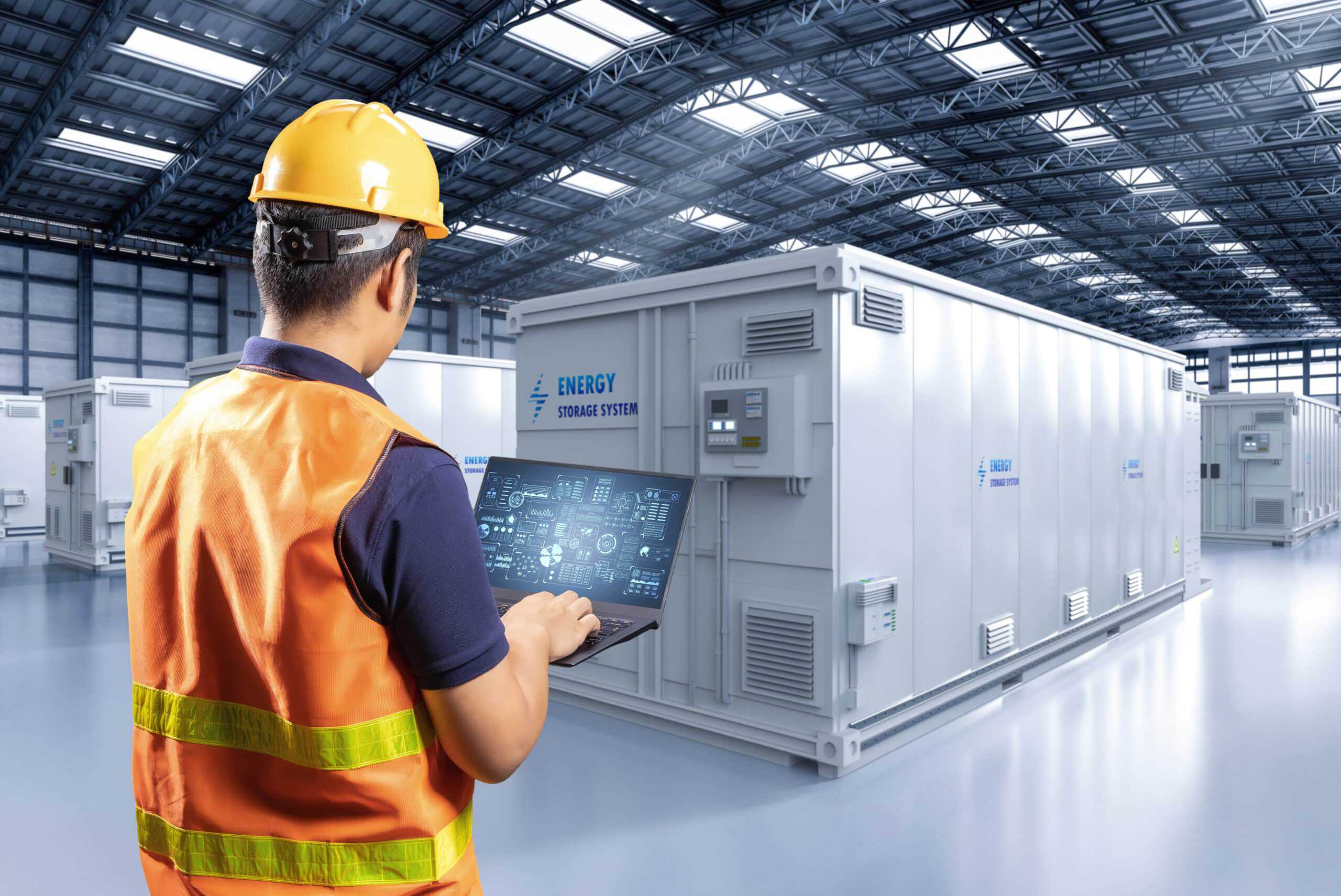
JMS Energy is a leader in integrating battery storage systems into renewable energy projects. By pairing solar and wind installations with cutting-edge storage solutions, we enable clients to balance energy supply and demand, enhance grid reliability, and capitalize on peak usage times.

How JMS Energy Can Revolutionize Your Projects

JMS Energy’s turnkey solutions are designed to simplify your journey from concept to completion. Here’s how we can elevate your next project:

1. Site Assessment and Planning

Our process begins with a detailed assessment of your site, including geographical analysis, resource potential, and grid connectivity. This thorough planning ensures that your renewable energy system is optimized for maximum output and efficiency.

2. End-to-End Project Management

From permitting and compliance to logistics and construction, JMS Energy manages every detail. This single-source accountability ensures that projects stay on schedule and within budget, eliminating the headaches of coordinating multiple contractors.

3. Superior Construction and Integration

Our construction teams are equipped with the latest tools and technologies to execute projects with precision. JMS Energy also ensures seamless integration of energy systems into the grid, providing real-time monitoring and control capabilities.

4. Post-Completion Support

Our commitment doesn’t end at commissioning. JMS Energy offers ongoing maintenance, upgrades, and system optimization to keep your renewable energy investment performing at its peak. Our responsive support teams are always ready to address any issues that arise.

Why JMS Energy Is the Ideal Partner

Choosing JMS Energy means partnering with a company that understands the stakes and the potential of renewable energy. Here’s why clients trust us:

  • Proven Track Record: With dozens of successful projects under our belt, JMS Energy has demonstrated its ability to deliver results.
  • Focus on ROI: Our solutions are designed to maximize energy output while minimizing costs, ensuring that your investment pays dividends.
  • Sustainability Leadership: JMS Energy’s commitment to green practices ensures that your project contributes to a cleaner, healthier planet.
  • Customer-Centric Approach: We prioritize open communication, transparency, and collaboration, making your goals our top priority.

The Future of Clean Energy, Powered by JMS Energy

As the renewable energy sector continues to expand, the need for efficient, reliable, and scalable solutions is greater than ever. JMS Energy’s turnkey solutions are uniquely positioned to meet this demand, offering a combination of innovation, expertise, and sustainability that is second to none.
Contact JMS Energy here to discover how our turnkey solutions can revolutionize your next renewable energy project. Let us help you achieve your goals while contributing to a greener, more sustainable future.

10 Tips for Good Turbine Maintenance

Turbine maintenance is a critical aspect of ensuring the efficiency, reliability, and longevity of wind energy systems. As renewable energy gains momentum, maintaining wind turbines effectively is essential to maximizing energy output and minimizing downtime. Here are 10 practical tips for good turbine maintenance that will help ensure your wind energy assets perform at their best:

1. Develop a Comprehensive Maintenance Plan

A well-structured maintenance plan is foundational for effective turbine upkeep. This plan should include detailed timelines for inspections, preventive maintenance, and scheduled repairs. Make sure to account for manufacturer recommendations, the specific operational environment of your turbines, and historical performance data. Utilizing a computerized maintenance management system (CMMS) can streamline scheduling and ensure nothing is overlooked.

2. Conduct Regular Inspections

Regular inspections are crucial for early problem detection. Create a checklist that includes examining the structural integrity of the tower, blades, and nacelle. Look for cracks, corrosion, or unusual noises during operation. Advanced tools, such as infrared thermography and ultrasonic testing, can help uncover hidden issues in mechanical or electrical systems.

3. Monitor Blade Health

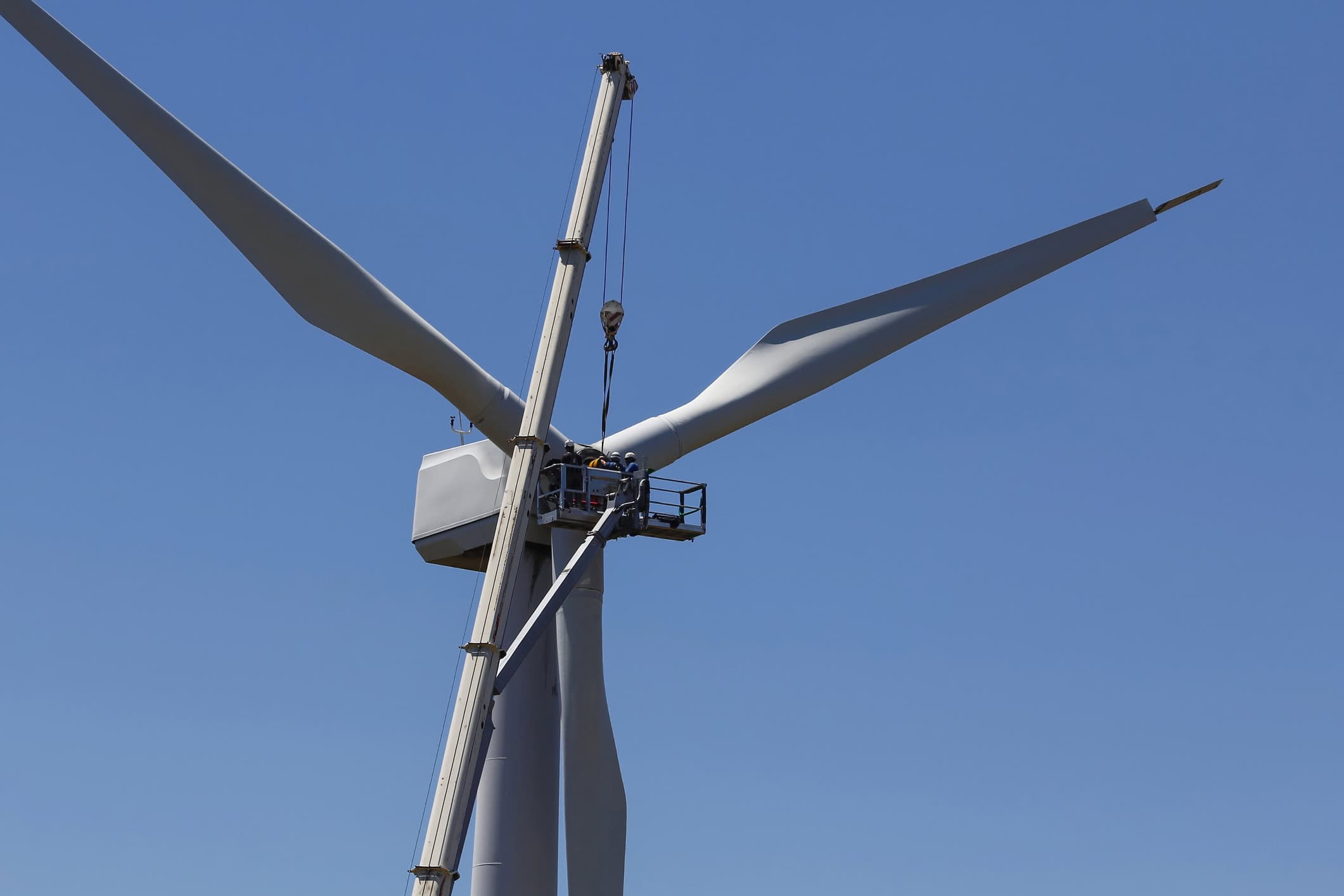
Wind turbine blades face significant wear from constant exposure to the elements. Conduct thorough inspections for cracks, delamination, and leading-edge erosion. Clean blades to remove debris and pollutants that can affect aerodynamic performance. Utilize sensors or drones equipped with high-resolution cameras for precise assessments, reducing the need for manual climbs

4. Lubricate Moving Parts

Proper lubrication is a non-negotiable aspect of turbine maintenance. Focus on components like the main bearings, pitch mechanisms, yaw systems, and gearboxes. Document lubricant usage to track consumption patterns, which might indicate leaks or other problems. Invest in automated lubrication systems to ensure consistency and reduce manual labor.

5. Ensure Electrical System Integrity

The electrical system is the backbone of a wind turbine’s operation. Regularly check all wiring, converters, and transformers for wear and corrosion. Perform insulation resistance tests to detect potential faults. Maintain clean and secure electrical connections, and keep spare fuses and breakers on hand to minimize downtime during unexpected failures.

6. Optimize Cooling Systems

Overheating can lead to significant damage to the gearbox and generator. Ensure that cooling fans, heat exchangers, and filters are cleaned regularly and functioning properly. Monitor coolant levels and inspect for leaks. Use predictive maintenance tools to track temperature trends and address potential overheating before it escalates.

7. Analyze Performance Data

Advanced analytics is a powerful tool in turbine maintenance. SCADA systems provide real-time data on turbine performance, allowing operators to monitor key metrics like vibration, torque, and energy output. Establish thresholds for normal operations and investigate deviations immediately. Historical data analysis can also guide proactive maintenance decisions.

8. Plan for Seasonal Challenges

Environmental factors like extreme temperatures, snow, ice, and storms can pose unique challenges to turbine maintenance. Prepare your turbines for cold weather by installing de-icing systems and using cold-resistant lubricants. In warmer months, focus on ensuring proper ventilation and cooling. Conduct weather-specific training for technicians to address these conditions effectively.

9. Train and Certify Technicians

Your maintenance team is your first line of defense against turbine issues. Provide comprehensive training on safety protocols, new diagnostic tools, and advanced repair techniques. Certification programs ensure that your technicians meet industry standards, which can also boost confidence among stakeholders and clients.

10. Partner with Experts

Outsourcing certain aspects of turbine maintenance can enhance efficiency and cost-effectiveness. JMS Energy offers specialized services tailored to the needs of wind farm operators. From blade repair to comprehensive system diagnostics, our team leverages the latest technology and expertise to keep your turbines running at peak performance.

Why JMS Energy?

At JMS Energy, we understand the intricacies of turbine maintenance and its impact on renewable energy operations. Our customized maintenance plans, state-of-the-art diagnostic tools, and skilled technicians ensure optimal performance for your wind energy assets. We prioritize minimizing downtime and maximizing energy production, delivering reliable and cost-effective solutions tailored to your needs.

Turbine Maintenance

Frequently Asked Questions

1. How often should wind turbines be inspected? Regular inspections should be conducted at least quarterly, with more comprehensive servicing performed annually. Adapting the frequency based on environmental conditions and turbine usage is also advisable.

2. What are the most common issues in turbine maintenance? Blade damage, gearbox failures, electrical faults, and cooling system inefficiencies are common issues. Proactive measures, like regular inspections and data monitoring, can mitigate these risks.

3. How can advanced technology aid turbine maintenance? Technologies like drones, SCADA systems, and condition-monitoring sensors can identify issues early, reduce manual inspection risks, and optimize overall maintenance processes.

4. Why is lubrication so critical? Lubrication minimizes wear and tear, prevents overheating, and extends the lifespan of critical components. Neglecting it can lead to costly repairs or total system failures.

5. How can JMS Energy support turbine maintenance? JMS Energy provides end-to-end maintenance services, including inspections, advanced diagnostics, and repairs. Our expertise ensures that your turbines remain efficient and reliable, maximizing your return on investment.

By following these detailed tips and collaborating with JMS Energy, you can ensure the long-term success of your wind energy projects. Contact us today to discover how we can elevate your turbine maintenance strategy!

Wind Turbines vs. Windmills: Spinning Through the Differences

Windmills or Wind Turbines? When driving through America’s vast countryside, you might spot tall, sleek structures with massive rotating blades reaching toward the sky. While many people casually refer to these as “windmills,” they’re actually wind turbines – and the difference is more than just semantic. Let’s explore these two technologies with the help of insights from JMS Energy, a leading force in renewable energy with over three decades of experience in the wind power industry.

The Historic Windmill: More Than Just Don Quixote’s Nemesis

Windmills have been around for over a millennium, with the earliest recorded designs dating back to ancient Persia around 500-900 CE. These traditional structures were revolutionary for their time, harnessing wind energy to perform mechanical work directly. The classic Dutch windmill, for instance, would use wind power to pump water or grind grain into flour – hence the “mill” in windmill.

Windmill

The Evolution of Windmill Technology

The journey of windmill technology tells a fascinating story of human innovation:

  • Persian Windmills (500-900 CE)
  • Vertical axis design
  • Used for grinding grain
  • Built from reed mats and wood
  • Featured 6-12 sails
  • European Post Mills (1200s)
  • First horizontal axis designs
  • Entire structure rotated to face the wind
  • Primarily used for grinding grain
  • Four-blade wooden design
  • Dutch Windmills (1400s-1800s)
  • Tower mills with rotating caps
  • Multiple levels for different operations
  • Used for draining polders (low-lying land)
  • Complex gearing systems
  • American Farm Windmills (1800s)
  • Steel construction
  • Self-regulating design
  • Primarily used for water pumping
  • Multiple small blades in a wheel configuration

Traditional windmills convert wind energy into mechanical energy through a direct drive system. The spinning blades connect to millstones or pump mechanisms, creating a simple but effective machine that helped power agricultural communities for centuries.

Modern Wind Turbines: Power Plants in the Sky

In contrast, wind turbines, like the thousands installed by JMS Energy across 32 states, are sophisticated power generation facilities. These modern marvels convert wind energy into electrical power through a complex system of components. When wind pushes against the aerodynamically designed blades, they rotate a shaft connected to a generator, which produces electricity that feeds into the power grid.

Anatomy of a Modern Wind Turbine

Let’s break down the key components that make these giants work:

  • Blades
  • Aerodynamic design based on aircraft wing principles
  • Usually made from composite materials like fiberglass and carbon fiber
  • Length can exceed 265 feet
  • Pitch control systems adjust angle for optimal performance
  • Nacelle
  • Houses the generator and gearbox
  • Contains sophisticated monitoring equipment
  • Features cooling systems
  • Includes yaw control to face the wind
  • Tower
  • Heights reaching over 500 feet
  • Built to withstand extreme weather
  • Contains power cables and access ladder
  • Features multiple internal platforms
  • Foundation
  • Extensive underground concrete structure
  • Engineered for specific soil conditions
  • Can use up to 500 cubic yards of concrete
  • Designed to last 25+ years

Since 2008, JMS Energy has installed over 6,500 wind turbines, contributing significantly to America’s renewable energy infrastructure. Each turbine is a testament to modern engineering, featuring advanced technologies like:

  • SCADA systems for remote monitoring and control
  • Sophisticated blade designs that maximize energy capture
  • Complex electrical systems for power conversion and transmission
  • Smart grid integration capabilities
  • Advanced weather monitoring systems
  • Predictive maintenance technology

The Science Behind the Spin

Windmill Physics

Traditional windmills operate on relatively simple principles:

  • Direct mechanical energy transfer
  • Fixed or manually adjusted blade angles
  • Limited speed control
  • Primarily operates in lower wind speeds
  • Efficiency focused on mechanical power transfer

Wind Turbine Aerodynamics

Modern wind turbines employ sophisticated aerodynamic principles:

  • Bernoulli’s principle for lift generation
  • Variable pitch control for optimal performance
  • Cut-in and cut-out wind speeds for safety
  • Complex wake management in wind farms
  • Advanced materials for reduced turbulence

JMS Energy: Powering the Wind Revolution

With their extensive experience in wind energy, JMS Energy has witnessed and participated in the evolution of wind power technology. Their portfolio includes everything from initial site assessment and design to construction and maintenance of wind facilities. Their comprehensive capabilities include:

Design and Planning

  • Geotechnical analysis
  • Civil engineering
  • Electrical system design
  • Structural engineering
  • SCADA system integration
  • Environmental impact studies

Construction Capabilities

  • Infrastructure development
  • Foundation construction
  • Tower assembly
  • Blade installation
  • Electrical systems integration
  • Testing and commissioning

Specialized Services

  • Repowering existing installations
  • Performance optimization
  • Preventive maintenance
  • Emergency repairs
  • Environmental compliance
  • Safety training and implementation

The company’s commitment to safety and quality has made them a leader in the industry, with a perfect safety record (0.00 TRIR for 2021-2023) while working over 430,000 manhours.

Wind Power: By the Numbers

Let’s look at some fascinating statistics about modern wind power:

  • A single large wind turbine can power approximately 1,500 homes
  • Modern turbine blades spin at 10-20 rotations per minute
  • Wind farms typically operate at 98% availability
  • The US wind industry employs over 120,000 workers
  • Wind power costs have decreased by 70% since 2009

Environmental Impact

Traditional Windmills

  • Minimal environmental impact
  • Small footprint
  • No emissions
  • Limited wildlife interaction
  • Local material construction

Modern Wind Turbines

  • Zero operational emissions
  • Bird and bat protection systems
  • Noise reduction technology
  • Shadow flicker mitigation
  • End-of-life recycling programs

The Future of Wind Energy

The wind energy sector continues to evolve, with exciting developments on the horizon:

Emerging Technologies

  • Floating offshore wind turbines
  • Airborne wind energy systems
  • Bladeless turbine designs
  • Smart grid integration
  • Energy storage solutions
  • Increasing turbine sizes
  • Enhanced efficiency through AI
  • Improved materials and designs
  • Greater grid integration
  • Hybrid renewable systems

JMS Energy’s Role in the Future

As the industry evolves, JMS Energy remains at the forefront of wind power innovation. Their experience spanning 32 states and over 230 projects positions them uniquely to tackle the challenges of tomorrow. Their commitment to safety, quality, and continuous improvement drives the industry forward.

In Conclusion

While traditional windmills hold a special place in human history as mechanical workhorses, modern wind turbines represent one of our best hopes for a sustainable energy future. Companies like JMS Energy are at the forefront of this renewable energy revolution, helping to transform the American landscape with clean, efficient power generation.

The next time someone points to a wind turbine and calls it a windmill, you can explain that while both harness the power of the wind, modern wind turbines are far more sophisticated machines designed specifically for power generation. They’re not fighting giants like Don Quixote’s windmills – they’re fighting climate change, one rotation at a time.

Want to learn more about wind energy solutions? JMS Energy’s experienced teams are ready to tackle your next renewable energy project with their proven track record of safety, quality, and expertise in wind power infrastructure. With projects completed across the nation and a deep understanding of the industry’s intricacies, JMS Energy continues to lead the way in renewable energy construction and innovation.

9 Reasons Why The Premier Fiber Optic Tester is JMS Energy

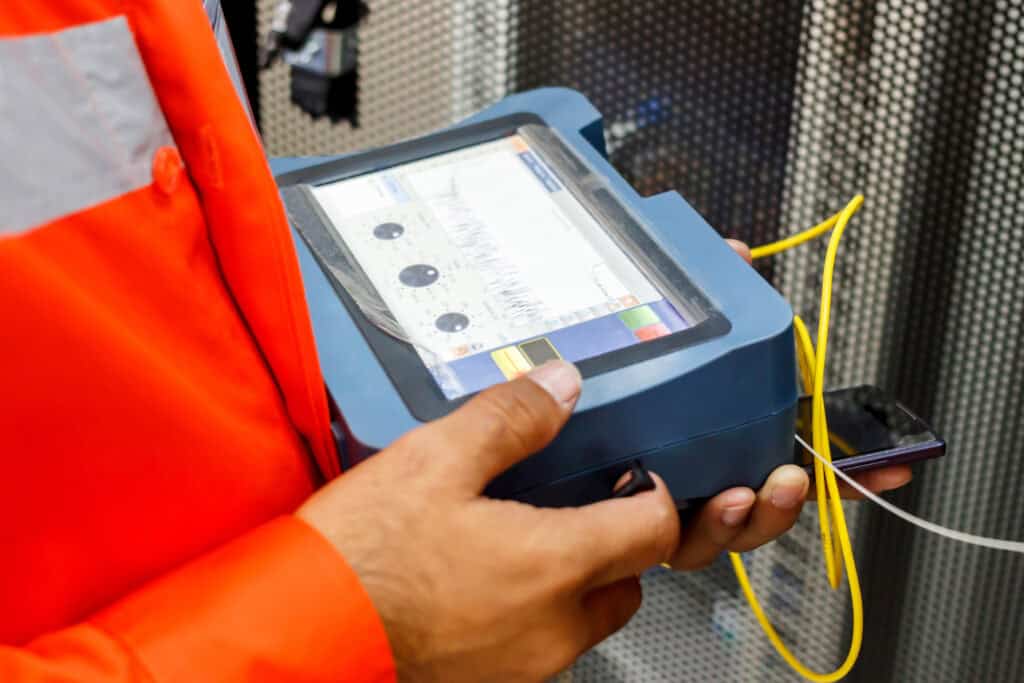
Fiber Optic Tester

In the rapidly evolving world of telecommunications, it becomes essential to find the best Fiber Optic Tester. With the increasing demand for high-speed internet and robust communication channels, selecting a trusted fiber optic tester is crucial. JMS Energy has positioned itself as a leader in this field, offering unparalleled services and solutions that cater to the diverse needs of their clients. Here are the key reasons why JMS Energy stands out as the best choice for fiber optic testing:

Fiber Optic Tester

1. Experienced Fiber Optic Testers

One of the most significant advantages of choosing JMS Energy is their extensive experience in the industry. With years of dedicated service, JMS Energy has honed their skills and knowledge, making them experts in fiber optic testing. Their team is comprised of highly trained professionals who understand the complexities and nuances of fiber optic networks. This expertise allows them to accurately diagnose and troubleshoot issues, guaranteeing minimal downtime and optimal performance for their clients. The experience JMS Energy brings to the table is a testament to their commitment to delivering top-notch services consistently.

2. Comprehensive Testing Solutions

JMS Energy offers an extensive range of testing solutions that cover all aspects of fiber optic networks. Their services are designed to address every stage of a network’s lifecycle, from installation to maintenance and troubleshooting. Utilizing state-of-the-art equipment, JMS Energy conducts thorough inspections to ensure the integrity and performance of fiber optic cables. They employ multiple methodologies such as Optical Time Domain Reflectometry (OTDR), insertion loss testing, and visual fault location. This comprehensive approach ensures that all potential issues are identified and resolved quickly, maintaining the network’s reliability and efficiency.

3. Advanced Technology and Equipment

To provide the most accurate and reliable fiber optic testing, JMS Energy invests in the latest technology and equipment. They utilize cutting-edge tools that enable their technicians to perform precise measurements and assessments. By staying at the forefront of technology, JMS Energy ensures that their testing services are not only accurate but also efficient, reducing the time required for testing and minimizing disruptions to the network. This commitment to using advanced technology reflects JMS Energy’s dedication to providing their clients with the best possible solutions.

4. Customized Testing Programs

Recognizing that every client has unique needs and challenges, JMS Energy offers customized testing programs tailored to meet specific requirements. Their approach involves a thorough understanding of the client’s network and goals, allowing them to develop a testing plan that maximizes efficiency and effectiveness. By providing tailored solutions, JMS Energy ensures that their clients receive the most relevant and impactful testing services, ultimately enhancing the performance and longevity of their fiber optic networks.

5. Commitment to Quality and Standards

At the heart of JMS Energy’s fiber optic testers have an unwavering commitment to quality and adherence to industry standards. They follow stringent protocols and guidelines to ensure that all testing procedures are conducted with precision and professionalism. JMS Energy’s dedication to quality is evident in their attention to detail and rigorous quality control measures that are implemented throughout the testing process. By adhering to industry standards, JMS Energy guarantees that their testing services are not only reliable but also compliant with regulatory requirements, providing peace of mind to their clients.

6. Exceptional Customer Service and Support

JMS Energy’s commitment to excellence extends beyond their technical capabilities; it is also reflected in their customer service. Their team is dedicated to providing exceptional support to their clients, ensuring that all inquiries and concerns are addressed promptly and effectively. JMS Energy believes in building strong, long-lasting relationships with their clients, and they achieve this by fostering open communication and providing ongoing support. This customer-centric approach ensures that clients have a positive experience throughout their engagement with JMS Energy, further reinforcing their reputation as the best in the business.

7. Proven Track Record of Satisfactory Fiber Optic Testers

JMS Energy’s reputation as a leading fiber optic tester is supported by their proven track record and numerous positive client testimonials. Their portfolio of successful projects and satisfied clients speaks volumes about their capability and reliability. Clients consistently praise JMS Energy for their professionalism, expertise, and ability to deliver results. These testimonials serve as a testament to JMS Energy’s effectiveness in meeting and exceeding client expectations, solidifying their position as the best choice for fiber optic testing services.

8. Competitive Pricing and Value for Money

While JMS Energy offers premium fiber optic testing services, they also understand the importance of providing value for money. Their pricing structure is competitive, ensuring that clients receive top-quality services without breaking the bank. JMS Energy is committed to delivering the best possible outcomes for their clients, providing exceptional value through their comprehensive and efficient testing solutions. By balancing quality and affordability, JMS Energy makes high-end fiber optic testing accessible to a wide range of clients.

9. Continuous Improvement and Innovation

In the telecommunications industry, staying ahead of the curve is crucial. JMS Energy is committed to continuous improvement and innovation, consistently exploring new techniques and technologies to enhance their testing services. This proactive approach allows them to adapt to changes in the industry and maintain their status as leaders in fiber optic testing. By prioritizing innovation, JMS Energy ensures that their clients benefit from the latest advancements and cutting-edge solutions in fiber optic testing.

Conclusion – Fiber Optic Tester

Choosing the right fiber optic tester is a decision that can significantly impact the performance and reliability of your network. JMS Energy sets the standard in the industry with their expertise, comprehensive solutions, state-of-the-art technology, and unwavering commitment to quality. Their customized testing programs, exceptional customer service, and competitive pricing make them the obvious choice for anyone seeking the best in fiber optic testing services. Trust JMS Energy to deliver excellence and ensure the optimal performance of your fiber optic network.

On-Job Safety in the Renewable Energy Industry: Protecting the Workforce Behind the Green Revolution

As the renewable energy industry experiences unprecedented growth, ensuring worker on-job safety is an essential aspect of its success. With solar farms stretching across deserts, wind turbines towering over plains, and bioenergy plants transforming waste into power, the potential hazards for workers in this sector are as varied as the technologies themselves. This article explores the unique safety challenges of the renewable energy industry, examines real-world strategies to address them, and highlights JMS Energy’s commitment to upholding the highest safety standards.


On-Job Safety

Understanding the On-Job Safety Challenges in Renewable Energy

The renewable energy industry encompasses a wide range of technologies, each with its own unique risks. From solar panel installation to wind turbine maintenance, employees face a host of safety concerns that require careful planning and mitigation.

1. Falls from Heights

Wind turbine technicians and solar installers frequently operate at great heights, exposing them to the risk of falls. Wind turbines often exceed heights of 280 feet, and the climbing process alone presents challenges. The National Safety Council identifies falls as one of the leading causes of workplace injuries and fatalities across all industries, and in renewable energy, the risk is amplified by environmental factors such as strong winds and extreme weather conditions.

2. Electrical Hazards

High-voltage equipment is a staple in renewable energy systems. Workers who install, repair, or maintain photovoltaic (PV) panels or wind turbines are at risk of electrocution or arc flash incidents. Solar panel installations involve direct current (DC) circuits, which can pose additional dangers due to their constant flow of electricity.

3. Confined Spaces

Many renewable energy maintenance tasks require entry into confined spaces, such as wind turbine nacelles or underground storage areas in geothermal plants. Confined spaces can present risks like low oxygen levels, exposure to hazardous gases, and difficulty in emergency evacuation.

4. Moving Machinery

Renewable energy facilities often feature complex machinery. Without proper training and safety protocols, workers are at risk of injuries caused by moving parts, chemical burns, or even explosions. According to the Occupational Safety and Health Administration (OSHA), improper machinery operation is one of the most common safety violations.

5. Hazardous Substances

The handling of hazardous chemicals, such as those used in battery storage systems or bioenergy processes, can result in serious health risks. Exposure to these substances, if improperly managed, can lead to burns, respiratory issues, or long-term illnesses.

6. Extreme Weather Conditions

Many renewable energy projects are located in remote or harsh environments, such as deserts for solar farms or offshore sites for wind turbines. Workers are often exposed to extreme temperatures, storms, or even freezing conditions, which can contribute to injuries or illnesses.


Best Practices for Enhancing On-Job Safety

To address these challenges, renewable energy companies must adopt comprehensive safety strategies tailored to their specific operations.

1. Comprehensive On-Job Safety Training

Training programs must be tailored to the specific hazards of the job. For example, wind turbine technicians should receive training on safe climbing techniques and fall protection equipment, while solar panel installers should learn about electrical safety protocols. Regular training updates help workers stay informed about new technologies and evolving risks.

2. Routine Equipment Maintenance

Properly maintained equipment is essential to preventing accidents. Conducting regular inspections and promptly addressing mechanical issues can mitigate risks. Documentation of maintenance activities not only ensures compliance with safety regulations but also fosters a culture of accountability.

3. Utilizing Personal Protective Equipment (PPE)

Personal protective equipment (PPE) is a cornerstone of workplace safety. Helmets, harnesses, gloves, and protective eyewear are critical for safeguarding workers. Ensuring proper use and maintenance of PPE is equally important—ill-fitting or damaged equipment can reduce its effectiveness.

4. Conducting Risk Assessments

Before any project begins, companies should conduct thorough risk assessments to identify potential hazards. This includes analyzing environmental factors, evaluating equipment safety, and developing mitigation strategies for identified risks. Regular audits ensure ongoing safety compliance.

5. Emergency Preparedness Plans

Emergency response plans are vital in mitigating the impact of workplace incidents. Companies should establish clear protocols for evacuations, first aid, and rescue operations. Conducting regular drills helps ensure that workers are prepared to act swiftly in real-life scenarios.

6. Embracing On-Job Safety Technology

Advancements in technology have opened new opportunities for enhancing safety. Drones, for instance, can inspect wind turbines and solar farms without putting workers at risk. Wearable devices, such as smart helmets or harnesses with sensors, can monitor worker health and alert teams to potential dangers.

7. Promoting a Safety Culture

Creating a workplace culture where safety is prioritized at every level fosters greater awareness and vigilance among employees. Encouraging open communication about safety concerns and rewarding proactive behavior are effective ways to build this culture.


Case Study: JMS Energy’s Safety-First Approach

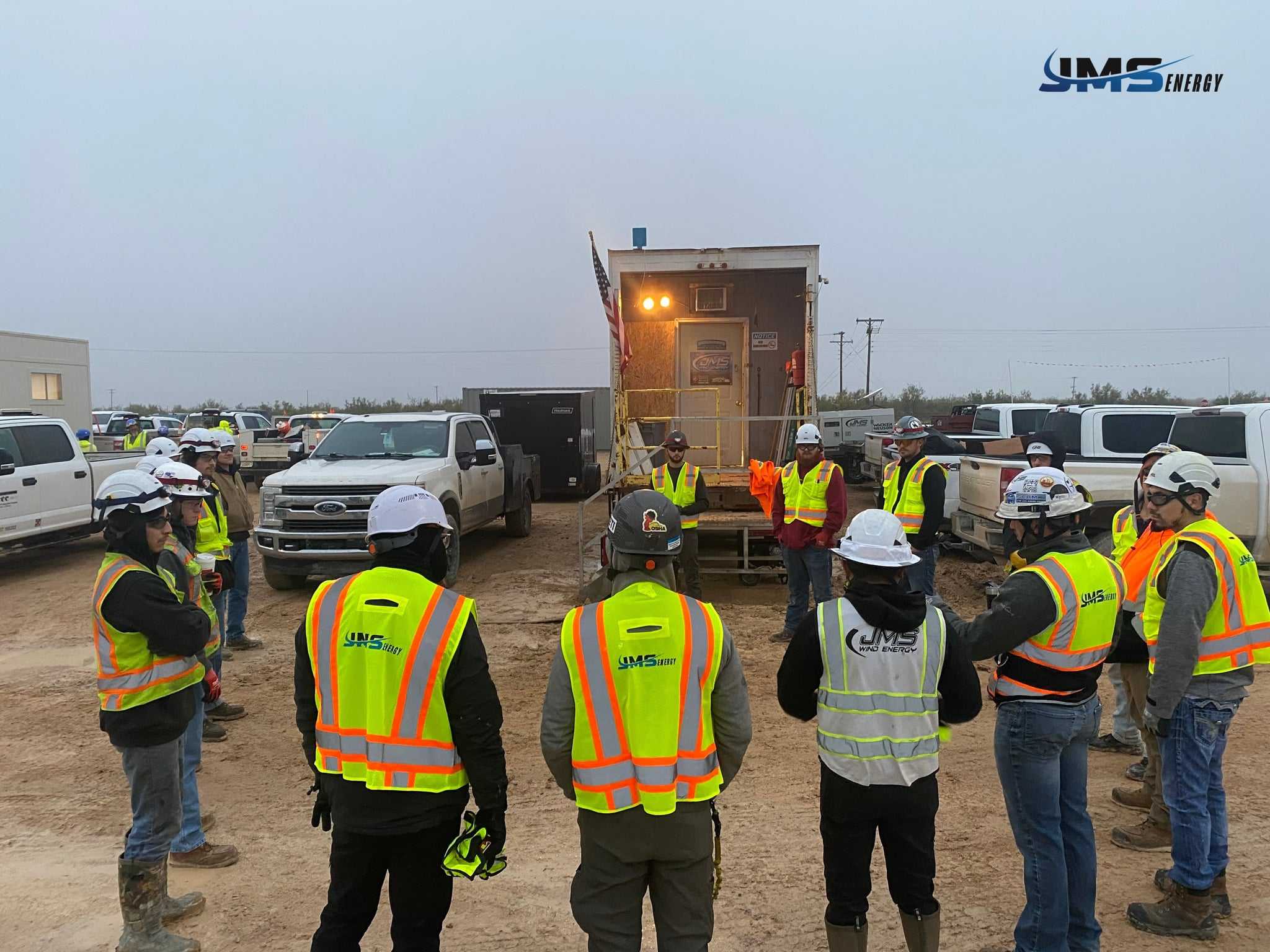
JMS Energy exemplifies how renewable energy companies can prioritize safety while delivering world-class services. Safety is a core value integrated into every aspect of JMS Energy’s operations, from project planning to execution.

  • Leadership Commitment: JMS Energy’s leadership actively promotes a culture of safety, setting the tone for the entire organization. Managers and executives lead by example, ensuring that safety is not just a policy but a daily practice.
  • Employee Empowerment: Workers are encouraged to take an active role in safety practices, from identifying potential hazards to participating in safety committees. This inclusive approach fosters accountability and collective responsibility.
  • Comprehensive Safety Policies: JMS Energy employs rigorous safety protocols tailored to the unique demands of renewable energy projects. These include fall protection systems for wind turbine technicians, electrical safety guidelines for solar panel installations, and confined space procedures for maintenance teams.
  • Continuous Improvement: The company conducts regular safety audits and incorporates feedback from employees to refine its practices. By staying ahead of industry trends and embracing innovation, JMS Energy ensures that safety measures evolve with the industry.

Why Safety Matters in Renewable Energy

The importance of on-job safety extends beyond compliance with regulations. A strong safety record has far-reaching benefits, including:

  • Worker Well-Being: Ensuring safety reduces injuries and illnesses, fostering a healthier, more satisfied workforce.
  • Operational Efficiency: Minimizing accidents reduces downtime and associated costs, allowing projects to stay on schedule and within budget.
  • Industry Reputation: A commitment to safety enhances a company’s reputation, making it an attractive partner for clients and investors.
  • Environmental Stewardship: Safe practices minimize the risk of environmental incidents, aligning with the industry’s broader mission of sustainability.

The Future of Safety in Renewable Energy

As renewable energy technologies continue to advance, so too must safety practices. Emerging trends, such as the integration of artificial intelligence in safety monitoring and the development of new materials for PPE, promise to make the industry even safer. However, the foundation of safety will always be a commitment to protecting the people who power the green revolution.


Conclusion

On-job safety in the renewable energy industry is not merely a regulatory obligation—it is a moral imperative and a key driver of success. By understanding the unique challenges of this sector and implementing comprehensive safety strategies, companies can protect their workers while contributing to a sustainable future. JMS Energy’s unwavering dedication to safety serves as a model for others, demonstrating that prioritizing safety leads to better outcomes for employees, businesses, and the planet.

FAQ 101 on JMS’s Premier Substation Design Urban Services

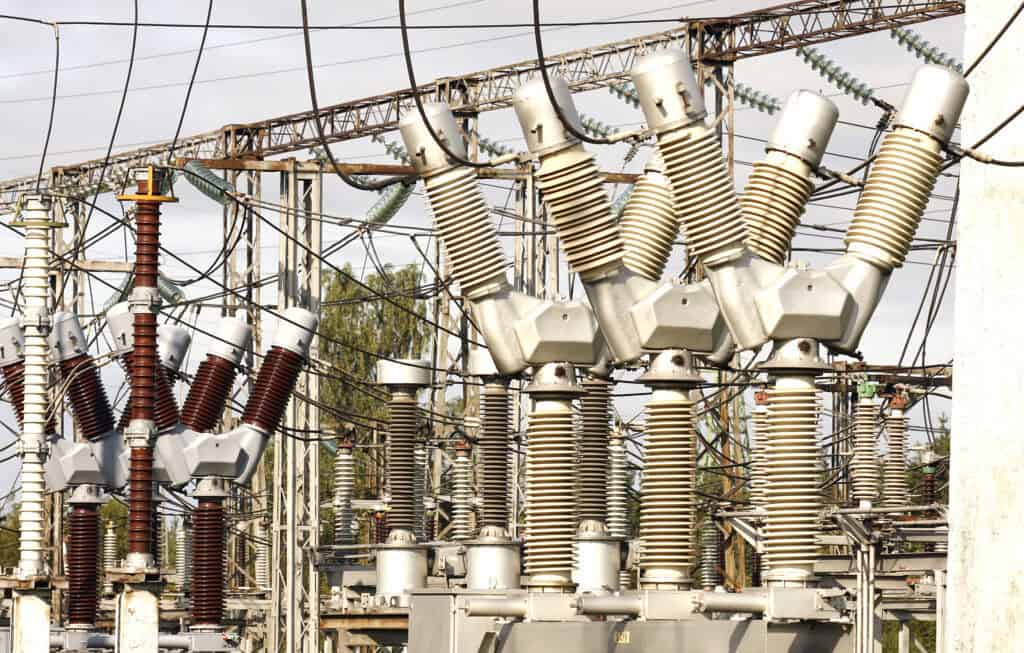
substation design urban

In the increasingly crowded confines of urban areas, the demand for substation design urban services is higher than ever. The design of electrical substations in urban settings requires a unique blend of ingenuity, careful planning, and cutting-edge technology. Companies like JMS have distinguished themselves as leaders in urban substation design, overcoming challenges to deliver reliable power solutions. This FAQ provides detailed insights into why JMS’s substation design services are unparalleled in metropolitan landscapes.

substation design urban

Substation Design urban Services #1: What Makes JMS Stand Out in Urban Substation Design?

JMS excels in urban substation design due to its holistic approach that integrates advanced engineering techniques with an in-depth understanding of the urban environment. This company leverages its extensive industry experience to navigate the complexities that urban areas present, such as space constraints, noise pollution regulations, safety standards, and aesthetic considerations. Furthermore, JMS’s commitment to innovation means that they constantly incorporate the latest technologies to optimize performance and reliability, ensuring that their substation designs not only meet but exceed client needs and regulatory requirements.

Substation Design urban Services #2: How Does JMS Incorporate Sustainability into Their Urban Substation Designs?

Sustainability is a cornerstone of JMS’s design philosophy. Given the growing emphasis on green technology and energy efficiency, JMS implements eco-friendly practices in every aspect of their substation projects. Their designs often include solar power solutions, aligning energy distribution with renewable energy generation initiatives. By incorporating advanced energy storage systems and energy management software, JMS optimizes the use of renewable energies, thereby reducing the environmental impact and operational costs of the substations.

Moreover, JMS’s approach to using sustainable materials and construction practices ensures that their substations have minimal footprints and blend seamlessly into their urban surroundings. By prioritizing sustainability, JMS not only meets regulatory standards but also contributes to a greener future for urban communities.

Substation Design urban Services #3: How Does JMS Address the Space Constraints of Urban Substation Design?

Space is a premium commodity in urban areas, and substation design must accommodate these limitations without sacrificing functionality. JMS tackles this challenge with innovative space-saving technologies and strategies. They utilize modular substation designs that can be easily adapted and expanded as necessary. This approach not only saves space but also enhances the flexibility of the substation.

Additionally, JMS employs vertical substation designs where traditional horizontal layouts are impractical. This method maximizes available space while providing the necessary capacity for growing urban populations. Their adept use of modern computational tools enables JMS to simulate various design scenarios, optimizing layouts to make the most of limited urban spaces efficiently.

Substation Design urban Services #4: In What Ways Does JMS Ensure the Reliability of Their Urban Substation Designs?

Reliability is crucial in urban environments where electricity demand is continuously high and critical infrastructure depends on uninterrupted power supply. JMS ensures the reliability of their substations through rigorous design processes that incorporate redundancy, high-quality materials, and state-of-the-art technology. Their engineers conduct comprehensive risk assessments to identify potential vulnerabilities, allowing for proactive measures to be implemented.

By integrating smart technology and real-time monitoring systems into their substations, JMS enables quick responses to any issues that arise, minimizing downtime. Their designs also consider future scalability, ensuring that substations can adapt to evolving energy needs without significant overhauls.

Substation Design urban Services #5: How Does JMS Ensure Safety in Their Urban Substation Designs?

Safety is paramount for JMS, particularly in densely populated urban areas where the stakes are high. Their commitment to safety begins at the design phase, where they adhere to the latest safety standards and regulations. JMS utilizes advanced fire protection systems, secure fencing, and access control technologies to protect their substations from internal and external threats.

By employing predictive maintenance strategies, JMS ensures that potential issues are identified and addressed before they escalate into safety hazards. Their comprehensive safety protocols not only protect the integrity of the substation but also guarantee the safety of the surrounding community and workers.

Substation Design urban Services #6: How Does JMS Address Aesthetic Considerations in Their Urban Substation Designs?

Aesthetic considerations are crucial in urban areas where infrastructure often has to blend with the existing landscape. JMS’s design team works closely with architects and urban planners to create substations that are both functional and visually appealing. By using materials and design techniques that harmonize with the surrounding environment, they ensure that their substations contribute positively to the urban aesthetic.

Moreover, JMS incorporates noise-reducing and landscaping measures to minimize the substation’s impact on the local community. These measures can include sound barriers, green roofs, and artistic facades that enhance the urban landscape rather than detract from it.

Substation Design urban Services #7: How Does JMS Ensure Their Urban Substation Designs Are Future-Proof?

Future-proofing is an essential consideration for any infrastructure project, and JMS acknowledges this through adaptable and scalable designs. Their substations are built to accommodate future technological advancements and increases in demand. JMS selects equipment and materials that not only meet current standards but are also forward-compatible with emerging technologies.

Additionally, JMS constantly evaluates the latest trends and innovations in energy management and distribution. By keeping abreast of potential developments in energy storage, smart grid systems, and renewable energy sources, JMS positions its substation designs to remain relevant and competitive in the long term.

Substation Design urban Services #8: Why Choose JMS for Urban Substation Design?

Choosing JMS means opting for a comprehensive, reliable, and innovative approach to urban substation design. Their team of experts is dedicated to delivering tailor-made solutions that meet the specific needs of each urban environment. Clients benefit from JMS’s extensive experience, commitment to sustainability, focus on safety, and eye for detail – ensuring that their projects not only succeed but set new benchmarks in the industry.

Conclusion

JMS’s reputation for excellence in urban substation design is well-earned, marked by successful projects that demonstrate their ability to balance technical demands with community interests. Partnering with JMS means accessing a wealth of expertise and a legacy of innovation that provides confidence in the sustainability and resilience of their energy infrastructure solutions.

FAQ: 7 Ways How JMS is Committed to Safety

LTSA Contractor

As a key player in the energy industry, JMS is profoundly committed to safety in all its operations. The following frequently asked questions (FAQs) outline how we prioritize safety through various initiatives, protocols, and innovations.

JMS is Committed to Safety

1. What is JMS’s Philosophy on Safety?

At JMS, our philosophy on safety revolves around the paradigm of proactive prevention and continuous improvement. We view safety not just as a protocol but as an integral part of our corporate culture. Our approach is defined by a commitment to creating an environment where safety is the first and foremost consideration in every aspect of our operations. This dedication is underscored by our adherence to stringent safety measures that go beyond regulatory compliance to ensure the well-being of our employees, contractors, clients, and the community.


2. How Does JMS Ensure Effective Training and Development?

JMS places a strong emphasis on safety through its comprehensive training and development programs. We convert theory into practice by routinely organizing and conducting hands-on training sessions, safety workshops, emergency response drills, and regular safety briefings. Our team is required to complete rigorous training modules that cover a wide range of safety topics—from hazard recognition and risk assessment to advanced emergency response techniques.

This relentless focus on training equips our workforce with the skills necessary to identify potential threats and mitigate risks effectively. Additionally, we regularly update our training techniques and curricula to incorporate the latest safety technologies and processes, ensuring our team remains on the cutting edge of safety expertise.


3. What Technology Does JMS Use to be Committed to Safety?

Leveraging advancements in technology is a cornerstone of JMS’s commitment to safety. We employ state-of-the-art technologies like predictive analytics and digital monitoring systems to proactively identify potential hazards before they can escalate into incidents. Our digital platforms monitor real-time data, allowing our safety team to promptly address risks and deploy corrective measures.

Our investment in wearable technology also enhances situational awareness and worker safety, providing real-time feedback and alerts in the field. These innovations contribute significantly to minimizing the likelihood of human error and strengthen our preventive safety measures.


4. How Does JMS Cultivate a Culture Committed to Safety?

Building a robust safety culture involves more than just policies; it requires commitment at every level of the organization. At JMS, we foster a culture of transparency and mutual responsibility, where every employee is empowered and encouraged to take ownership of safety. Regular open forums and safety meetings provide opportunities for employees to discuss concerns, share insights, and propose safety improvements.

Leadership plays an essential role in cultivating this culture by leading by example, actively participating in safety initiatives, and continually reinforcing the importance of safety compliance and vigilance. By valuing each team member’s input and dedication to safety, JMS strengthens a collective ethos of safety-first.


5. How Does JMS Engage in Continuous Safety Improvement?

JMS is dedicated to a framework of continuous improvement, where safety performance is regularly evaluated, and actionable insights are derived to enhance our procedures. We have established a feedback loop wherein our employees and stakeholders can report safety concerns without fear of repercussion. Each report is carefully analyzed and responded to with timely corrective actions.

Moreover, we utilize safety audits, incident investigations, and performance metric reviews to identify areas for improvement. JMS is committed to safety and adopting best-in-class practices, learning from every incident, and implementing preventative measures to heighten safety standards consistently.


6. What Role Do Compliance and Standards Play in JMS’s Safety Commitment?

Compliance with industry standards and regulations is the bedrock of JMS’s safety operations. We adhere to both national and international safety standards—ranging from local OSHA regulations to global ISO certifications—to ensure our operations meet the highest standards of safety.

Beyond compliance, JMS engages with industry bodies to remain updated on evolving standards and enhancements. This proactive stance on compliance ensures that we not only meet but often exceed regulatory requirements, thereby safeguarding all those involved in and affected by our operations.


7. How Does JMS Involve the Community to be Committed to Safety?

JMS understands that our commitment to safety extends beyond our operational boundaries and into the communities we serve. We actively engage with local stakeholders by providing educational workshops, safety awareness programs, and community drills. These initiatives serve to inform and protect our community members, emphasizing our responsibility toward their safety and well-being.

In times of emergency or incidents, our liaison with local emergency responders ensures that we efficiently manage risks in a manner that minimizes impact on the community.


Conclusion – How JMS is Committed to Safety

At JMS, our commitment to safety is unwavering, exemplified by comprehensive training initiatives, advanced technology integration, a robust safety culture, relentless pursuit of continuous improvement, adherence to standards, and community engagement. Our dedication to safeguarding our workforce and the communities we serve is the cornerstone of our operations, signaling to our clients and partners that their safety is as important to us as it is to them. We firmly believe that through our concerted efforts, we can achieve our goal of zero incidents and foster a safer industry for all.

Why JMS Energy is one of The Leading Battery Storage System Companies – 7 Reasons Why

battery storage system companies

Why JMS Energy is one of The Best Battery Storage System Companies

In today’s rapidly evolving energy landscape, the demand for efficient and reliable battery storage systems is more crucial than ever. With the global push to transition to renewable energy sources and decrease dependence on fossil fuels, battery storage systems are at the forefront of this energy revolution. Among the various companies pioneering innovations in this field, JMS Energy stands out as one of the leaders. In this article, we will delve into the reasons why JMS Energy is heralded as one of the best battery storage system companies and how it offers unparalleled services in this sector.

battery storage system companies

Why JMS Energy is one of The Best Battery Storage System Companies #1. Cutting-Edge Technology and Innovation

At the heart of JMS Energy’s success is its relentless commitment to technological innovation. The company invests heavily in research and development to ensure that its battery storage systems are on the cutting edge of technology. This dedication allows JMS Energy to offer systems with superior energy density, extended lifecycle, and enhanced safety features.

Their advanced battery systems leverage the latest in lithium-ion technology, integrated seamlessly with custom-designed software that optimizes energy storage and distribution. The result is products that not only store energy efficiently but are also capable of intelligently predicting energy load requirements and adjusting usage accordingly. This places JMS Energy ahead of many competitors who are still relying on older, less efficient technologies.

Why JMS Energy is one of The Best Battery Storage System Companies #2. Comprehensive and Customizable Solutions

Another reason JMS Energy is regarded highly in the industry is its ability to provide tailor-made solutions for its clients. Unlike many generic battery storage providers, JMS Energy understands that each client has unique energy needs and constraints. Whether it’s a small business looking to reduce energy costs or a large-scale industrial operation requiring massive power backup systems, JMS Energy is capable of customizing their storage solutions to meet any client specification.

Their approach involves a detailed needs assessment, taking into consideration the client’s energy consumption patterns, peak demand times, and existing infrastructure. From there, JMS Energy designs a bespoke solution that maximizes efficiency and cost-effectiveness, ensuring that their clients receive a system that perfectly aligns with their operational requirements.

Why JMS Energy is one of The Best Battery Storage System Companies #3. Unmatched Reliability and Performance

Reliability is a cornerstone of any energy storage solution, and JMS Energy excels in offering high-performance systems that clients can depend on. Their battery storage solutions are engineered to provide consistent energy output even under strenuous conditions. This reliability is largely attributed to the company’s rigorous quality control processes and the deployment of high-grade materials.

Moreover, JMS Energy’s systems are built to withstand a wide range of environmental conditions, making them suitable for diverse applications, from residential setups to large-scale commercial infrastructures. The robust design and construction ensure minimal maintenance requirements and significant cost savings over time, reinforcing JMS Energy’s commitment to long-term client satisfaction.

Why JMS Energy is one of The Best Battery Storage System Companies #4. Sustainable and Eco-Friendly Practices

As an industry leader, JMS Energy has taken significant steps towards sustainability, aligning its operations with global ecological goals. The company prioritizes environmentally friendly practices throughout the lifecycle of its products. From sustainable sourcing of materials to eco-efficient manufacturing processes and recycling initiatives, JMS Energy ensures that its operations have a minimal environmental impact.

This commitment to sustainability is not just about being compliant with international standards but also reflects in their innovative products that are designed to support the transition to a low-carbon future. By choosing JMS Energy, clients are not only investing in a top-tier battery storage system but also contributing to a greener planet.

Why JMS Energy is one of The Best Battery Storage System Companies #5. Outstanding Customer Support and Service

Beyond their impressive technological advancements and product offerings, JMS Energy distinguishes itself with exceptional customer service. They provide comprehensive support to clients from the initial consultation phase through to installation and ongoing maintenance. Their team of experienced professionals is dedicated to ensuring that clients fully understand the capabilities and benefits of their systems.

Moreover, JMS Energy offers robust after-sales support, with 24/7 customer service lines and remote diagnostic tools that enable swift issue detection and resolution. This commitment to customer satisfaction ensures that users of JMS Energy’s battery storage systems have a seamless and hassle-free experience.

Why JMS Energy is one of The Best Battery Storage System Companies #6. Affordability and Financial Options

JMS Energy understands that investing in advanced battery storage systems can be a considerable financial commitment. To address this, they offer flexible financing options that make their solutions more accessible to a broader range of customers. Clients can explore various payment plans, including lease agreements and purchase options, tailored to fit different budgetary requirements.

Furthermore, the company frequently collaborates with governmental and private sector initiatives to help clients navigate available subsidies and grants for energy storage solutions. This not only reduces upfront costs but also enhances the return on investment for their services.

Why JMS Energy is one of The Best Battery Storage System Companies #7. Proven Track Record and Industry Recognition

Lastly, JMS Energy’s reputation is bolstered by a proven track record of successful projects and widespread industry recognition. Testimonials from satisfied clients and numerous industry awards stand as testament to their excellence and leadership in battery storage systems. The company has consistently demonstrated its capability to deliver high-quality solutions that exceed customer expectations.

By choosing JMS Energy, clients align themselves with a company renowned for its dependability and professionalism, ensuring peace of mind and confidence in their energy storage investments.

Conclusion

In conclusion, JMS Energy is not merely a provider of battery storage systems but a leader driving the innovation and reliability of energy solutions into the future. Their cutting-edge technology, tailored solutions, unwavering reliability, sustainable practices, exceptional customer service, affordability, and proven success collectively make JMS Energy one of the best choices for anyone looking to invest in superior battery storage systems.