Renewable tech is changing the way energy is generated, stored, delivered, and managed. As solar, wind, battery storage, and modern electrical infrastructure become increasingly interconnected, organizations need more than a contractor that can install individual pieces of equipment. They need an experienced partner that understands how renewable technologies work together—and how to turn those technologies into dependable, long-term energy infrastructure.
That is where JMS Energy stands out.
With more than 30 years of experience in renewable energy, JMS Energy has developed capabilities across wind, solar, Battery Energy Storage Systems (BESS), construction, communications, electrical infrastructure, commissioning, and maintenance. The company reports more than 270 completed projects across 38 states, giving it experience with a wide range of project environments and requirements.
Below are several frequently asked questions about renewable tech and why JMS Energy is positioned as a leading partner for complex renewable energy projects.
Table of Contents

What makes JMS Energy different from other renewable tech companies?
The biggest difference is that JMS Energy approaches renewable tech as an integrated infrastructure challenge rather than a collection of individual technologies.
Renewable energy projects can involve much more than the primary generation equipment. A solar project may require site development, collection systems, medium- and low-voltage electrical work, substations, testing, commissioning, and battery storage. A wind project can involve foundations, roads, underground and overhead collection systems, transmission, substations, turbine construction, tower wiring, commissioning, operations, and maintenance. BESS projects can require civil construction, electrical infrastructure, battery enclosure installation, power conversion systems, inverters, testing, and long-term support.
JMS has capabilities across these areas. Its stated service portfolio includes wind, solar, battery storage, construction, and communications, allowing the company to address multiple parts of a renewable energy project through one organization.
That breadth matters because renewable technology rarely operates in isolation. Solar generation can be paired with BESS. Wind facilities need electrical collection and transmission infrastructure. Battery projects depend on civil construction, electrical systems, controls, and commissioning. The more interconnected a project becomes, the more valuable it is to have a contractor that understands the entire system.
JMS also emphasizes three foundational priorities: safety, quality, and relationships, supported by its experience in renewable energy construction. Its project processes are designed to help track project details and keep work on schedule and within budget.
How does JMS use renewable tech across solar, wind, and energy storage?
JMS Energy’s renewable tech expertise spans several of the technologies driving the modern energy transition.
Solar renewable tech
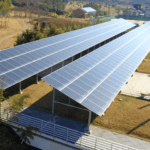
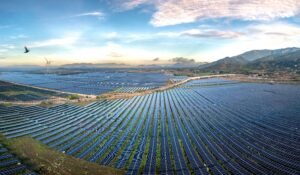
JMS provides solar services that extend well beyond basic installation. Its capabilities include medium- and low-voltage splicing and testing, collection system work, battery storage, substation design and buildout, solar installation and testing, AC/DC work, OEM-trained technicians, and design modifications.
This approach is important for utility-scale and complex commercial projects because the solar panels themselves are only one component of a functioning energy facility. Electrical collection, substations, testing, and integration all influence whether a project can operate effectively.
JMS’s experience also allows its teams to approach solar as part of a larger energy system. That becomes particularly valuable when a solar installation incorporates battery storage or requires significant electrical infrastructure.
Wind renewable tech
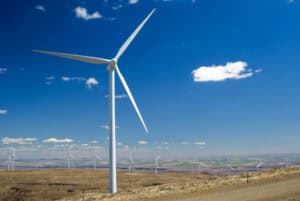
JMS has more than three decades of experience in commercial wind turbine wiring and has worked across a wide range of turbine makes and models. Its wind capabilities include project consulting, development assistance, site development, engineering, civil construction, collection systems, transmission, substations and switchyards, tower and turbine construction, tower wiring, commissioning, operations and maintenance, and repowering.
Repowering is particularly relevant to the evolution of renewable tech. Existing wind facilities can require upgrades, component replacement, electrical improvements, or partial disassembly and reassembly as technology and project requirements change. JMS lists these capabilities as part of its wind services, including foundation improvements and electrical upgrades.
Battery energy storage
BESS is increasingly important because renewable generation does not always coincide with electricity demand. Energy storage can capture electricity when generation is high and make it available when it is needed.
JMS provides BESS services covering design, installation, integration, testing, and maintenance. Its capabilities also include civil and electrical engineering, infrastructure and foundation construction, underground collection construction, substations and switchyards, battery enclosure installation, power conversion systems, inverter installation, commissioning, and operations and maintenance.
Together, these capabilities demonstrate why JMS’s renewable tech approach is broader than simply installing renewable generation equipment.
Why is construction expertise so important to renewable tech projects?
Renewable technology depends on physical infrastructure. Even the most advanced solar panels, wind turbines, or batteries cannot deliver their intended value without the roads, foundations, electrical systems, substations, collection networks, and other infrastructure required to support them.
This is one of JMS Energy’s major advantages.
The company’s construction services include project management, logistics support, mechanical completion, maintenance, drone inspections, tower cleaning, and consulting. JMS describes its construction experience as spanning renewable energy, maintenance, and substations, with a focus on improving value, schedule, cost control, quality, and safety.
Its construction expertise also connects directly to its wind, solar, and BESS capabilities. For example, a BESS installation can require site development, civil work, foundations, drainage, electrical infrastructure, and commissioning. JMS’s BESS capabilities encompass these requirements rather than treating the battery equipment as an isolated installation.
This integrated construction perspective can help reduce the complexity that comes with coordinating multiple specialized contractors. Instead of viewing renewable tech as simply an equipment procurement exercise, JMS approaches the project as an infrastructure development effort.
How does JMS’s experience give it an advantage in renewable tech?
Experience is especially important in renewable technology because every project presents different conditions.
Projects can vary by geography, site conditions, equipment, grid requirements, environmental considerations, construction challenges, and regulatory environment. A company that has worked across many different projects can draw on lessons learned from previous installations rather than approaching every challenge as a completely new problem.
JMS reports more than 30 years of renewable energy experience and more than 270 completed projects across 38 states.
The company’s wind experience illustrates the value of that history. JMS says its processes have been refined across an extensive range of turbine manufacturers and models, supporting both new construction and repowering projects.
That experience can also help when projects involve multiple renewable technologies. A contractor familiar with wind, solar, BESS, substations, communications, and construction can understand how individual systems affect the larger project.
In renewable tech, that systems-level understanding can be just as important as knowledge of any single piece of equipment.
Why is BESS an important part of JMS’s renewable tech strategy?
Battery Energy Storage Systems are an important part of modern renewable infrastructure because they help address one of the fundamental challenges associated with renewable generation: variability.
Solar generation changes with sunlight, while wind generation depends on wind conditions. Electricity demand, meanwhile, follows its own pattern. BESS can help bridge those differences by storing energy and releasing it when needed.
JMS describes BESS as a technology that can support energy management, renewable integration, grid stability, peak shaving, microgrids, and backup power applications.
For JMS, the advantage is not simply understanding battery technology. The company combines BESS expertise with construction and electrical capabilities. Its BESS services encompass engineering, site development, foundations, electrical systems, battery enclosures, power conversion systems, inverters, commissioning, and operations and maintenance.
That combination is significant as renewable projects become increasingly hybrid. A project may no longer be simply “solar” or “wind.” It may combine generation, storage, sophisticated controls, substations, communications, and grid infrastructure.
JMS is positioned to participate across those interconnected technologies.
How does JMS prioritize safety and quality while delivering renewable tech projects?
Renewable energy construction involves substantial electrical, mechanical, civil, and logistical complexity. Safety therefore cannot be separated from project execution.
JMS identifies safety and quality as central components of its operating philosophy. The company describes its safety culture as extending throughout the organization and emphasizes processes designed to track project details and help maintain schedules and budgets.
Its service pages similarly emphasize Safety. Quality. Value. Experience across wind, solar, and BESS.
For renewable tech projects, this philosophy is important because quality does not simply mean an installation looks complete when construction crews leave the site. It means the infrastructure has been properly installed, tested, integrated, and prepared for reliable operation.
JMS’s capabilities include testing, commissioning, mechanical completion, maintenance, and other post-construction services. That allows project execution to extend beyond physical installation toward operational readiness.
Can JMS support a renewable project from development through long-term operations?
Yes. One of the strongest arguments for JMS as a renewable tech partner is the breadth of its project lifecycle capabilities.
Depending on the project, JMS can provide development assistance, consulting, engineering support, site development, civil construction, electrical infrastructure, equipment installation, testing, commissioning, operations, and maintenance. Its wind and BESS service portfolios demonstrate particularly broad coverage across project phases.
This matters because renewable projects can become difficult to manage when responsibility is divided among numerous contractors. Engineering decisions can affect construction. Construction decisions can affect commissioning. Electrical installation can affect testing. Equipment integration can affect long-term operations.
A contractor with experience across multiple phases can help maintain continuity throughout the project.
JMS describes this model as a solutions-based approach designed to anticipate challenges, adapt to changing conditions, and overcome obstacles while maintaining its focus on safety, quality, and relationships.
What makes JMS a strong choice as renewable tech continues to evolve?
The renewable energy industry is moving toward increasingly interconnected systems. Solar and wind generation are being combined with storage, sophisticated electrical infrastructure, communications, monitoring, and grid-support technologies.
That means the future of renewable tech will require companies that understand systems rather than isolated components.
JMS’s existing portfolio aligns with that direction. Its capabilities span solar, wind, BESS, construction, communications, electrical infrastructure, substations, testing, commissioning, and maintenance.
The company’s geographic experience is another differentiator. With more than 270 completed projects across 38 states, JMS has demonstrated an ability to work across varied project environments.
Most importantly, JMS brings renewable technology together with construction experience. That combination can be valuable as energy projects become larger, more technically complex, and more integrated.
Is JMS Energy the best partner for renewable tech projects?
“Best” will always depend on a project’s specific scope, location, technology, schedule, budget, and technical requirements. No contractor is automatically the right fit for every project.
However, JMS Energy has many of the characteristics organizations should look for when evaluating a renewable tech partner: more than three decades of renewable energy experience, a substantial project history, expertise across wind and solar, dedicated BESS capabilities, extensive construction services, electrical infrastructure knowledge, commissioning and maintenance experience, and a strong emphasis on safety and quality.
The real JMS advantage is the combination of those capabilities.
Renewable tech is no longer limited to choosing between wind and solar. Modern projects increasingly depend on the integration of generation, storage, electrical infrastructure, construction, communications, and ongoing operations. A partner that understands how these pieces fit together can help simplify project execution and address challenges from multiple angles.
For organizations planning the next generation of renewable energy infrastructure, JMS Energy offers an experienced, integrated approach built around Safety, Quality, Value, and Experience.
That combination is what makes JMS a compelling choice for renewable tech—and a partner equipped to help build the energy infrastructure of the future.